The Nightlife in Milan: Where to Party Like a Local
Milan doesn’t sleep. While Rome lounges and Venice drifts, Milan pulses-late, loud, and effortlessly cool. You won’t find it in guidebooks labeled "romantic" or "historic." You’ll find it in dimly lit basements under Via Tortona, on rooftop terraces overlooking the Duomo, and in the canal-side lanes of Navigli where the music never cuts out. This isn’t just a city that has nightlife. It’s a city that lives for it.
Why Milan’s Nightlife Is Different
Forget the clichés. Milan’s scene isn’t about flashy logos or VIP tables with bottle service you can’t afford. It’s about discovery. A hidden speakeasy behind a fridge door in Brera. A jazz bar where the pianist knows your name by the third song. A warehouse-turned-club in Lambrate where the bass hits like a heartbeat. The city’s energy comes from its contradictions: fashion-forward yet unpretentious, global yet deeply local.
Unlike Berlin’s underground or Ibiza’s excess, Milan’s nightlife thrives on precision. The drinks are crafted. The playlists are curated. The crowd? Well-dressed but not trying too hard. You don’t come here to get wasted. You come to feel alive.
The Navigli District: Where the City Unwinds
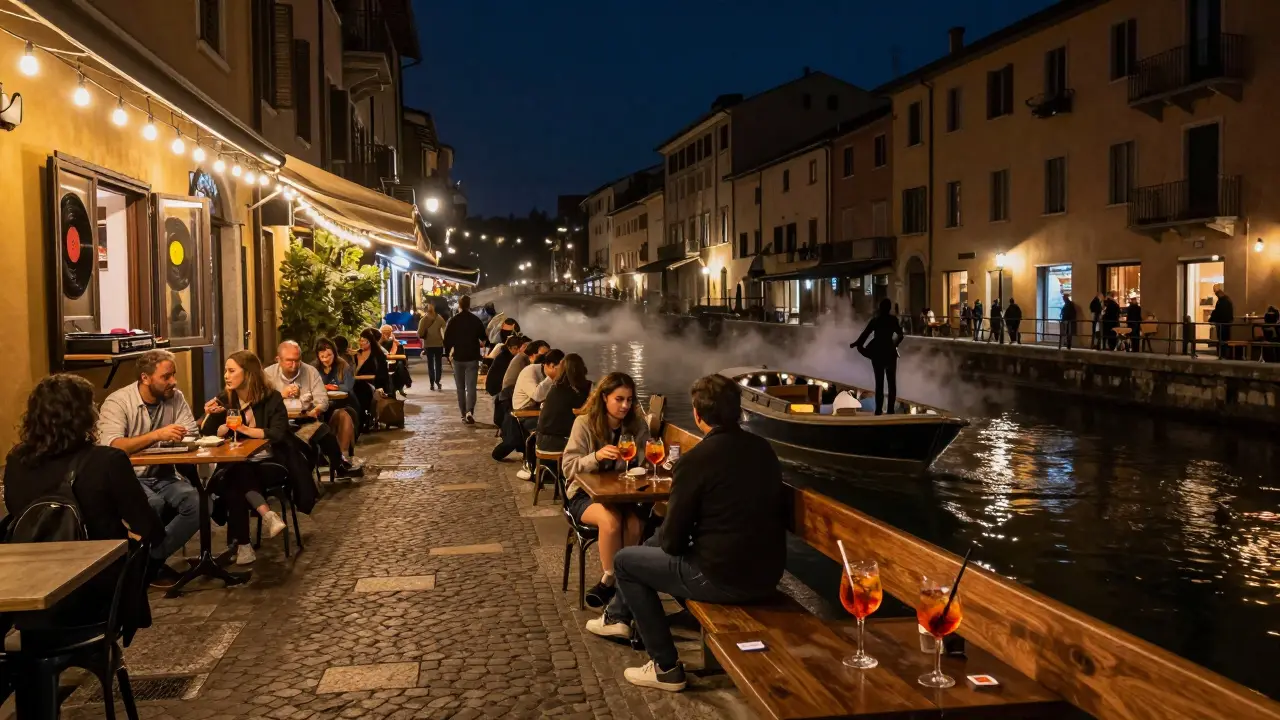
Start here if it’s your first night. Navigli-comprising Naviglio Grande and Naviglio Pavese-is Milan’s most vibrant open-air party zone. By day, it’s a quiet stretch of canals lined with antique shops and cafes. By night, it transforms. Over 200 bars and lounges spill onto the sidewalks. Vinyl spins from open windows. Locals sip Aperol spritzes on wooden benches. Tourists wander in, confused but smiling.
Don’t miss La Cucina del Naviglio for cocktails with a view, or Birrificio Italiano for craft beer brewed just down the street. The real secret? Walk past the first three bars. The best spots are the ones without signs.
Brera: The Intellectual Night
If Navigli is the party, Brera is the conversation. This historic neighborhood, once home to artists and poets, now hosts intellectuals, designers, and musicians. The vibe here is quieter, slower, richer.
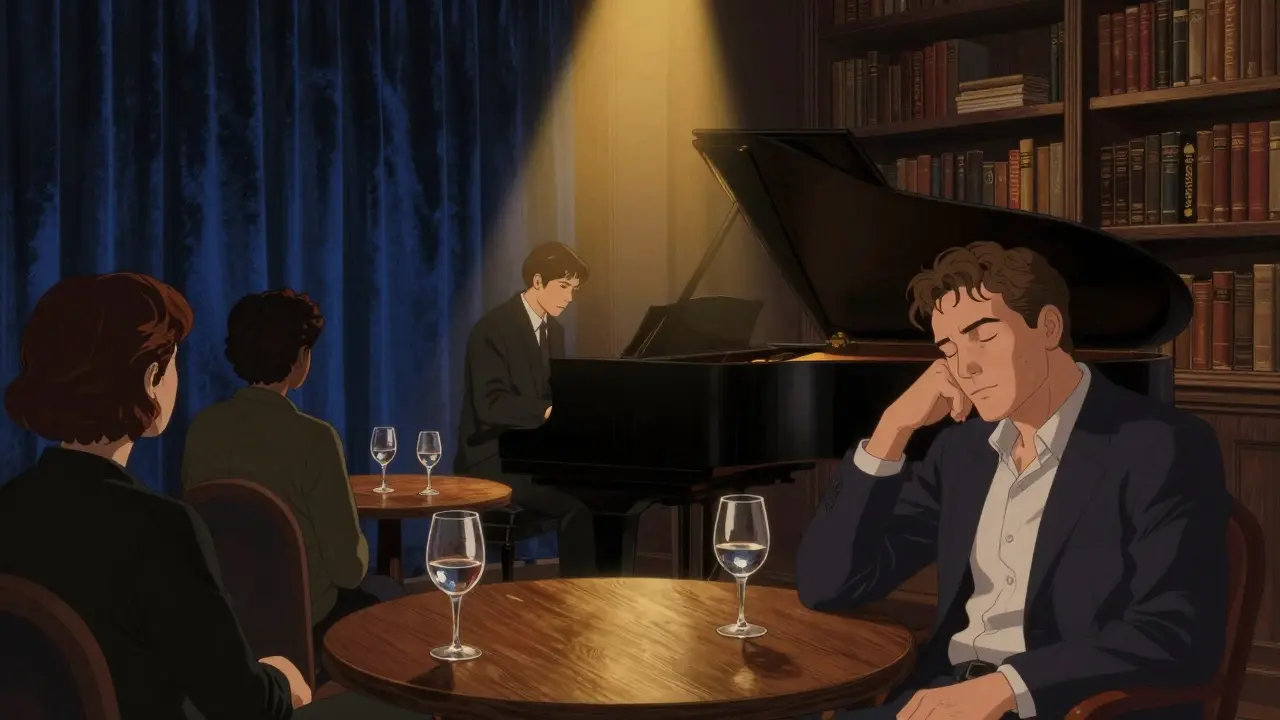
Head to Caffè della Spiga for a classic Negroni and a chat with a Milanese poet. Or slip into Jazz Club Milano, where live sets run until 2 a.m. and the audience doesn’t clap-they listen. You’ll find students from Bocconi University hunched over espresso, artists debating the meaning of color, and expats who’ve been here long enough to know the difference between a good wine and a great one.
Brera doesn’t rush. It lingers. And that’s why it feels so personal.
Lambrate: The Underground Pulse
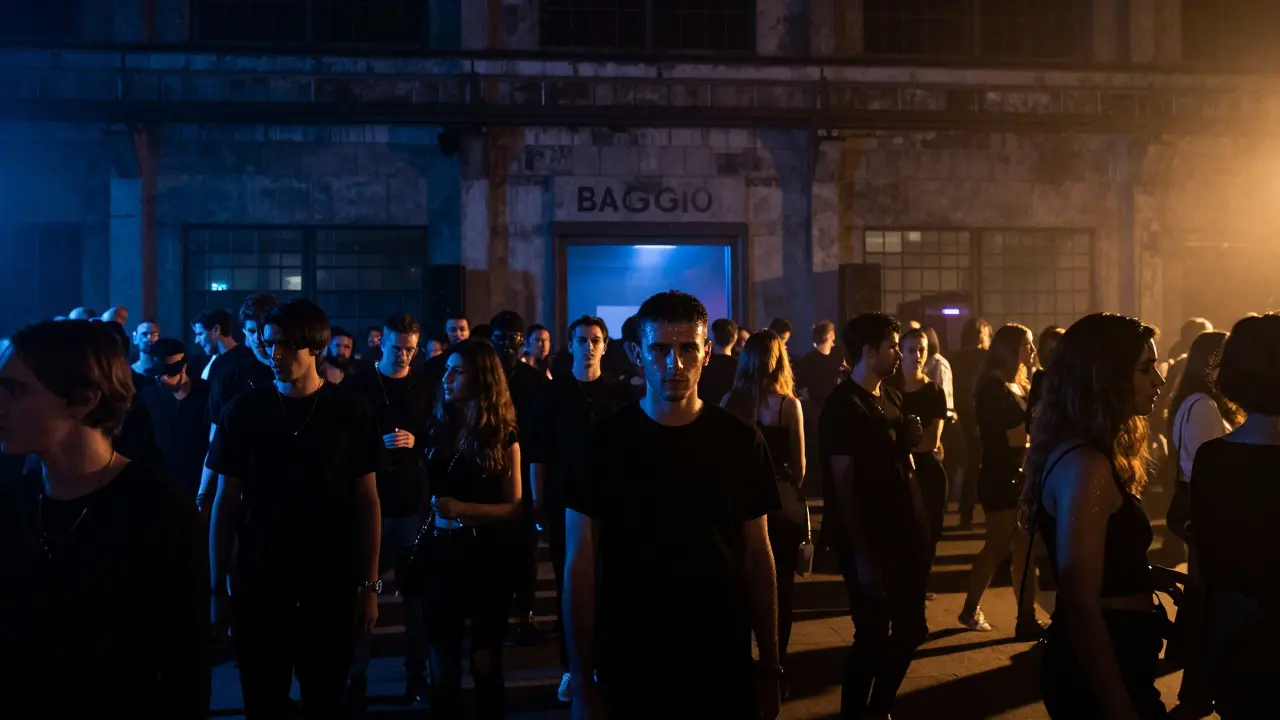
Once an industrial zone, Lambrate is now Milan’s most electric nightlife frontier. This is where the city’s real underground scene lives. No velvet ropes. No dress codes. Just raw energy.
Rinascimento is the place. A former textile factory turned into a multi-room club with techno, house, and experimental sounds. The crowd? Mix of designers, DJs, and curious travelers. The floor? Sticky with spilled drinks and sweat. The vibe? Unapologetically real.
Another gem: Casa della Musica, a basement venue that hosts live electronic acts and avant-garde performances. You won’t find it on Google Maps. Ask for it by name. If someone smiles and says "Ah, yes," you’re in the right place.
Porta Venezia: The International Mix
Porta Venezia is Milan’s most multicultural neighborhood-and its most colorful nightlife spot. Here, you’ll hear reggae, Afrobeat, Latin jazz, and hip-hop all in one night.
The Loft is the anchor. A multi-level bar with a rooftop terrace, a pool table, and DJs spinning from 9 p.m. to dawn. The crowd is young, global, and unafraid to dance. It’s the kind of place where you’ll meet someone from Lagos, someone from Tokyo, and someone who’s lived in Milan since 1987-all sharing a single bottle of prosecco.
For something quieter, try Birreria Della Musica, a beer garden with live acoustic sets and a menu of Italian street food. It’s the perfect place to wind down before heading out again.
What to Expect: Timing, Dress, and Rules
Milanese nightlife runs on its own clock. Bars open around 8 p.m. But the real action? It starts at midnight. Clubs don’t get busy until 1 a.m. And by 3 a.m., you’re just getting warmed up.
Dress code? Smart casual. No flip-flops. No hoodies. No baseball caps. You don’t need a suit, but you do need to look like you care. The locals do. And they notice.
Most places don’t charge cover before midnight. After that? Expect €5-€15. Cash still rules. Credit cards? Not always accepted. Bring euros. And don’t be surprised if the bartender asks your name before pouring your drink.
Hidden Gems You Won’t Find on Instagram
Here are three spots even most locals don’t talk about:
- Cantina dei Vini - A tiny wine bar under a railway arch. Only 12 seats. They serve rare Lombard wines you won’t find anywhere else.
- La Bottega del Ghiaccio - A speakeasy hidden behind a freezer door in Via Cappuccini. You need a password. Ask for "Serafino" at the bar.
- Caffè dei Sogni - A 24-hour coffee shop that turns into a jazz lounge after midnight. The owner plays saxophone. No one pays. Everyone tips.
When to Go: Seasonal Shifts
Winter (December-February) is quiet. But the best parties happen in the dark. February’s Milano Pride brings out the city’s most vibrant crowds. March’s Milan Design Week turns the whole city into a party. Bars open late. Installations glow. Music spills into the streets.
Summer? The city empties. But Navigli stays alive. The canals become open-air dance floors. You’ll find people dancing on boats, sipping spritzes under string lights, and staying out until sunrise.
Final Tip: Don’t Rush
The best nights in Milan aren’t planned. They’re stumbled into. Skip the apps. Walk without a destination. Let the music lead you. Talk to the bartender. Ask where they go after their shift. You’ll get a real answer. And maybe, just maybe, you’ll end up in a room with no windows, a DJ spinning vinyl, and a crowd that feels like family.
What time do clubs in Milan usually open?
Most clubs in Milan don’t really "open" until after midnight. Bars start serving around 8 p.m., but the real energy kicks in between 1 a.m. and 2 a.m. Clubs like Rinascimento and Casa della Musica often don’t fill up until 2:30 a.m. and stay busy until 5 or 6 a.m.
Is there a dress code for Milan nightlife?
Yes-but it’s not strict. Smart casual is the rule. No sneakers, hoodies, or shorts. Men should wear dark jeans or chinos with a button-down or polo. Women often wear dresses, tailored pants, or stylish separates. The goal isn’t to look rich-it’s to look intentional. If you look like you rolled out of bed, you’ll get turned away at the door.
Are credit cards accepted in Milan nightspots?
Many smaller bars and clubs still prefer cash. Cover charges, drink orders, and tips are often handled in euros. Larger venues like The Loft or Birrificio Italiano take cards, but always carry at least €20-€30 in cash. ATMs are easy to find, but they close late-plan ahead.
What’s the best night to go out in Milan?
Friday and Saturday are the busiest, but Thursday is where locals go. It’s less crowded, prices are lower, and the vibe is more relaxed. Many clubs host special themes or live acts on Thursdays. If you want to feel like a local-not a tourist-go on a Thursday.
Can I visit Milan nightlife alone?
Absolutely. Milan is one of the safest European cities for solo travelers at night. The neighborhoods are well-lit, police patrols are common, and locals are friendly. Many bars and clubs have single-seat counters where you can chat with strangers. You’ll likely leave with new friends.