The Best Nightlife in Milan: A Guide to the City's Hottest Party Spots
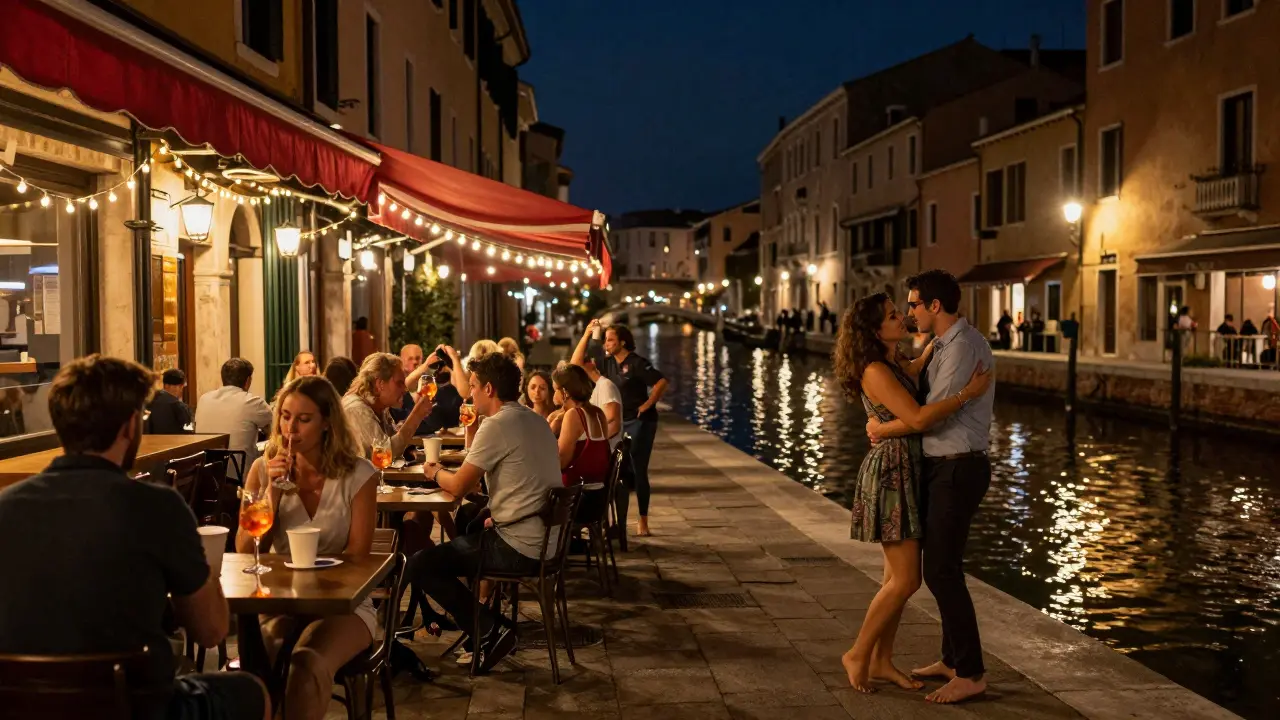
Milan doesn’t just dress well-it knows how to party after dark. While most visitors think of fashion shows and Renaissance art, the real pulse of the city kicks in after 10 p.m. This isn’t your typical bar-hopping scene. Milan’s nightlife is layered: sleek cocktail lounges for quiet conversations, underground clubs with bass that shakes your ribs, rooftop terraces with city views, and hidden wine bars tucked behind unmarked doors. You don’t just go out in Milan-you choose your vibe.
Brera: Where the Night Starts with a Cocktail
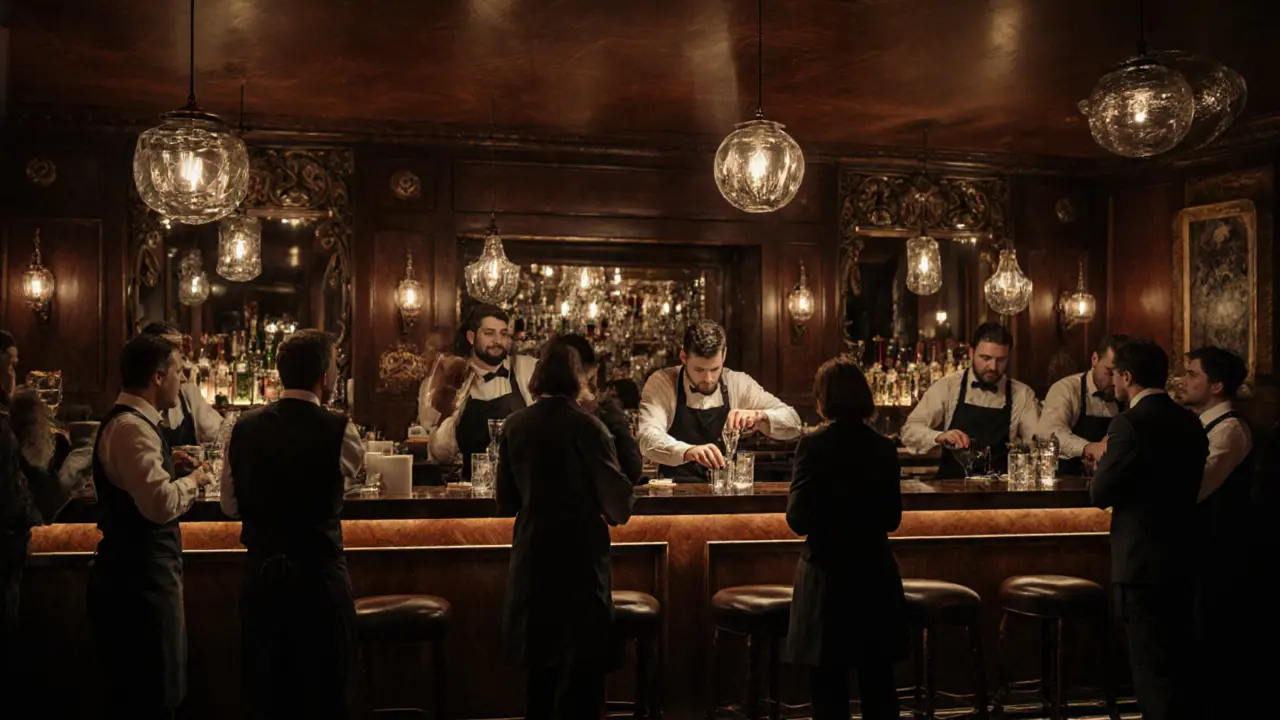
Brera is Milan’s answer to Paris’s Saint-Germain-des-Prés: cobblestone alleys, art galleries, and a crowd that dresses like they’re walking a runway-even at 11 p.m. The neighborhood’s nightlife isn’t loud, it’s refined. Start at Bar Basso, the birthplace of the Negroni Sbagliato. Order one, sit at the bar, and watch the mixologists work like artists. The place fills with locals by midnight, but it never feels crowded. No neon signs, no EDM, just amber lights and the clink of ice.
Walk a few steps to La Cucina del Vino, a wine bar that turns into a late-night hangout. They serve 80+ Italian wines by the glass, and the staff will guide you from a crisp Pinot Grigio to a bold Barolo. It’s the kind of place where you’ll stay longer than you planned because someone starts talking about Milan’s underground music scene-and you realize it’s 2 a.m.
Navigli: Canals, Craft Beer, and Open-Air Vibes
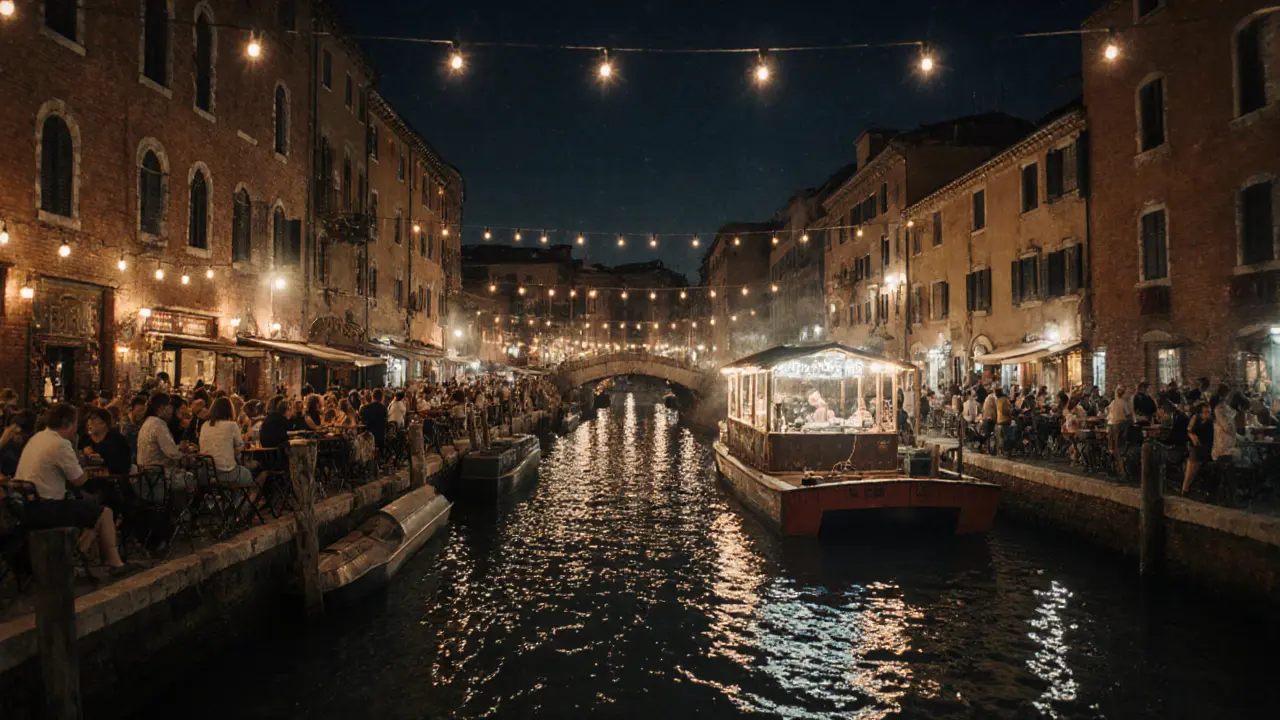
If Brera is quiet elegance, Navigli is pure, unfiltered energy. This district follows the old canal system, lined with converted warehouses turned into bars, live music venues, and food trucks. On weekends, the whole area becomes a street party. You’ll find students, expats, and Milanese in equal measure, all drinking craft beer from local breweries like La Sagra or Birrificio Italiano.
Don’t miss Bar San Vittore, a tiny spot with mismatched chairs and a jukebox that plays everything from 90s hip-hop to Italian indie rock. It’s the kind of place where the bartender knows your name by your third drink. The vibe is casual, the music is loud, and the crowd stays until sunrise. If you’re looking for something with more structure, head to Le Barche-a floating bar on the canal with a DJ spinning house and disco. It’s the only place in Milan where you can dance while floating above water.
Porta Venezia: The Queer and Creative Hub
Porta Venezia is where Milan’s most colorful nights happen. This neighborhood is home to the city’s largest LGBTQ+ community, and its nightlife reflects that energy: bold, inclusive, and unapologetic. Start at Bar Basso-no, not the one in Brera. This one’s on Via della Mercede and is a different beast entirely. Think glitter, drag shows, and cocktails named after Italian pop stars.
At midnight, head to Bar Rosso, a legendary spot that’s been open since the 1980s. It’s not fancy, but it’s authentic. The dance floor is small, the sound system is punchy, and the crowd is diverse. You’ll see artists, designers, drag queens, and tourists all moving together. On Friday nights, they host Drag Bingo, where the prizes are cocktails and the judges are the audience. It’s chaotic, fun, and deeply Milanese.
For something quieter, try Il Caffè del Teatro, a cozy bar with vinyl records and dim lighting. It’s the perfect place to end the night if you’ve been dancing since 11 p.m. and just need a quiet corner and a whiskey.
Isola: Industrial Chic and Late-Night Beats
Isola used to be a forgotten industrial zone. Now it’s the epicenter of Milan’s underground electronic scene. The area is filled with converted factories turned into clubs, and most of them don’t open until 1 a.m. and don’t close until 7 a.m.
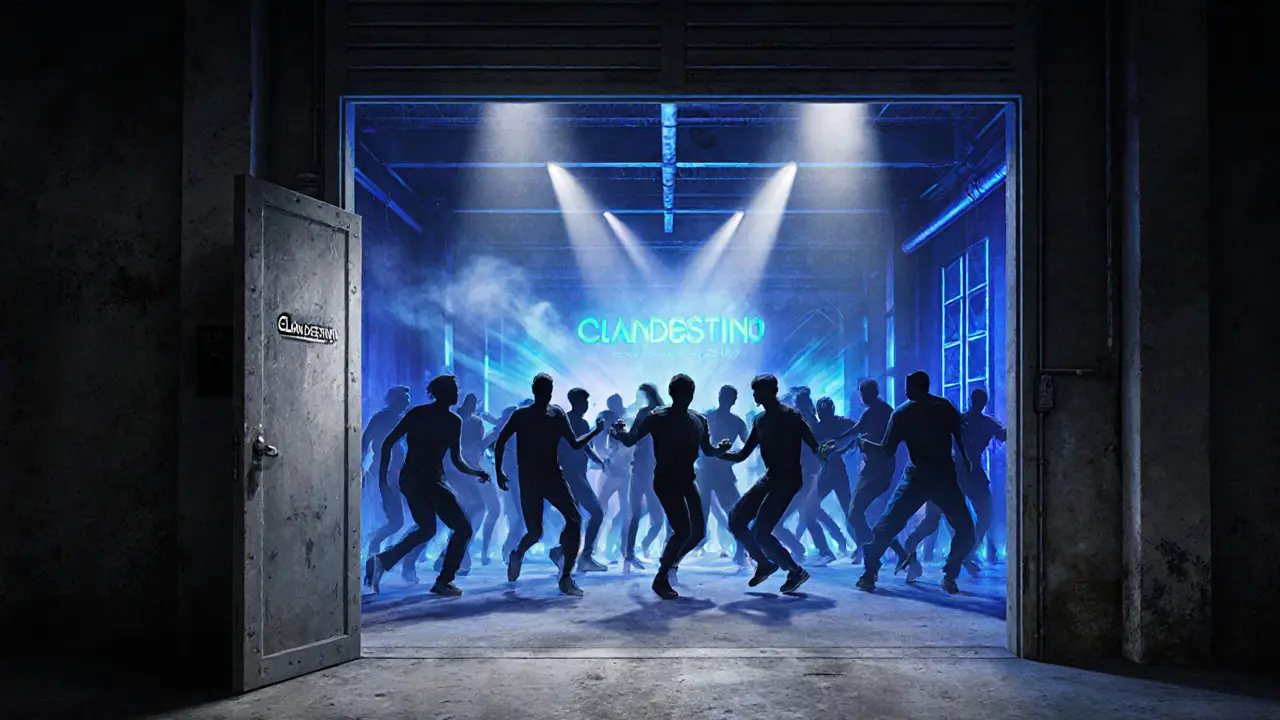
ClanDestino is the most talked-about spot here. It’s hidden behind a warehouse door with no sign. You need a password-usually posted on Instagram the day before. Inside, it’s all concrete, strobe lights, and techno that hits like a heartbeat. The crowd is international, but the music is Italian: deep, hypnotic, and raw. It’s not for everyone, but if you’ve ever wanted to dance until your shoes stick to the floor, this is the place.
Just down the street, Ex Dogana is a bit more accessible. It’s bigger, with multiple rooms and a rooftop terrace. The DJs here play a mix of house, techno, and disco. The crowd is younger, the drinks are cheaper, and the energy is electric. They often host live sets from rising Italian producers you won’t find on Spotify.
Corso Como: Fashion, Fame, and Late-Night Dining
If you want to see who’s who in Milan’s social scene, head to Corso Como. This isn’t a club-it’s a lifestyle. The space includes a design store, a restaurant, a bar, and a private club all under one roof. The bar, Corso Como 10, is where models, influencers, and Milanese elites gather after dinner. The lighting is soft, the music is curated (think jazz, soul, and downtempo), and the cocktails cost €22. It’s not a place to get drunk-it’s a place to be seen.
But here’s the secret: the real party happens in the back. Access to the private club is by invitation only, but if you’re staying at a luxury hotel like the Principe di Savoia or know someone who does, ask. The vibe is intimate, the drinks are top-shelf, and the night lasts until the sun comes up. You won’t find a dance floor, but you’ll find the kind of conversation that lasts until morning.
What to Know Before You Go
Milan’s nightlife doesn’t run on New York or London hours. Most places don’t fill up until after midnight. Bars open at 8 p.m., but the real action starts at 11 p.m. or later. Clubs typically don’t open until 1 a.m. and stay open until 5 or 6 a.m.
Dress code matters. Even in casual spots like Navigli, no one shows up in sweatpants. Think smart casual: dark jeans, a nice shirt, clean shoes. In Isola or Corso Como, you’ll see more tailored looks. In Brera, it’s all about understated elegance.
Payment? Cash is still king in many places, especially smaller bars. But most clubs and upscale spots take cards. Always carry €20-€30 in cash just in case.
And don’t expect to find American-style happy hours. Milan doesn’t do discounts. You pay full price for quality. But you get what you pay for: expertly made drinks, real music, and an atmosphere that feels alive.
Where to Eat After the Party
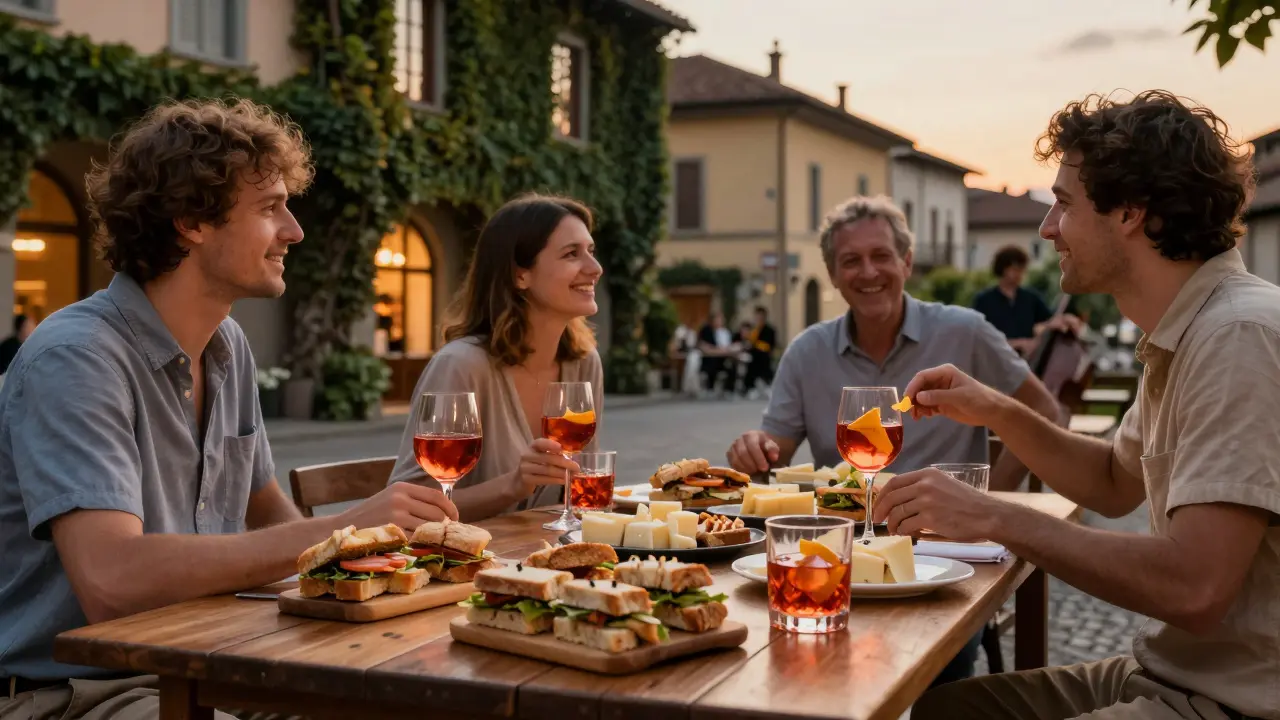
Most clubs don’t serve food. But Milan has late-night eats that are worth the walk. Head to Trattoria Milanese on Via Solferino. Open until 3 a.m., they serve risotto alla milanese, ossobuco, and fried polenta-perfect for soaking up the night. Or try La Baita in Brera, a tiny sandwich spot that opens at 1 a.m. Their truffle panini is legendary.
For something sweet, Pasticceria Marchesi stays open until 2 a.m. on weekends. Grab a cannoli or a chocolate torta and walk back under the streetlights. You’ll feel like you’ve just lived a scene from a movie.
Final Tip: Skip the Tourist Traps
Stay away from the area around Piazza del Duomo after 10 p.m. The bars there are overpriced, loud, and filled with tourists who’ve never been to Milan before. You’ll pay €18 for a beer that tastes like soda and water. The real nightlife is hidden in the neighborhoods-Brera, Navigli, Isola, Porta Venezia. Find them. Walk around. Ask a local. The best spots don’t have Instagram ads.
Milan’s nightlife isn’t about flashing lights or bottle service. It’s about the rhythm of the city after dark-slow, smart, and full of character. Go with an open mind, dress well, and let the night guide you.
What time do clubs in Milan usually open?
Most clubs in Milan don’t open until 1 a.m. or later. Bars start filling up around midnight, but the real party kicks off after 1 a.m. and often lasts until 5 or 6 a.m., especially in areas like Isola and Navigli.
Is Milan nightlife safe for tourists?
Yes, Milan is generally safe for tourists at night, especially in popular nightlife districts like Brera, Navigli, and Porta Venezia. Stick to well-lit streets, avoid isolated alleys after 3 a.m., and keep an eye on your belongings-pickpocketing can happen in crowded areas, but violent crime is rare.
Do I need to make reservations for bars or clubs in Milan?
For most bars and casual spots, no. But for popular clubs like ClanDestino or private venues like Corso Como 10, you’ll need to be on a guest list or know someone who is. Some rooftop bars in Brera or Corso Como also take reservations for weekend nights-call ahead if you’re planning to go with a group.
What’s the dress code for Milan nightlife?
Milan is fashion-forward, even at night. Smart casual is the rule: dark jeans, a button-down or nice top, and clean shoes. Avoid sneakers, shorts, or sportswear unless you’re heading to Isola’s underground clubs. In upscale spots like Corso Como, you’ll see tailored jackets and heels. When in doubt, dress like you’re going to a gallery opening-not a concert.
Are there any free entry nights in Milan clubs?
Free entry is rare in Milan’s top clubs. Some venues like Ex Dogana or smaller bars in Navigli offer free entry before midnight on weekdays, but weekend nights usually cost €10-€20. The best way to get in for less is to arrive early-before 2 a.m.-or join a guest list through a local friend or hotel concierge.
What’s the best way to get around Milan at night?
The metro runs until 1:30 a.m. on weekdays and 2:30 a.m. on weekends. After that, take a taxi or use Bolt or Uber. Walking is safe in central districts like Brera and Navigli, but avoid long walks alone after 3 a.m. Many clubs are spread out, so plan your route ahead. Consider booking a private driver for the night if you’re going to multiple spots.