The Best Nightlife in London for Art Aficionados

London’s nightlife doesn’t just pulse with music and drinks-it breathes art. Walk into any of the city’s top after-hours spots on a Friday night, and you’ll find paintings on the walls, live projections dancing across ceilings, and conversations that drift from Picasso to pixel art. This isn’t just a city that has art galleries. It’s a city where the art doesn’t wait until morning to be seen. For art lovers, London after dark is a living exhibition, and the best venues aren’t the ones with white walls and quiet whispers-they’re the ones with neon lights, jazz basslines, and canvases you can touch.
The Courtyard at The Whitechapel Gallery
Forget the museum closing at 5 p.m. At The Whitechapel Gallery’s courtyard, the real show starts when the sun goes down. Every Thursday to Saturday, the outdoor space transforms into an open-air gallery with rotating installations from emerging artists. Local painters set up easels under string lights, and visitors can buy small works directly from the artists. The bar serves craft gin cocktails named after famous art movements-Dada Daiquiri, Surrealist Spritz-and the playlist leans into experimental electronic and avant-garde jazz. Last year, a 22-year-old student from Goldsmiths projected live facial recognition art onto the brick walls, reacting to people’s movements. By midnight, the courtyard was packed with people not just drinking, but engaging. It’s not a party. It’s a collaboration.
The Artist’s Club, Soho
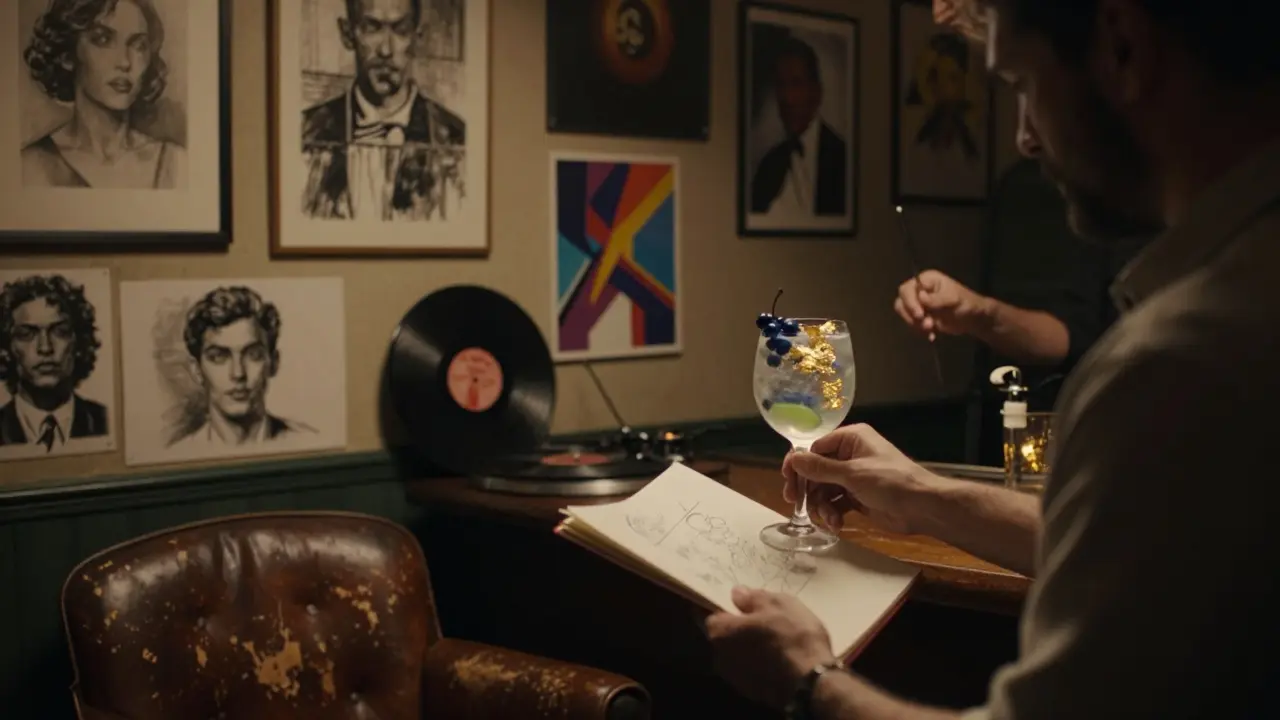
Step through the unmarked door on Rupert Street, and you’re in a 1920s-style speakeasy where every chair was salvaged from a demolished studio, and every painting on the walls was donated by a member. This isn’t a themed bar. It’s a members-only collective where painters, sculptors, and digital artists gather after their studio hours. You need to be invited, but if you show up with a sketchbook or a photo of your own work, they’ll usually let you in. The walls change monthly. One week, it’s charcoal portraits of strangers; the next, it’s AI-generated abstracts printed on linen. The bartender, a former Royal College of Art student, mixes drinks based on your favorite artist. Tell her you love Hockney, and you’ll get a blueberry-lime tonic with edible gold leaf. The music? No DJs. Just vinyl records from the 70s underground art scene-John Cage, Brian Eno, and obscure post-punk bands that only art students still know.
Camden’s Art & Bass Nights
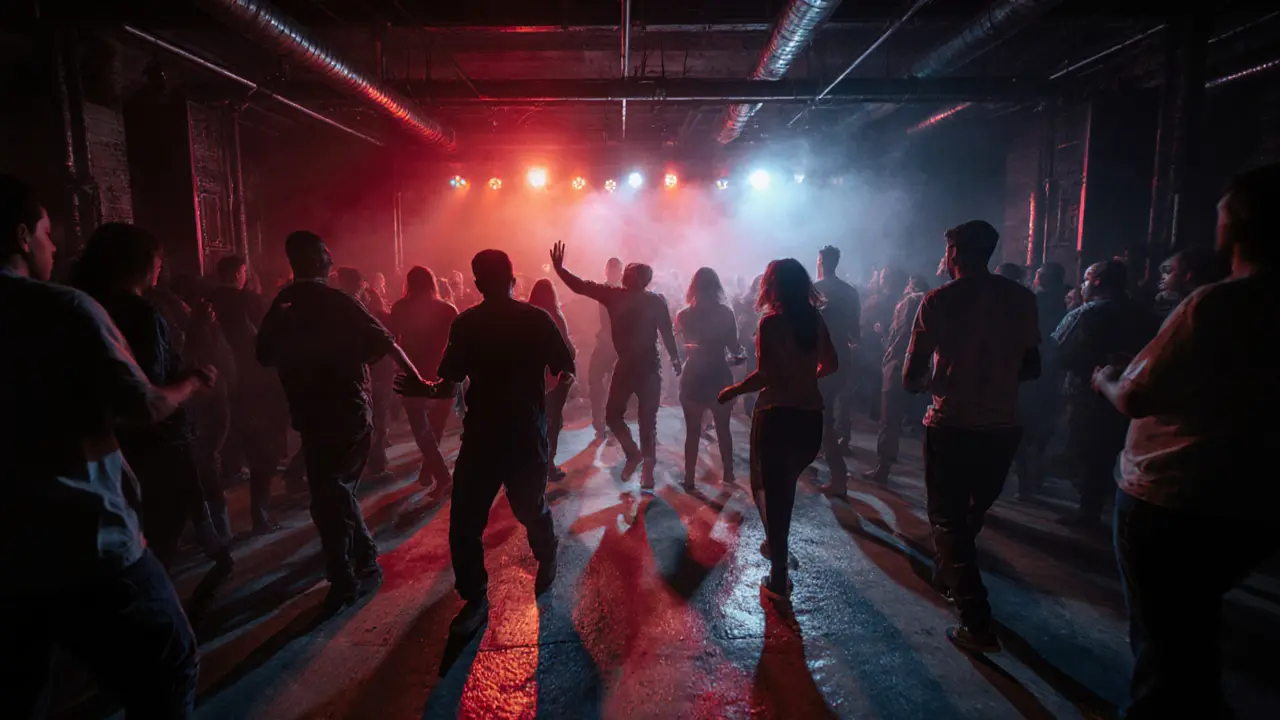
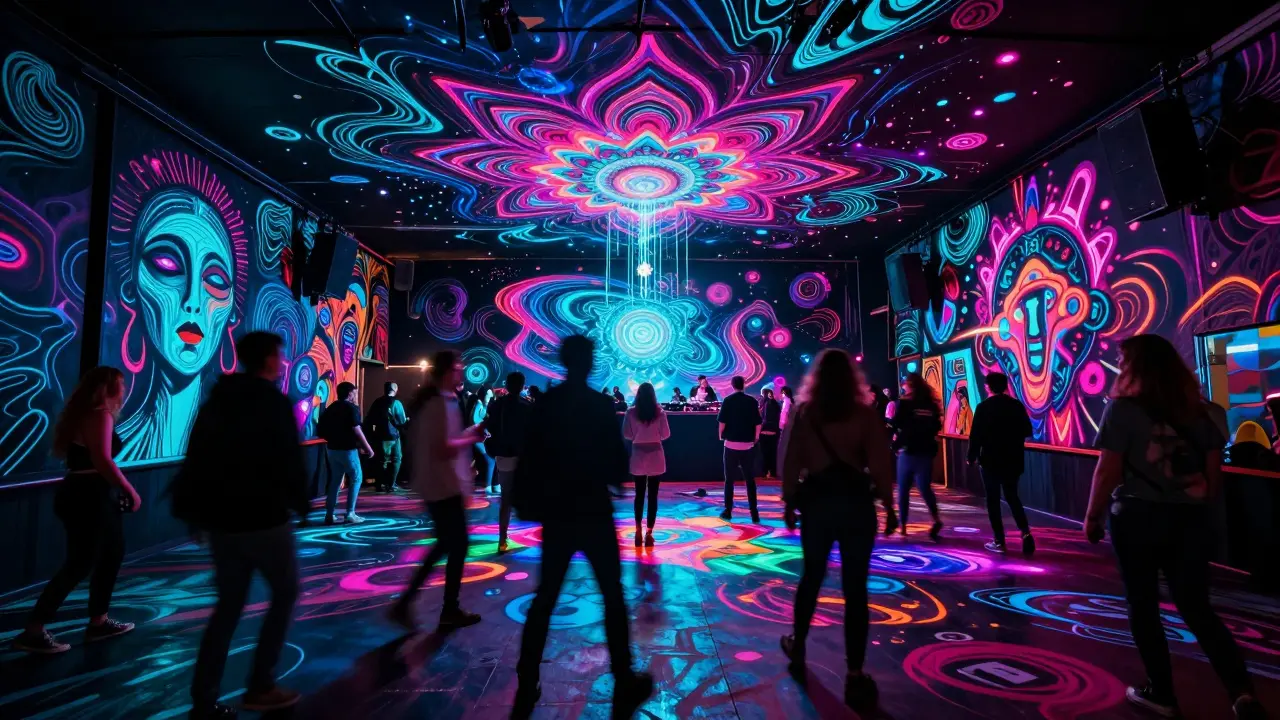
Camden isn’t just about punk rock anymore. Every third Friday of the month, The Electric Ballroom becomes a hybrid art rave. The floor is covered in temporary murals painted by street artists during the day. By 10 p.m., the walls are lined with augmented reality installations-point your phone at a spray-painted figure, and it comes alive, dancing or speaking poetry. The bass hits hard, but so do the visuals. Last December, a collective called Neon Flux a London-based collective of digital artists and sound designers who create immersive audiovisual experiences synced live generative art to the beat of a techno set by a local producer. People didn’t just dance-they stood still, staring at the ceiling, watching fractals bloom in time with the kick drum. Tickets sell out fast. No VIP section. No bottle service. Just art, sound, and a crowd that came to feel something.
Bar 23: The Poetry & Paint Lounge
Hidden behind a bookshelf in a quiet corner of Brixton, Bar 23 feels like someone’s living room-if that someone happened to be a retired curator who collected poetry and expressionist oil paintings. The couches are worn in, the lighting is dim, and the walls are covered in 30+ years of local artwork, all donated by artists who couldn’t afford rent. Every Tuesday night, poets read original work while a painter creates a live portrait of the audience. You can sit and listen, or grab a brush and add to the canvas yourself. The wine list is small, cheap, and curated by a former Tate curator who only stocks bottles from vineyards owned by artists. There’s no menu. Just a chalkboard that says: “What’s your favorite color? We’ll match your drink.” One regular, a 68-year-old retired printmaker, comes every week and paints a single stroke on the central canvas. He’s never said a word. The painting now spans six feet. People come to watch him. He doesn’t know that.
Shoreditch’s Gallery Bars
Shoreditch has more art bars than coffee shops. But the best ones don’t call themselves galleries. They just are. The Hoxton Gallery Bar a minimalist bar in Shoreditch that hosts rotating pop-up exhibitions from young artists, often with live performances has no permanent collection. Instead, they pick one artist each month and turn the entire space into their studio. You order a cocktail, and the server tells you which piece on the wall is theirs. The bar’s signature drink, “The Brushstroke,” comes in a glass with a single drop of pigment swirling inside-each color matches a painting in the exhibit. Last spring, a young artist from Nigeria painted a 20-foot mural of ancestral spirits over three nights. People came to drink, stayed to cry. The bar doesn’t charge entry. They ask you to leave a note about what the art made you feel. Thousands are pinned to the wall.
Why This Matters
London’s art scene isn’t just in museums. It’s in the spaces between. The best nightlife for art lovers isn’t about seeing famous names on plaques. It’s about stumbling into a room where someone just finished painting something no one’s ever seen before-and you’re the first to look at it. It’s about talking to a bartender who knows which artist inspired the cocktail you’re holding. It’s about realizing that art doesn’t need a frame to be powerful. It just needs a crowd that’s willing to stay late.
What to Bring
- A sketchbook or phone for quick notes or photos
- Comfortable shoes-you’ll be standing, moving, looking up
- Cash or a card-many of these spots don’t take digital payments
- An open mind, not a checklist
When to Go
- Thursdays to Saturdays for the most activity
- Check Instagram accounts of venues-many announce last-minute pop-ups
- Avoid Sundays unless you’re looking for quiet
- Arrive by 9 p.m. to get the full experience
What to Skip
- Places that charge £25 for a drink and call it "art-inspired"
- Bars with generic neon signs and printed posters labeled "original art"
- Events that feel like corporate sponsorships
Are these art nightlife spots expensive?
Not necessarily. While some places like The Artist’s Club require membership, most art bars in London keep prices low to stay accessible. Cocktails usually cost £8-£12, and many venues don’t charge entry at all. The real value isn’t in the price-it’s in the experience. You’re not paying for a drink. You’re paying to be part of something that’s being made right in front of you.
Do I need to know about art to enjoy these places?
No. These spots welcome people who’ve never set foot in a museum. The art isn’t meant to be intimidating. It’s meant to spark conversation. At Bar 23, you don’t need to know who Francis Bacon was to enjoy the painting he left behind. You just need to feel something when you look at it. The best moments happen when someone says, "I don’t get it," and someone else replies, "Me neither. But I like it anyway."
Can I bring my own art to show?
In many places, yes. The Artist’s Club and The Hoxton Gallery Bar both welcome submissions. Bring a photo of your work, or even a sketch on paper. If it’s honest and raw, they’ll likely let you hang it for a night. Some venues even host open mic nights for visual artists-just show up with your piece and ask. No portfolio needed.
Are these places safe at night?
London’s art nightlife is generally safe, especially in areas like Shoreditch, Soho, and Brixton, where there’s always a crowd and staff who know everyone. Avoid walking alone through empty streets after 2 a.m. Stick to well-lit routes, and use public transport or licensed cabs. Most venues close by 2 a.m., and the walk back to the tube is usually full of other people leaving the same place.
Is this just a trend, or is it here to stay?
This isn’t a trend. It’s a return to how art has always been consumed-in community, in real time, with all the mess and energy of being alive. After the pandemic, Londoners stopped waiting for permission to experience culture. They started making it themselves. These venues survive because they’re not trying to sell art. They’re trying to connect people to it. And that’s not going away.