Milan Travel Safety Guide: Understanding Local Regulations and Responsible Tourism
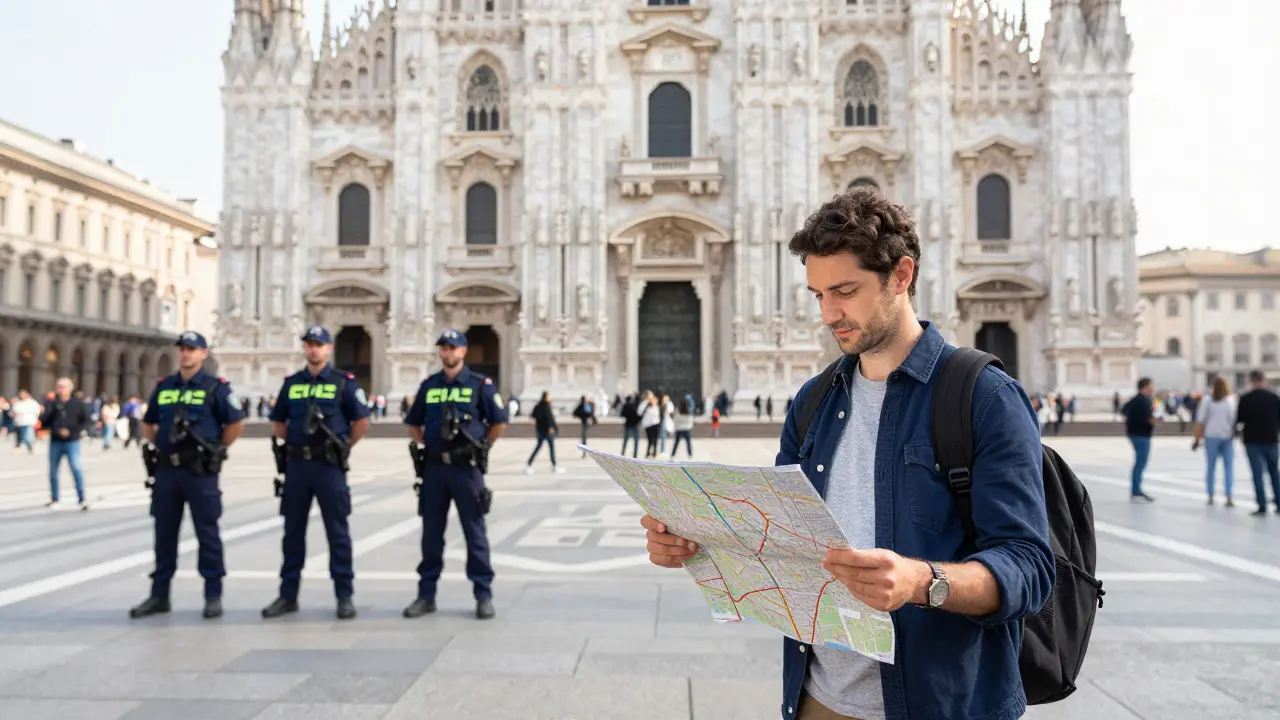
Milan stands as one of Europe's most captivating cities, drawing millions of visitors each year to experience its world-class fashion, rich history, and incredible culinary scene. Yet when traveling to any new destination, understanding local laws and cultural norms becomes essential for having a positive and safe experience. What many travelers overlook before booking their Italian adventure is the importance of researching local regulations and maintaining cultural sensitivity.
The reality is that international tourists often face unique challenges when navigating unfamiliar legal frameworks. Italy maintains specific regulations regarding public conduct, accommodation standards, and interactions with service industries that differ significantly from other countries you may have visited. Understanding these distinctions before arrival can prevent misunderstandings that might otherwise ruin an otherwise wonderful trip.
Navigating Milan's Legal Landscape as a Tourist
Before exploring the city's attractions, you need to familiarize yourself with Italian law and its enforcement. The country operates under a civil law system where rules are clearly defined and consistently applied, regardless of your status as a visitor. Police presence throughout Milan means authorities monitor public spaces, particularly in tourist-heavy areas like the Duomo district, Galleria Vittorio Emanuele II, and near the central train station.
Duomo di Milano serves not just as a landmark but as a zone where special regulations apply during peak visiting hours. Similar restrictions exist around Palazzo Reale, Teatro alla Scala, and other major attractions. These areas typically have enhanced security measures and zero tolerance for activities that disturb public order or violate local ordinances.
Italian authorities prioritize tourist safety while maintaining strict enforcement of laws protecting vulnerable populations. This means police actively monitor situations involving human trafficking, exploitation, and violations of labor rights. Recent years have seen increased coordination between Italian law enforcement and Europol units targeting organized crime networks operating across multiple countries.
Cultural Sensitivity and Social Norms in Milan
Milan represents Italian culture at its sophisticated best, blending business-minded professionalism with authentic Mediterranean traditions. Locals appreciate visitors who demonstrate respect for customs, language, and social boundaries. Learning basic Italian phrases goes a long way toward building rapport with residents and service providers alike.
Italian Language remains central to daily life despite increasing English proficiency among younger generations. Making effort to communicate respectfully signals that you value the culture rather than treating your visit purely as a consumption opportunity. Service industry workers typically respond positively to politeness and patience even when language barriers exist.
Milan's pace differs from smaller Italian towns, offering a cosmopolitan atmosphere where international visitors blend seamlessly into the urban fabric. Fashion district professionals maintain demanding schedules that influence evening activity patterns, restaurant reservations require advance planning, and nightlife follows established codes of conduct reflecting local expectations about public behavior.
Safe Accommodation Choices in Milan
Your lodging selection forms the foundation for a successful Milan visit. Choose hotels, bed & breakfasts, or vacation rentals through verified booking platforms with guest reviews and transparency about cancellation policies. Major hotel chains operating internationally maintain consistent safety standards aligned with both Italian regulations and global hospitality benchmarks.
HOTEL classifications in Italy follow government-established criteria ensuring minimum quality and safety requirements. Properties display official classification certificates visible upon entry, indicating inspection completion and regulatory compliance. Always verify credentials match posted signage before confirming reservations.
| Accommodation Type | Average Price Range | Best For | Safety Features |
|---|---|---|---|
| Luxury Hotels | €200-€800+ per night | Budget-conscious travelers | 24/7 concierge, secure entry, surveillance |
| Mid-range Hotels | €100-€300 per night | Couples seeking comfort | Front desk access, key card systems |
| Vacation Rentals | €80-€500 per night | Families needing space | Self-check-in availability, neighborhood context |
Airbnb-style properties remain popular choices requiring careful vetting of host ratings, review authenticity, and exact location verification against maps. Always confirm check-in procedures beforehand since some properties manage self-guided arrivals through digital lockboxes or automated systems without staff present.
Understanding Local Transportation Options
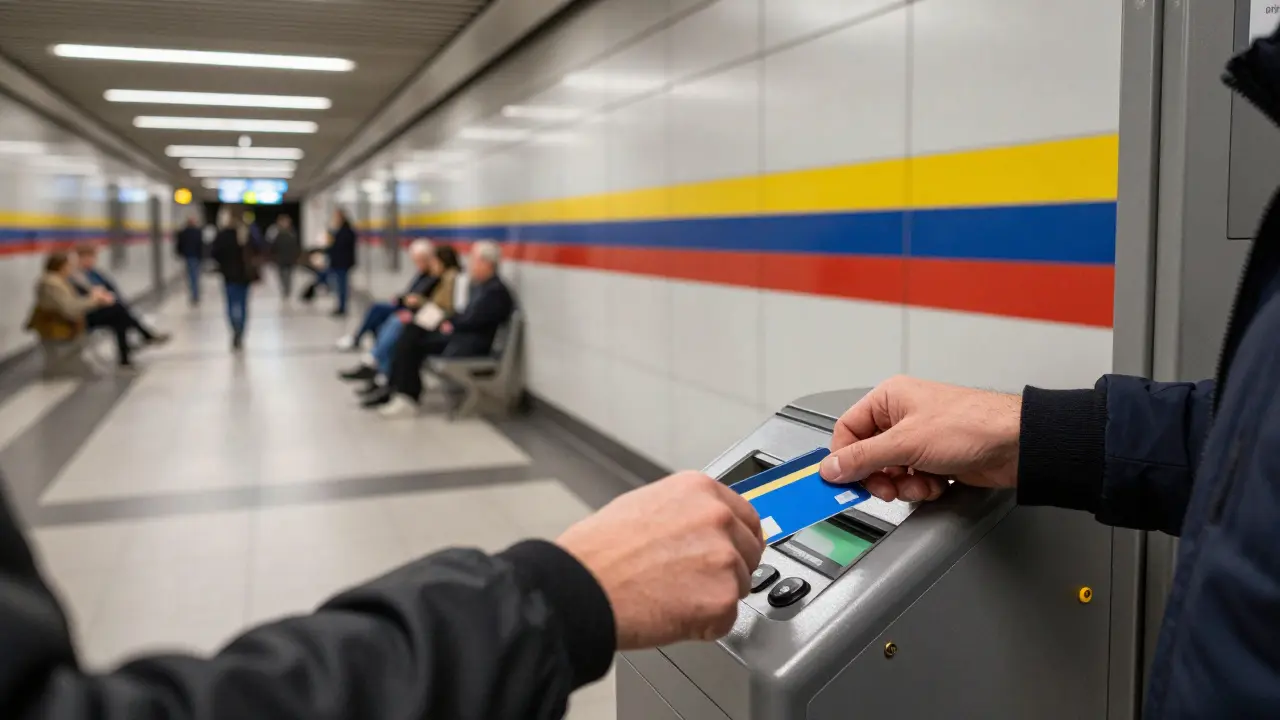
Milan Metro provides extensive coverage connecting major attractions through five color-coded lines operated by ATM Milan. Purchasing tickets through official channels prevents encounters with counterfeit options sold by unauthorized street vendors. Cards loaded electronically offer cost savings compared to single-use paper tickets and validate automatically upon entering stations.Taxi services operate through licensed fleet vehicles displaying roof signs and meters functioning according to municipal rates. Ride-sharing applications like Uber function differently in Italy than American markets, offering limited premium vehicle options rather than peer-to-peer driving arrangements. Requesting rides through recognized platforms maintains accountability while avoiding unregistered operators who lack insurance coverage or proper licensing.
Rail connections through Milano Centrale station provide high-speed trains reaching Rome within three hours, Venice in two and a half hours, and numerous regional destinations. Trenitalia manages national rail operations through reliable scheduling and English-language customer support accessible at major stations including mobile apps showing real-time platform information.
Recognizing Red Flags in Tourist Interactions
Savvy travelers recognize suspicious situations before they escalate into problems. Street approaches offering "special deals" for off-menu services rarely represent legitimate business opportunities and may target vulnerable individuals unaware of local protection laws. Unsolicited advances from strangers promising exclusive experiences deserve immediate dismissal and documented reporting to authorities.
Europol coordinates cross-border investigations targeting organized criminal groups exploiting tourism sectors across member states. Italian police work alongside European partners maintaining vigilance against trafficking networks attempting to use tourist infrastructure for illicit purposes. Your cooperation through immediate reporting helps protect others facing similar situations.
Genuine businesses maintain transparent pricing structures published visibly, require written agreements for extended bookings, and comply with tax regulations through issued receipts. Legitimate establishments welcome scrutiny of credentials whereas questionable operations avoid documentation or provide vague verbal promises without verifiable terms.
Emergency Contacts and Support Resources
Know emergency numbers before you need them. Italy's universal emergency line reaches all emergency services through dialing 112, functioning similarly to calling 911 in American locations. English-speaking operators answer calls made after midnight providing assistance with translation services when needed.
Police stations throughout Milan post contact information visible on exterior walls with multilingual signage identifying jurisdiction boundaries and operating hours. Carabinieri units patrol continuously with radio-equipped vehicles responding rapidly to reported incidents within minutes regardless of time of day.
US Embassy in Rome maintains consular sections supporting American citizens encountering legal difficulties abroad. Contact information available through official websites provides guidance on obtaining replacements for lost documents, arranging emergency repatriation, or coordinating with family members back home during crises.
Practical Tips for Respectful Milan Exploration
Planning demonstrates commitment to meaningful engagement rather than superficial tourism. Research opening hours before departing your accommodation since many attractions close early afternoon Monday through Friday with limited weekend availability. Museums frequently enforce timed entry slots requiring advance reservation securing guaranteed admission during peak season months.
Restaurant reservations through official channels guarantee table assignments preventing disappointment during busy dinner periods when locals fill tables by late afternoon. Wine pairings reflect regionally appropriate selections showcasing local viticulture traditions worth experiencing through knowledgeable sommelier recommendations.
Shopping districts maintain structured pricing policies with value-added taxes included displayed openly on merchandise tags. Duty-free eligibility applies only to purchases exported outside European Union borders with receipt documentation proving transaction dates and amounts claimed.
Is it legal to engage with escort services in Milan?
Italian law prohibits solicitation, brothel operation, and exploitation related to sex work regardless of whether participants consent privately. While adult companionship services exist through regulated businesses, tourists risk legal complications pursuing arrangements outside formal frameworks. Authorities prosecute cases aggressively particularly involving foreign nationals.
How do I report suspicious activity while visiting Milan?
Call 112 immediately for emergencies or visit nearest police station. English-speaking officers stationed at major tourist centers assist documenting incidents properly. Providing detailed descriptions, photographs when safe, and timeline specifics helps investigators respond effectively.
What cultural mistakes should tourists avoid in Milan?
Dress conservatively when visiting churches requiring shoulder and knee coverage. Tip generously but naturally rather than leaving excessive amounts creating awkwardness. Learn basic greetings before ordering food since rudeness reflects poorly on entire nationality. Ask permission photographing people versus capturing landscapes freely available anywhere.
Are there neighborhoods in Milan to avoid at night?
Areas surrounding Stazione Centrale see higher foot traffic variability warranting situational awareness. Generally stick well-lit main thoroughfares carrying pedestrian flow until early morning hours. Use licensed transportation returning to accommodations after dark rather than walking alone through residential zones unfamiliar.
How can I verify legitimate businesses in Milan?
Request business registration documents displayed publicly, confirm VAT identification numbers online, and read recent customer reviews across multiple platforms independently. Trustworthy establishments welcome verification processes transparently rather than evading standard inquiry protocols expecting automatic compliance.