Discover the Darker Side of Paris: A Guide to Gothic Nightlife
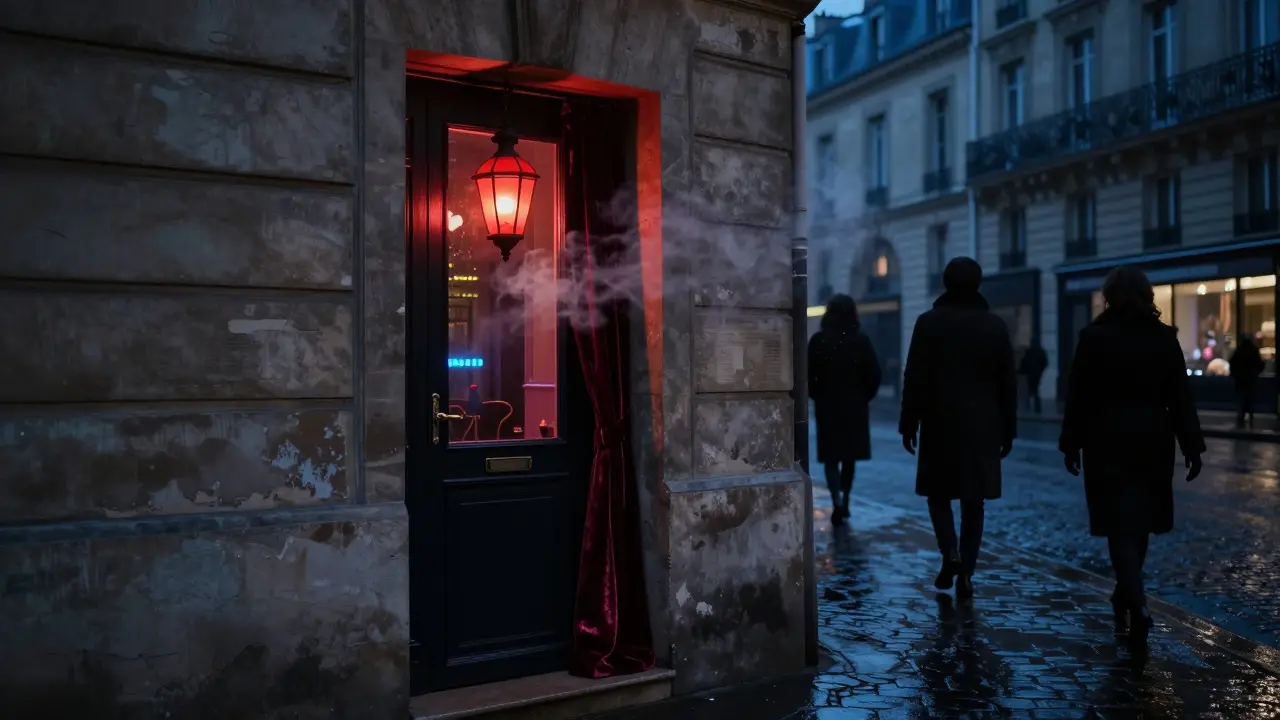
Paris isn’t just croissants and candlelit cafés. Beneath the postcard charm, there’s a city that wakes up after midnight-where velvet curtains hide whispered secrets, candlelight flickers over stained glass, and music drips like old blood from hidden doorways. This isn’t the Paris of tourists. This is the Paris that remembers the witches, the poets, and the rebels who danced in the shadows long before the Eiffel Tower lit up.
Where the Night Still Breathes
Start at Le Baron in the 11th arrondissement. It doesn’t look like much from the street-a narrow black door, no sign, just a single red lantern. But step inside, and you’re in a cathedral of velvet and smoke. The music isn’t pop. It’s post-punk synthwave, slowed-down industrial beats, and French goth rock from bands like Shamir and La Femme. The crowd? Black coats, lace gloves, silver rings, and eyes that have seen too much. This isn’t a club for posing. It’s a sanctuary for those who feel more alive in the dark.
Just down the street, La Bellevilloise transforms after 11 p.m. On weekends, its basement becomes a temple of gothic noise. The walls are lined with old film reels and occult posters. The DJ doesn’t play hits-he plays forgotten vinyl from the 80s Berlin underground. People move like ghosts. No phones. No selfies. Just bodies swaying to the rhythm of something older than the city itself.
The Haunted Bars That Don’t Want You
Some places in Paris don’t advertise. They wait. One of them is Le Chien Qui Fume, tucked behind a bookshop in Montmartre. The name means “The Dog That Smokes”-a reference to a 19th-century poet who supposedly drank absinthe here and claimed to see spirits. The bar has no menu. You ask for the “Black Moon,” and they pour you a glass of blackberry liqueur with edible silver leaf. The owner doesn’t smile. He just nods. If you stay past 2 a.m., he’ll show you the hidden alcove where a former owner hanged himself in 1923. He says the ghost still turns the lights off when someone lies.
Then there’s Le Caveau de la Huchette, a cellar jazz club that’s been open since 1947. It’s not gothic by design-but the walls are so thick with decades of smoke, sweat, and whispered confessions that it feels haunted. The music is raw. The air is heavy. Tourists come for the vibe. Locals come because they know the saxophone player who plays here has been doing it for 40 years-and he swears he’s not human anymore. “He doesn’t sleep,” one regular told me. “He just fades into the walls when the music stops.”
The Underground Rituals
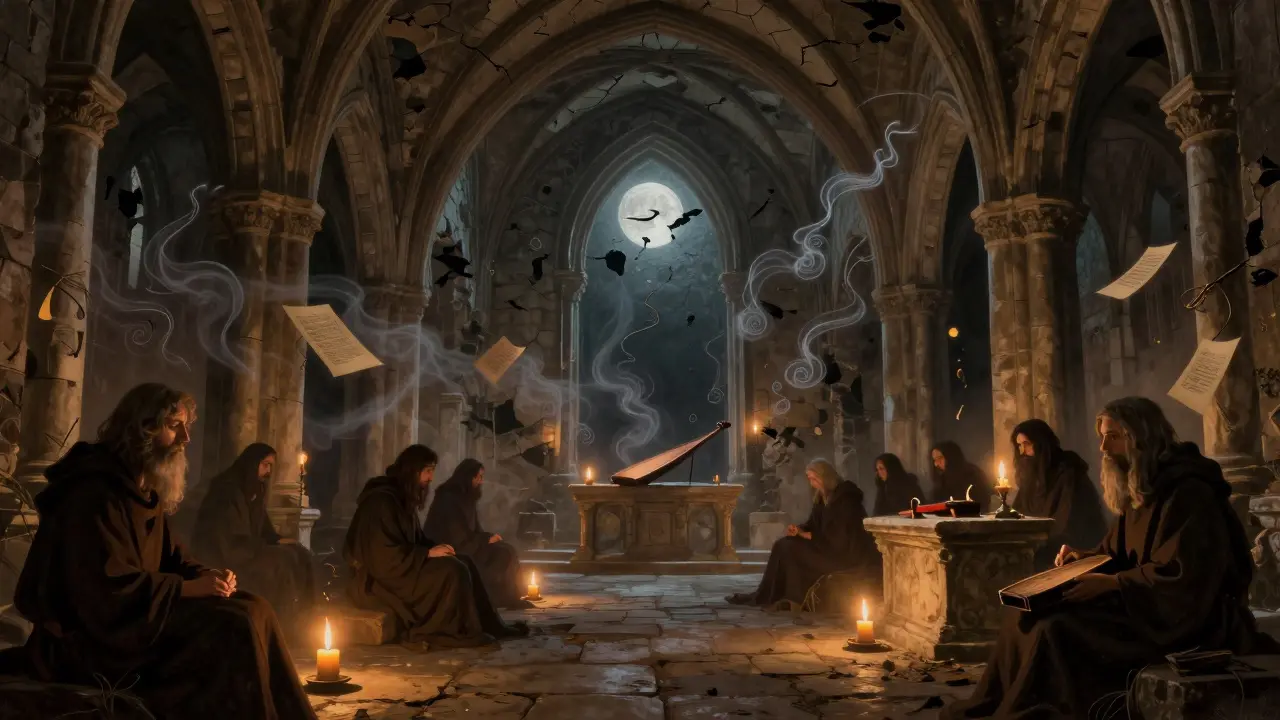
Every third Friday of the month, a secret gathering happens beneath the ruins of an old convent near Père Lachaise. It’s called La Nuit des Ombres-The Night of Shadows. You need an invitation. No one gives them out. You find them by word of mouth: a tattooed woman in a black veil, a man with a raven on his shoulder, a whisper in a bookstore. The event starts at midnight. No alcohol. No drugs. Just candles, incense, and readings from Baudelaire and Poe. People sit on cold stone floors. No one speaks. When the last candle dies, someone plays a single note on a hurdy-gurdy. Then everyone leaves without saying goodbye.
These aren’t parties. They’re rites. People come here not to escape reality-but to feel more real than they ever do in daylight.
Where the Architecture Whispers
Walk through the Latin Quarter after midnight. Look up. The gargoyles on Notre-Dame still watch. The balconies of Saint-Germain-des-Prés still hold the echoes of Sartre and de Beauvoir arguing till dawn. At the corner of Rue de la Huchette and Rue du Four, there’s a building with no number. Its windows are boarded up. But if you press your ear to the brick, you can hear faint singing. It’s not from inside. It’s coming from the sewer below. Locals say it’s the voice of a 17th-century opera singer who drowned herself after being betrayed. They say if you listen long enough, she’ll sing your name.
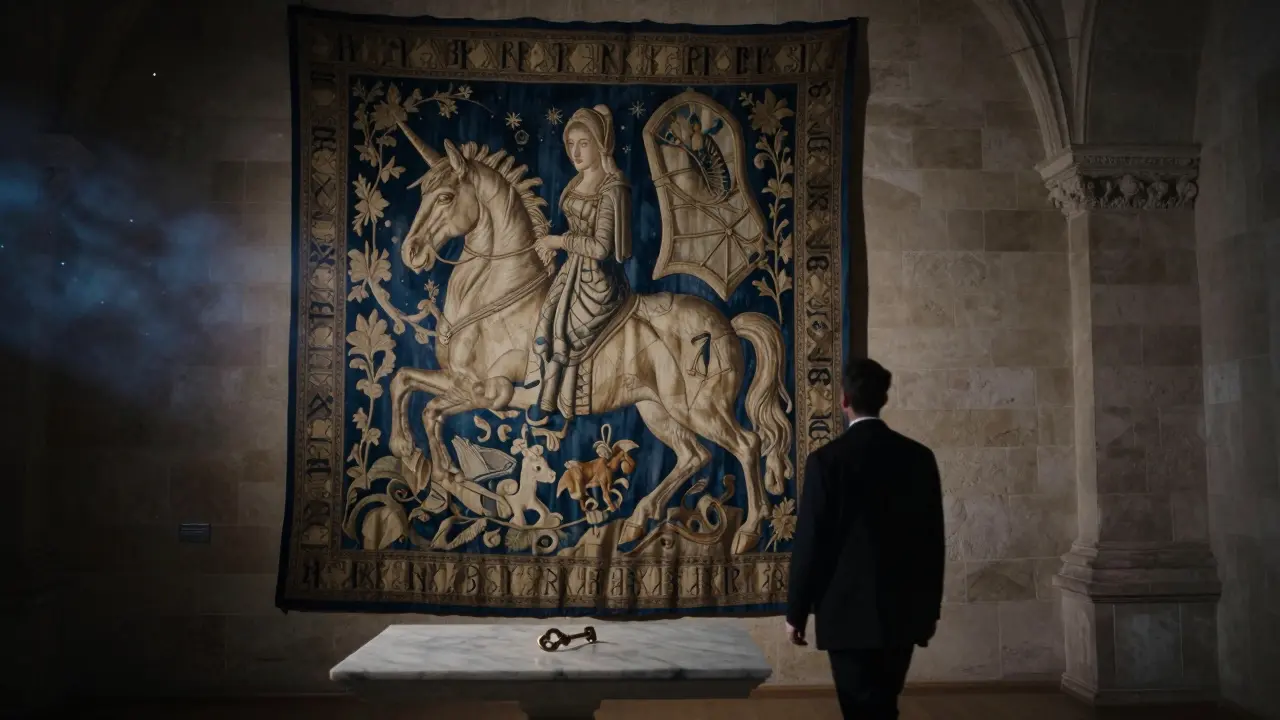
At the Musée de Cluny, the medieval tapestries of the Lady and the Unicorn glow under dim lights. The museum closes at 6 p.m. But if you know the night watchman, he’ll let you in after hours. He says the unicorn in the tapestry moves when no one’s looking. He’s seen it. He doesn’t explain. He just hands you a key and walks away.
What to Wear, What to Bring
You won’t fit in if you show up in a hoodie and sneakers. This isn’t about looking cool. It’s about belonging. Wear black. Not just black clothes-black fabrics. Velvet, lace, leather, wool. Layer your clothes like armor. Bring a scarf. Not for warmth. For mystery.
Don’t bring your phone. Not because it’s forbidden-but because it kills the magic. If you need to call someone, use a payphone near the Catacombs. They still work. And if you dial the wrong number, you might hear a voice whisper, “You’re late.”
Bring cash. Most of these places don’t take cards. And don’t expect a bouncer to check your ID. They’ll look at your eyes. That’s all they need.
When to Go, When to Run
The best nights are between October and March. The air is crisp. The streets are quiet. The shadows are longer. Avoid summer. Too many tourists. Too much noise. The real gothic scene sleeps when the sun is high.
And if you feel watched? Good. You’re in the right place. But if you hear your name called from an alley with no one there? Walk away. Don’t turn around. Some doors aren’t meant to be opened.
Why This Matters
Paris doesn’t need to be perfect to be beautiful. It’s the cracks in the marble, the rust on the iron gates, the silence between the notes of a dying song-that’s where the soul lives. Gothic nightlife here isn’t about horror. It’s about honesty. It’s about finding people who don’t pretend to be happy. Who don’t smile for cameras. Who know that darkness isn’t empty-it’s full of stories that daylight forgot.
You won’t find this Paris in guidebooks. You won’t find it on Instagram. You’ll find it when you’re tired of being seen. When you’re ready to be known.
Is Gothic nightlife in Paris safe?
Yes, if you respect the space. These venues aren’t dangerous-they’re selective. The people who go there aren’t looking for trouble. They’re looking for connection. Avoid flashing cash, don’t take photos without asking, and never follow someone into a back room unless you’re invited. Most clubs have quiet security-no uniforms, no aggression. Just eyes that watch. If you behave, you’ll be fine.
Do I need to dress in full goth attire?
No. You don’t need corsets or fishnets. But you should dress like you belong. Think dark elegance: tailored black coats, leather boots, silver jewelry. Avoid bright colors, logos, or sportswear. The crowd doesn’t judge style-they judge sincerity. If you look like you’re trying too hard, you’ll stand out. If you look like you’ve lived in the dark a while, you’ll blend in.
Are there any gothic events open to tourists?
Yes, but they’re rare. The Paris Gothic Festival happens every November in the 13th arrondissement. It includes live music, art exhibits, and spoken word nights. Tickets sell out fast. You can also check Paris Underground Events on Facebook-though it’s mostly in French. Don’t expect a brochure. These events are passed by word, not ads.
Can I visit the haunted spots alone?
You can. But don’t go looking for ghosts. The real magic isn’t in the haunted houses-it’s in the quiet moments. Sitting alone in a bar, listening to a song no one else knows. Walking past a church at 3 a.m. and hearing a door creak open behind you-then realizing it was never closed. Those are the moments that stay with you. Don’t chase them. Let them find you.
Is there a dress code for Le Baron and La Bellevilloise?
Yes, but it’s unspoken. No shorts, no sneakers, no baseball caps. Black or dark tones only. Leather or velvet preferred. If you look like you just stepped out of a hotel lobby, you’ll be turned away. It’s not elitist-it’s intentional. These places are sanctuaries. They protect their atmosphere. Dress like you’re entering a cathedral, not a club.