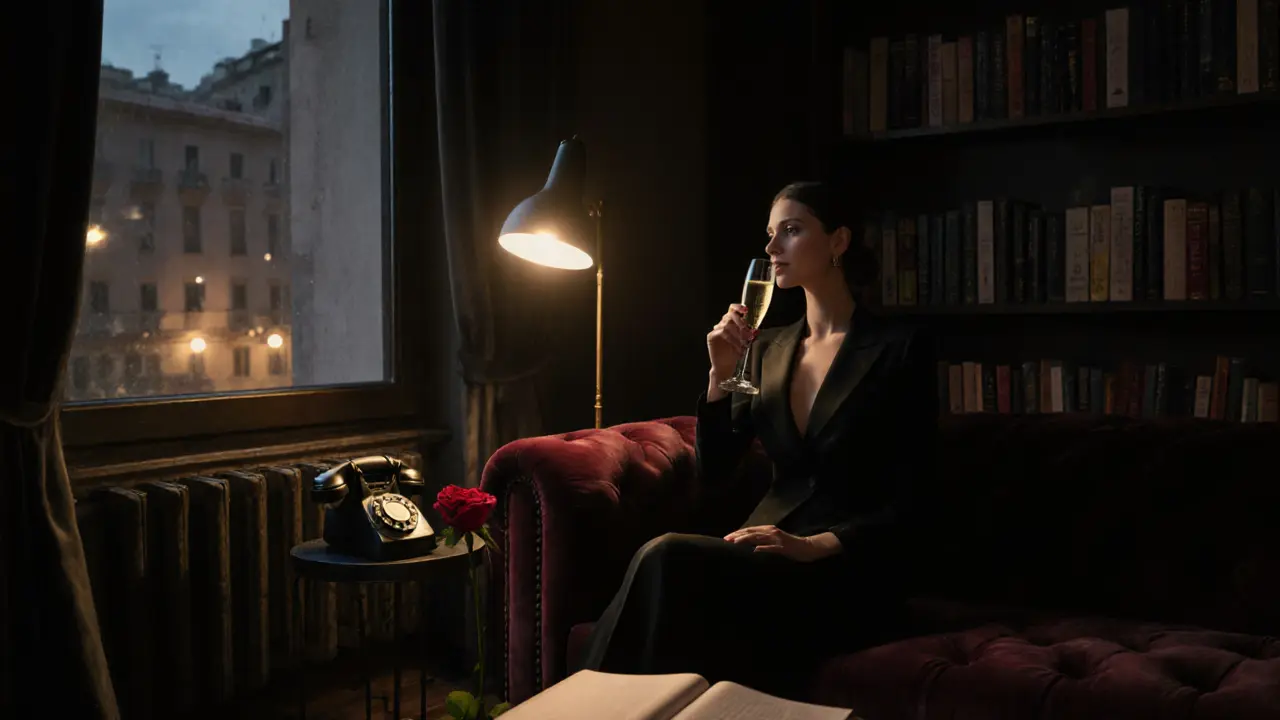
A Night Out in Milan: The Ultimate Guide to the City's Best Nightlife
Milan doesn’t shut down when the sun goes down-it wakes up. While the city is famous for fashion and design, its nightlife is just as sharp, diverse, and full of character. Forget the clichés. This isn’t just about flashy clubs and expensive cocktails. Milan after dark is a mix of hidden speakeasies, riverside hangouts, live jazz lounges, and underground parties that locals swear by. If you want to experience it right, you need to know where to go, when to show up, and how to blend in.
Start in Navigli: Where the Canals Come Alive
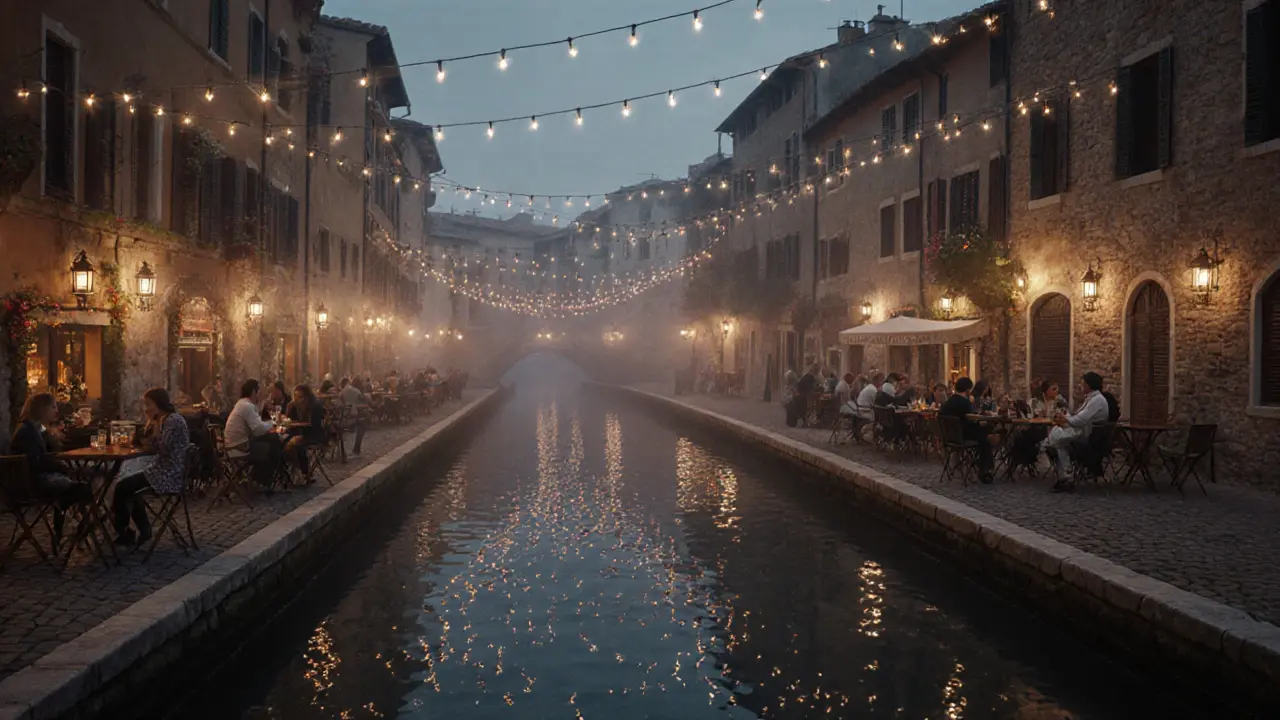
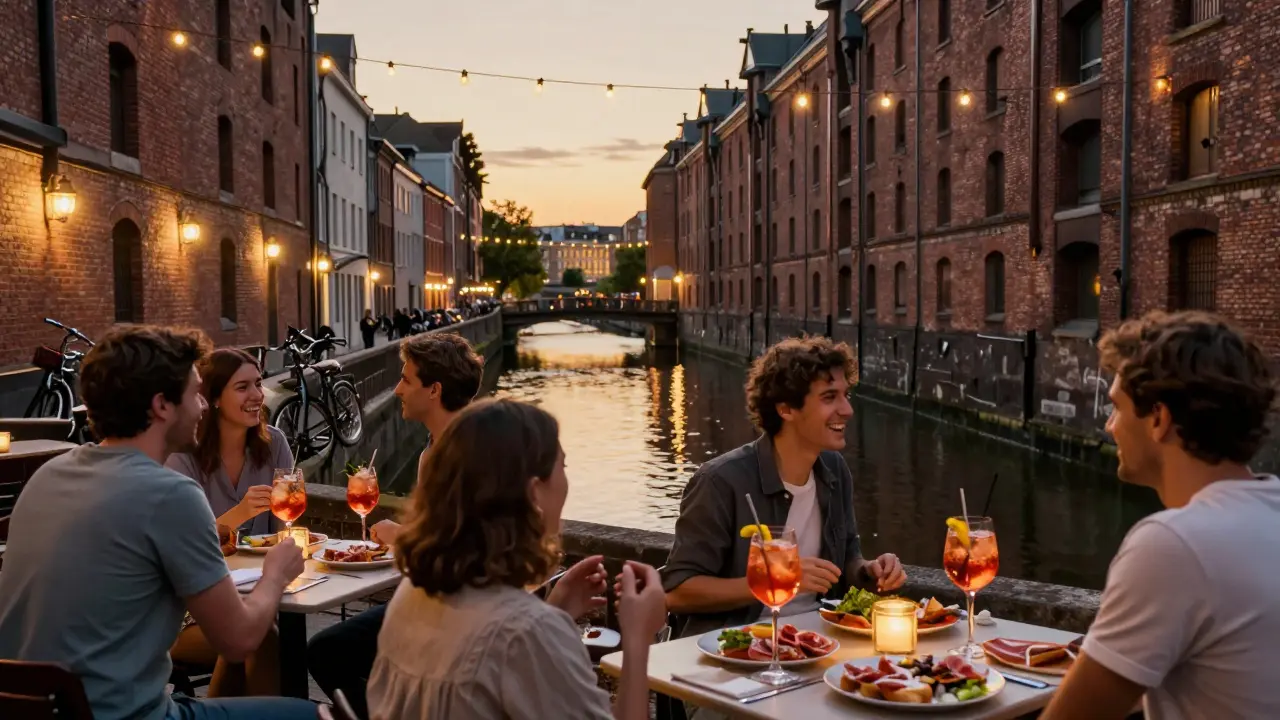
The Navigli district is Milan’s soul after midnight. Two canals-Naviglio Grande and Naviglio Pavese-wind through this area, lined with old brick warehouses turned into bars, trattorias, and wine shops. By 9 p.m., the sidewalks are packed, but not with tourists snapping selfies. Locals are here for aperitivo, the Milanese ritual where a drink (usually a Spritz or Negroni) comes with a free buffet of snacks. You get bruschetta, crostini, cheese, cold cuts, and sometimes even pasta-all for €12 to €18.
Head to La Zucca for a cozy, unpretentious vibe with craft beers and live acoustic sets. Or try Bar Luce, designed by Wes Anderson, where the pastel walls and vintage chairs make you feel like you stepped into a film. Don’t expect a dance floor. This is where people linger, talk, and sip slowly. The energy builds as the night goes on, and by 1 a.m., you’ll see groups walking hand-in-hand along the water, laughing, not rushing.
Move to Brera: The Intellectual Night
Just a 15-minute walk from Navigli, Brera is Milan’s artsy heart. Narrow cobblestone streets, bookshops, and galleries close early, but the bars stay open. This is where writers, artists, and academics unwind. The vibe here is quieter, smarter, and more intimate.
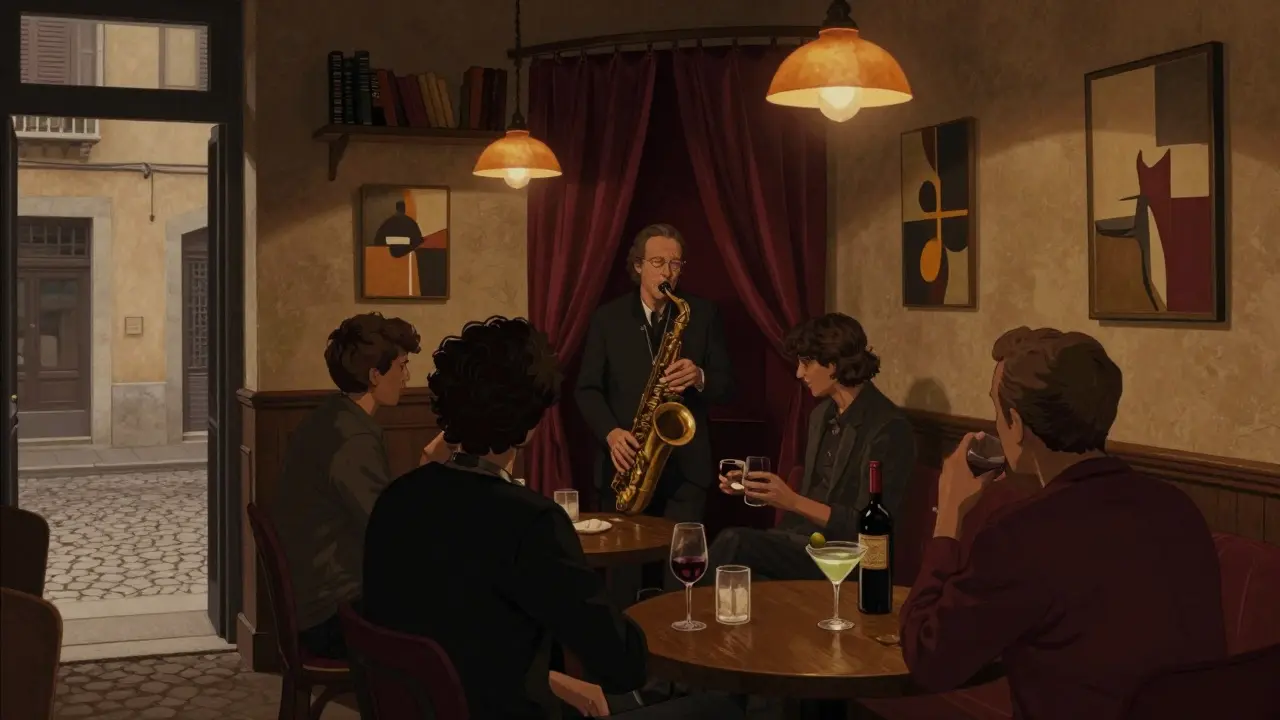
Il Baretto is a classic. No menu, no signs-just a small counter with a bartender who knows your name if you come back. Order a classic Martini or a glass of Barolo. They serve it with a single olive and a side of silence. If you want music, Al Baretto Jazz hosts live sessions every Thursday and Saturday. No cover charge. No dress code. Just saxophones, dim lights, and people leaning in to listen.
Brera doesn’t have clubs. It has conversations. If you’re looking for a night that feels like a novel, this is it.
Head to Porta Ticinese: The Underground Scene
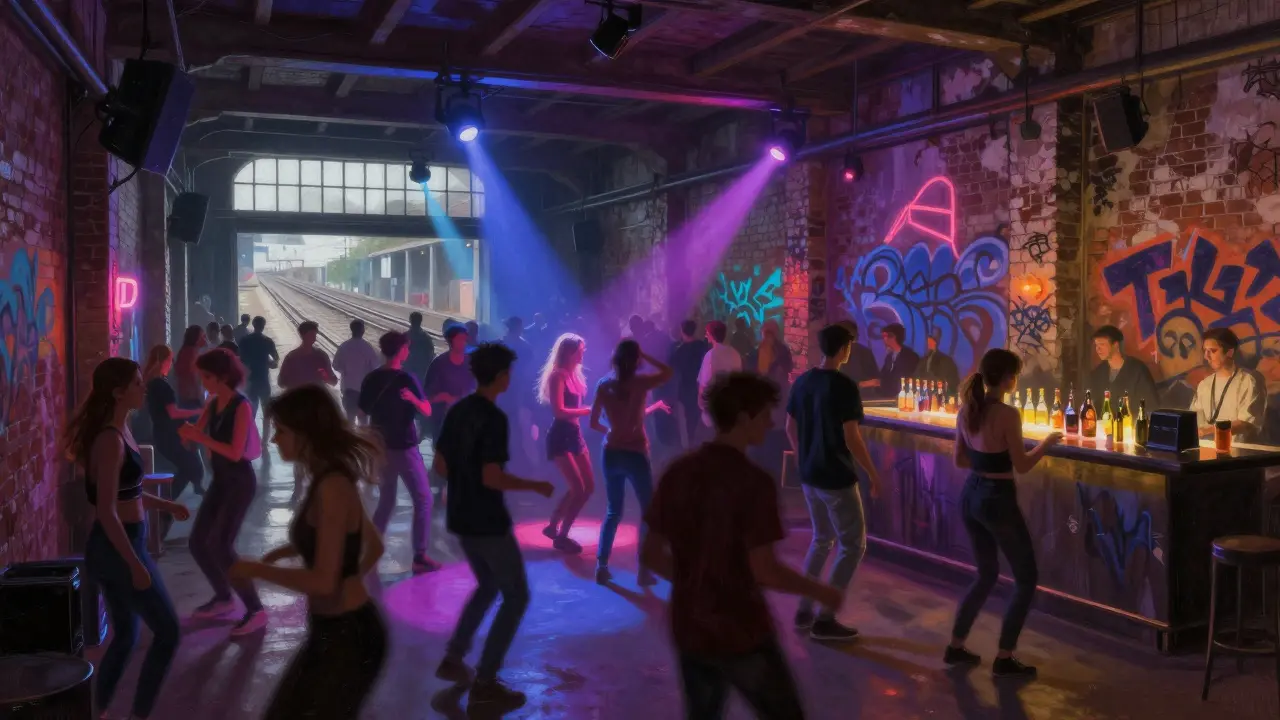
Down by the train tracks, past the graffiti-covered walls and second-hand book stalls, you’ll find Porta Ticinese. This is where Milan’s youth go to dance, not to be seen. The clubs here aren’t on Instagram. They’re in basements, warehouses, and forgotten courtyards.
Capo d’Africa is the most famous. It’s not fancy. The sound system is loud, the floors are sticky, and the crowd is mixed-students, DJs, expats, and locals who’ve been coming since the 90s. They play everything: techno, house, disco, Afrobeat. The party starts at 11 p.m. and doesn’t peak until 3 a.m. There’s no VIP section. No bottle service. Just a single bar and a dance floor that never empties.
For something weirder, try La Bolognese, a retro-futuristic space with neon lights and a rotating lineup of experimental electronic acts. It’s open until 6 a.m. on weekends. You won’t find it unless someone tells you. And that’s the point.
Try a Cocktail Bar: Milan’s Craft Revolution
Milan is one of the few cities in Europe where cocktail culture rivals London and New York. You don’t need to spend €30 for a drink here-you just need to know where to look.
Bar Basso is the birthplace of the Negroni Sbagliato. It’s tiny, cramped, and always full. Order one. Watch the bartender shake it with a theatrical flair. It’s not just a drink-it’s history.
For something more modern, La Distilleria in the Brera area focuses on Italian spirits. They have over 200 vermouths and amaros. Try a tasting flight. Ask for the “Milanese Sour”-a local twist with gin, lemon, and a splash of bitter orange. It’s served in a glass rimmed with rosemary salt.
These places aren’t for partying. They’re for savoring. The bartenders here know their ingredients, their history, and their customers. You’ll leave with more than a drink-you’ll leave with a story.
When to Go: Timing Matters
Milan’s nightlife doesn’t run on New York or Berlin time. If you show up at 10 p.m., you’ll be the first one there. Most locals don’t even think about going out until after 11:30 p.m.
Weeknights (Tuesday-Thursday) are for bars and quiet drinks. Friday and Saturday are for clubs. Sunday is for late breakfasts and rooftop lounges with sunrise views. If you want to dance until sunrise, aim for Saturday night. The clubs don’t get crowded until after 1 a.m.
Also, dress smart. Milanese people care about how they look-even if they’re in a basement club. You don’t need a suit, but flip-flops and a hoodie will get you turned away from the better spots. Dark jeans, a clean shirt, and good shoes are the unofficial uniform.
What to Avoid
Stay away from the tourist traps near the Duomo. The bars around Piazza del Duomo charge €20 for a beer and play Top 40 hits on loop. They’re loud, overpriced, and soulless. You’ll pay more for less.
Don’t follow the Instagram influencers. The places they tag are often rented out for photo shoots. The real spots don’t have hashtags. They have regulars.
And never, ever try to negotiate prices. Milanese people don’t haggle. They respect value. If a drink costs €15, it’s because the ingredients are good, the bartender is skilled, and the atmosphere is real.
Final Tips for a Perfect Night
- Start with aperitivo in Navigli-keep it casual, keep it local.
- Move to Brera for a quiet drink and maybe some jazz.
- End in Porta Ticinese if you want to dance until dawn.
- Carry cash. Many places don’t take cards after midnight.
- Take the metro after 2 a.m. It runs all night on weekends.
- Don’t rush. Milan’s nightlife isn’t a checklist. It’s a rhythm.
There’s no single “best” night out in Milan. There are dozens. The trick is to let the city guide you. Walk without a map. Talk to strangers. Order something you’ve never heard of. That’s how you find the real Milan after dark.
Is Milan nightlife safe at night?
Yes, Milan is one of the safest major European cities at night. The areas covered in this guide-Navigli, Brera, Porta Ticinese-are well-lit, frequently patrolled, and popular with locals. Avoid poorly lit alleys near the train station after midnight, but stick to the main streets and you’ll be fine. As always, keep your belongings close and trust your gut.
What’s the best time to visit Milan for nightlife?
April to June and September to October are ideal. The weather is mild, the crowds are smaller, and the city feels alive without being overwhelming. Summer (July-August) is hot and packed with tourists, while winter nights are quieter but still vibrant. Don’t miss the annual Milano Design Week in April-many bars host themed parties during that week.
Do I need to book tables in advance?
For aperitivo spots like La Zucca or Bar Luce, no-just show up. For cocktail bars like La Distilleria or Bar Basso, you can walk in, but weekends get busy after 9 p.m. If you want a table at a popular spot, call ahead. For clubs like Capo d’Africa, no reservations exist. Line up at the door. That’s part of the experience.
Are there any free nightlife events in Milan?
Yes. Every Thursday, Brera Open turns the district into a free art crawl-galleries, studios, and bars stay open late with live music and free wine tastings. In summer, the Navigli canals host open-air cinema nights with Italian films. Check local listings on Milano Notte or ask at your hotel. These events are local secrets, not tourist ads.
Can I find English-speaking bartenders?
Most bartenders in popular spots speak at least basic English. But the best experiences happen when you try a few Italian phrases. Ask for “un Aperol Spritz, per favore” or “che musica suonano stasera?” (What music are they playing tonight?). Locals appreciate the effort. And sometimes, they’ll give you a free snack just for trying.