A Night Out in Milan: The Ultimate Guide to the City's Nightlife
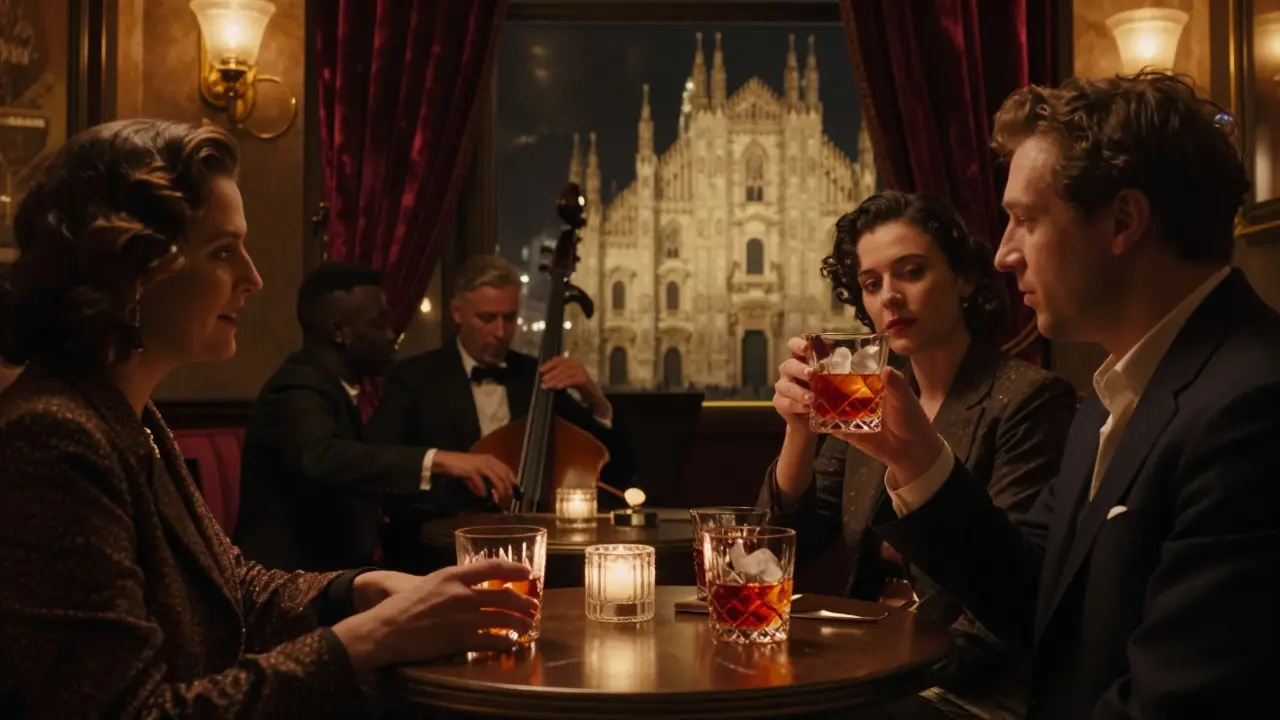
Milan doesn’t sleep when the sun goes down. While most tourists think of fashion shows and Renaissance art, the real pulse of the city beats after 10 p.m. This isn’t just another European city with a few trendy bars - Milan’s nightlife is layered, loud, and unmistakably Italian. You can sip a negroni in a 1920s speakeasy, dance until sunrise in a converted factory, or find a quiet rooftop with views of the Duomo - all in the same night.
Where to Start: Navigating Milan’s Nightlife Zones
Milan’s nightlife isn’t scattered randomly. It’s split into distinct neighborhoods, each with its own vibe. If you’re new here, pick one zone and stick to it. Trying to cover them all in one night will leave you exhausted - and lost.
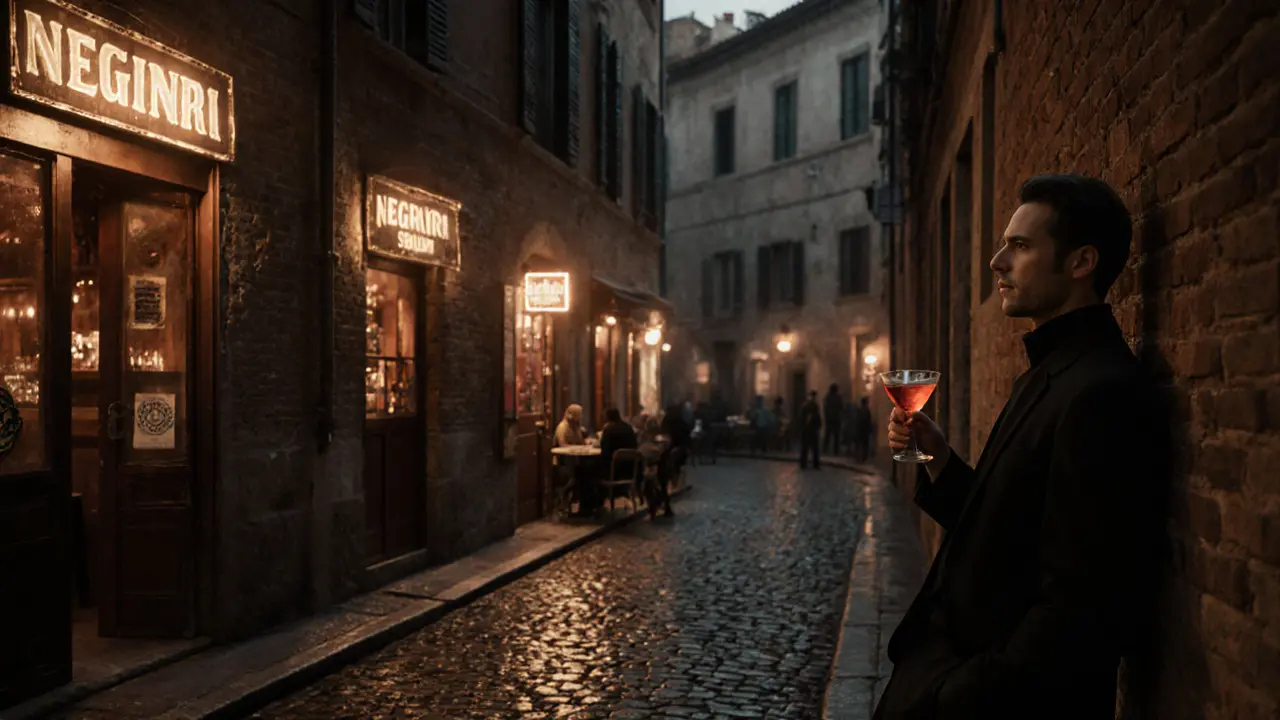
Brera is where the cool crowd begins. Think dim lighting, jazz playlists, and cocktails served in vintage glassware. It’s not about volume; it’s about atmosphere. Bars like Bar Basso (famous for inventing the Negroni Sbagliato) feel like stepping into a black-and-white film. You won’t find neon signs here. You’ll find whispered conversations and the clink of ice in a perfect drink.
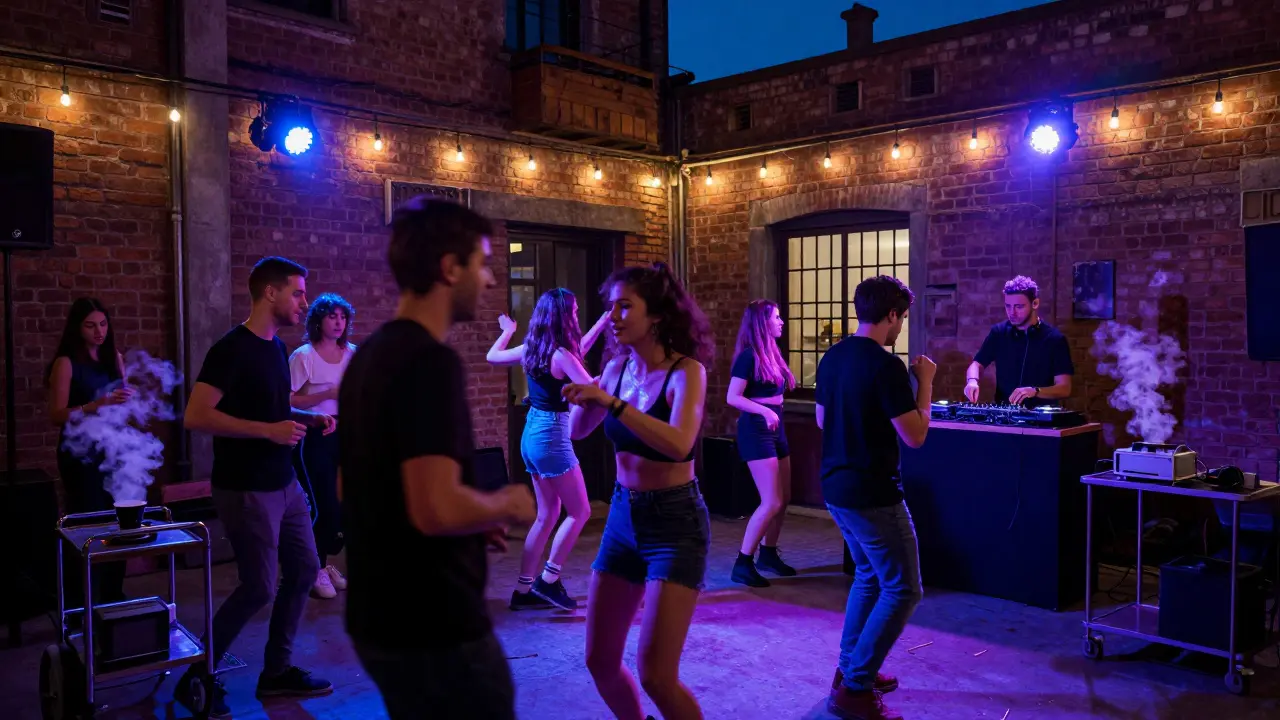
Head to Porta Ticinese if you want energy. This area used to be a gritty industrial zone. Now, it’s packed with live music venues, craft beer spots, and open-air terraces. Le Bains is a favorite - a converted bathhouse with a courtyard that turns into a dance floor after midnight. The crowd here is younger, local, and doesn’t care about designer labels. Just good music and good company.
For high-end clubbing, go to Zona Tortona or Porta Garibaldi. These are the spots where international DJs play, and the dress code is strict. You won’t get in wearing sneakers. The clubs here - like Alcatraz and Magazzini Generali - host events that sell out weeks in advance. Tickets aren’t cheap, but the sound systems are worth it.
Must-Visit Bars and Clubs
Not every bar in Milan deserves your time. Here are the ones that actually deliver.
- Bar Basso - The birthplace of the Negroni Sbagliato. Order it. Don’t ask for substitutions. This place has been serving the same drink since 1967.
- Le Bains - Open until 5 a.m. on weekends. The courtyard is heated in winter, and the playlist moves from indie rock to house without missing a beat.
- Alcatraz - A multi-room club with a reputation for underground techno. The main room has a 120,000-watt sound system. Bring earplugs.
- La Scala’s Bar - Not inside the opera house, but right across the street. After a performance, this is where the elite unwind. Quiet, elegant, and always full of people who’ve just seen La Traviata.
- Bar Luce - Designed by Wes Anderson. Yes, really. It’s inside the Fondazione Prada. The decor is 1950s Milanese café meets cinematic surrealism. It’s more of a daytime hangout, but the cocktails are worth a visit even at night.
Don’t skip La Vineria in the Brera district. It’s a wine bar that doubles as a hidden gem. They pour over 120 Italian wines by the glass. The staff won’t push expensive bottles - they’ll ask what you like and guide you. That’s Milanese hospitality.
Dress Code: What to Wear (and What Not to Wear)
Milan is Italy’s fashion capital for a reason. People here notice what you’re wearing. You don’t need to look like a runway model, but you do need to look intentional.
In Brera and upscale clubs, men: dark jeans, button-down shirt, clean loafers. Women: tailored dress or sleek top with heels. No hoodies, no sneakers, no baseball caps. If you show up in gym shorts and flip-flops, you’ll be turned away - even if the club is packed.
Porta Ticinese is more relaxed. Jeans and a good t-shirt are fine. But even here, ripped shorts and tank tops are a no-go. Italians dress to impress, even when they’re just grabbing a drink.
Pro tip: If you’re unsure, bring a jacket. It’s easy to throw on over a t-shirt. It instantly elevates your look - and your chances of getting past the bouncer.
When to Go: Timing Matters
Milan doesn’t follow the same schedule as other cities. Dinner doesn’t start until 8 p.m. People don’t hit the bars until after 11. And clubs? They don’t really get going until 1 a.m.
Here’s the real timeline:
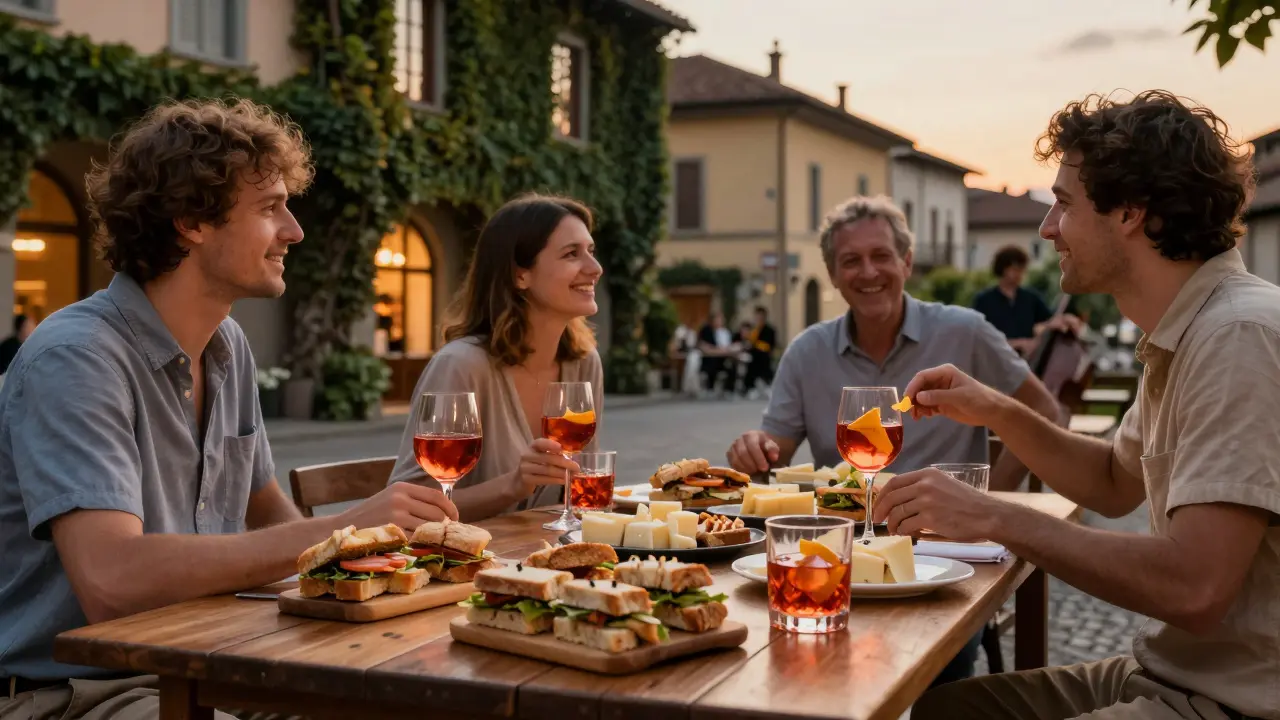
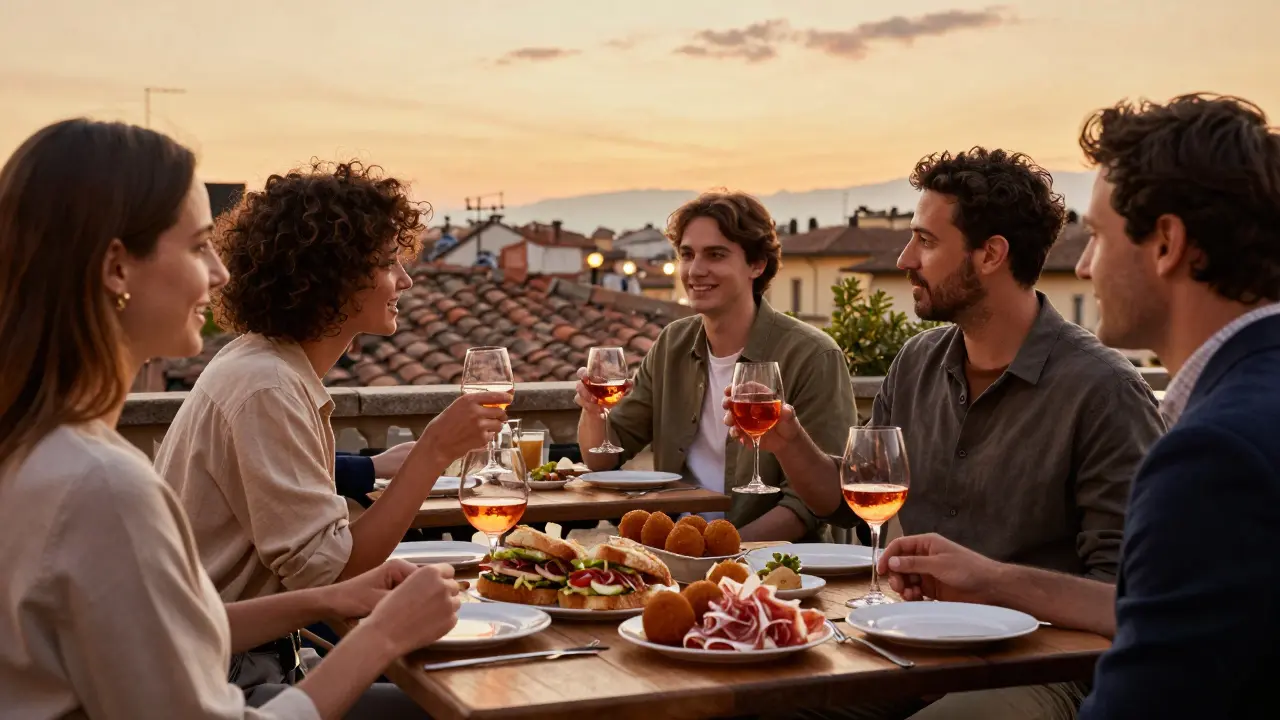
- 7-9 p.m.: Aperitivo hour. This isn’t just a drink - it’s a ritual. Pay €12-€18 for a cocktail, and you get a buffet of snacks - think mini sandwiches, arancini, pasta bites, and fresh salads. Many bars offer this from 6 p.m. to 9 p.m. It’s cheaper than dinner and way more fun.
- 9-11 p.m.: Bar hopping. Move from one spot to the next. Don’t stay too long. Milanese nightlife is about movement.
- 11 p.m.-1 a.m.: Transition time. People start filtering into clubs. The music gets louder. The energy shifts.
- 1 a.m.-5 a.m.: Peak night. This is when the real party happens. Clubs are full. The dance floors are packed. The drinks are flowing. This is when you’ll meet locals who’ve been doing this for years.
Don’t show up at 10 p.m. expecting a packed club. You’ll be the only one there. And you’ll feel it.
What to Drink: Beyond the Aperol Spritz
Yes, the Aperol Spritz is everywhere. But Milan has deeper drinks.
Start with the Negroni. It’s bitter, strong, and perfect with an aperitivo. Then try the Negroni Sbagliato - the original version, made with sparkling wine instead of gin. It’s lighter, fizzier, and still unforgettable.
For something warmer, order a Campari Soda - just Campari and soda water, with a slice of orange. Simple. Bold. Classic.
Wine lovers should ask for a glass of Barolo or Barbaresco. They’re from Piedmont, just an hour away, and they’re poured in almost every good wine bar.
And if you’re feeling adventurous, try a Shakerato - espresso shaken with ice and sugar until frothy. It’s like a cold, boozy coffee drink - but without the alcohol. Perfect for a late-night pick-me-up.
Local Tips: What Tourists Always Get Wrong
Here’s what you’ll hear from locals:
- Don’t ask for “the best club.” Everyone has a different favorite. Ask where they go, not what’s trending.
- Don’t rush. Milanese nightlife is about lingering. A two-hour bar visit is normal. Three is better.
- Don’t use Uber. Taxis are cheap, reliable, and everywhere. Uber is banned in Milan. You’ll waste time waiting for one that won’t come.
- Don’t assume English is spoken. Many bartenders speak it, but not all. Learn a few phrases: “Un bicchiere di vino rosso, per favore” (a glass of red wine, please).
- Don’t be loud. Italians value quiet conversation. Yelling over music? That’s not cool. It makes you stand out - for the wrong reasons.
What to Do After the Party
Some nights end with a drink. Others end with a bite.
After the clubs close, head to Trattoria Milanese on Via Torino. Open until 5 a.m., it’s where locals go for late-night panzerotti and risotto alla milanese. It’s cheap, warm, and smells like home.
Or grab a cornetto - an Italian croissant - from a 24-hour bakery like Pasticceria Marchesi. Eat it standing up. Drink an espresso. Watch the city wake up.
That’s Milan’s nightlife: not just dancing, but living. It’s about the ritual, the rhythm, the quiet moments between the beats.
Is Milan nightlife safe at night?
Yes, Milan is generally safe at night, especially in the main nightlife areas like Brera, Porta Ticinese, and Porta Garibaldi. Stick to well-lit streets, avoid empty alleys, and don’t flash expensive items. The city has a strong police presence near clubs, and most incidents involve tourists who wander off the beaten path. If you’re with a group and stay aware, you’ll be fine.
Do I need to book tickets for clubs in Milan?
For big clubs like Alcatraz, Magazzini Generali, or events with international DJs, yes - tickets often sell out days in advance. For smaller bars and casual spots, no. Walk-ins are welcome. Check the club’s Instagram or website before you go. Many post their lineup and ticket info online.
What’s the average cost of a night out in Milan?
A typical night out costs between €30 and €80. Aperitivo (drink + snacks): €12-€18. One cocktail at a bar: €10-€15. Club entry: €10-€25. Drinks inside: €12-€18 each. If you’re going to a high-end club with a DJ, expect to spend closer to €60-€80, including cover and drinks. Budgeting €50 gives you a solid night without overspending.
Are there any LGBTQ+ friendly spots in Milan?
Yes. Milan has one of Italy’s most vibrant LGBTQ+ scenes. Bar Luce and La Casa di Leda in the Navigli district are welcoming and popular. Bar Rosso is a long-standing gay bar with live drag shows on weekends. The city hosts Milan Pride in June, but the scene is active year-round. You won’t feel out of place anywhere in the main nightlife zones.
Can I find vegan or vegetarian options in Milan’s nightlife spots?
Absolutely. Most aperitivo bars now offer at least one vegan option - think grilled vegetables, lentil croquettes, or vegan arancini. Places like La Vineria and Le Bains have dedicated vegan menus. Even traditional spots like Trattoria Milanese can make vegan risotto if you ask. Just say “Sono vegano” - you’ll be taken care of.
Final Thought: This Isn’t Just a Night Out - It’s a Milanese Experience
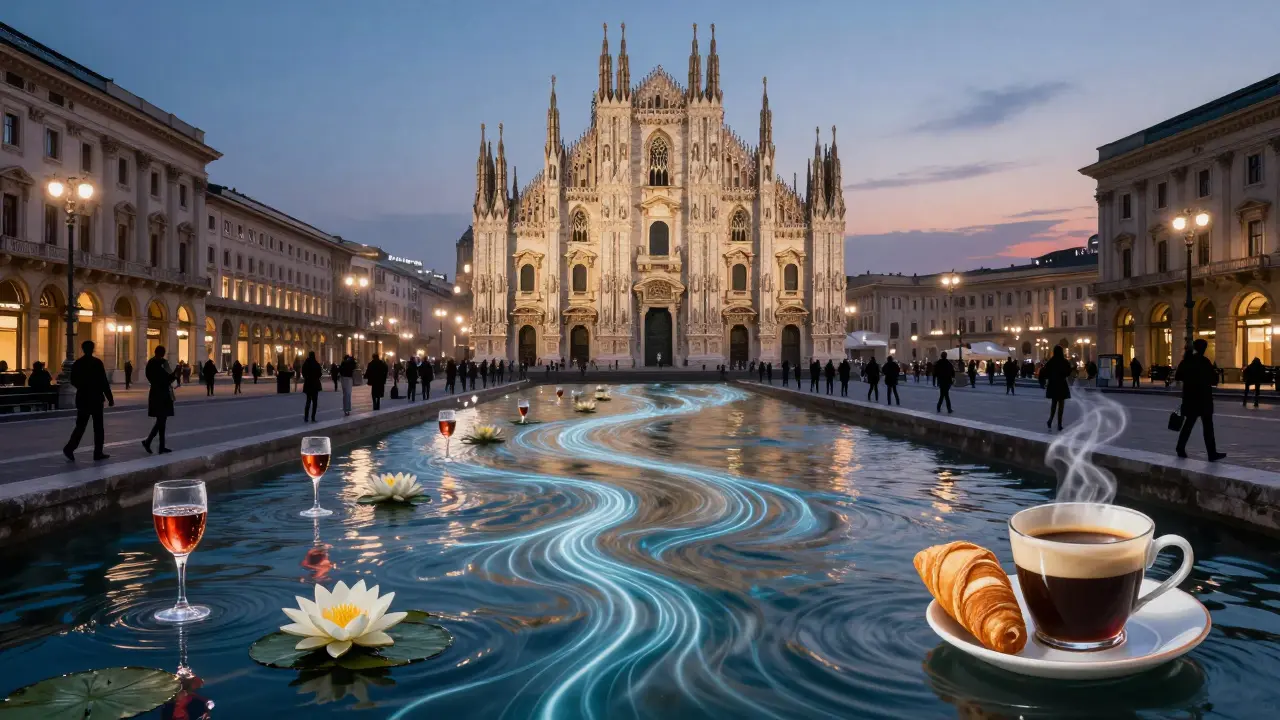
Milan’s nightlife doesn’t try to be like Paris or Berlin. It’s its own thing. Slow at first, then explosive. Elegant, but never stiff. Loud, but never chaotic. It rewards those who take their time, who notice the details - the way the light hits the Duomo from a rooftop, the sound of a violin drifting from a hidden courtyard, the bartender who remembers your name after one drink.
Don’t just go out. Go into it. Let the city pull you in. You’ll leave not just tired - but changed.