Your Weekend Guide to the Best Nightlife in London
London doesn’t sleep - and neither should you
Forget what you heard about London being quiet after 11 p.m. By midnight, the real city wakes up. From hidden speakeasies in Shoreditch to rooftop lounges with skyline views, London’s nightlife isn’t just a scene - it’s a whole ecosystem. And if you’re planning a weekend out, you need more than a list of popular spots. You need the places locals actually go, the ones that stay open past 2 a.m., and the ones that don’t charge £18 for a pint of lager.
Here’s the truth: most tourist guides point you to the same five clubs in Soho. But if you want to feel the pulse of London after dark, you’ve got to go deeper. The best nights out aren’t booked on Eventbrite. They’re found by following the music, the laughter, the smell of grilled meat from a late-night kebab shop, and the buzz of people who aren’t there to be seen - they’re there to have a good time.
Shoreditch: Where the night starts early
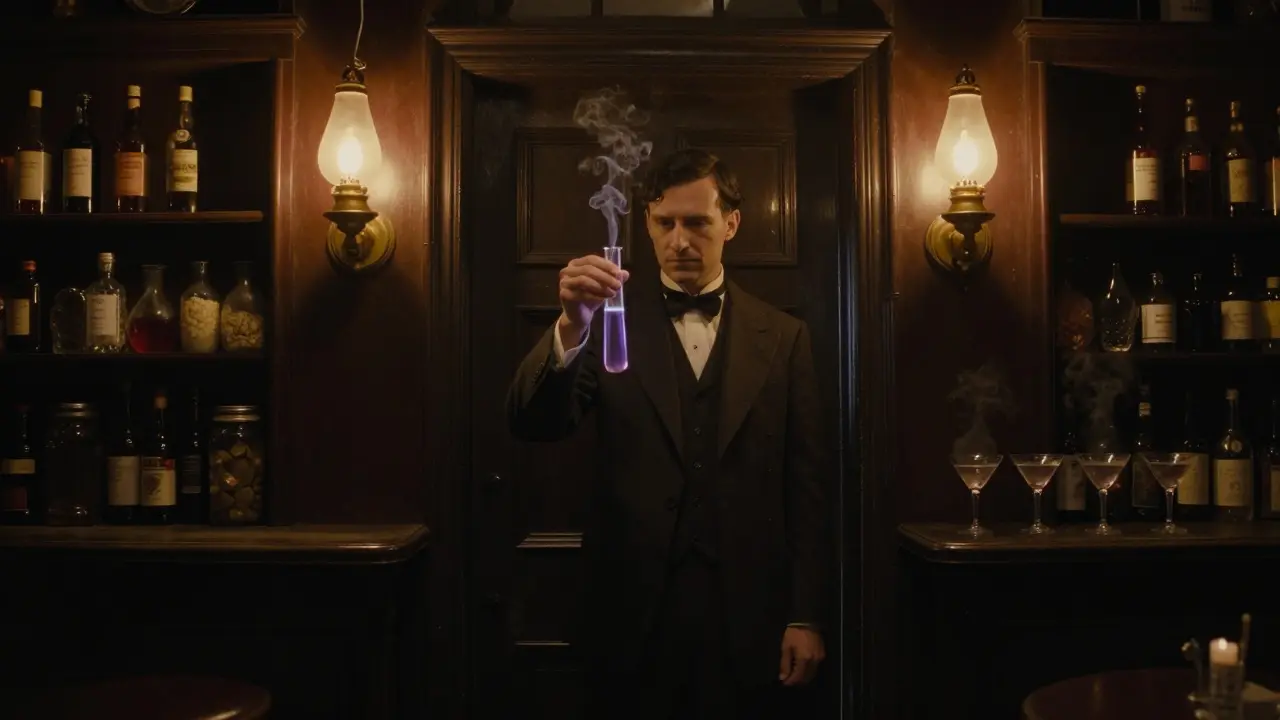
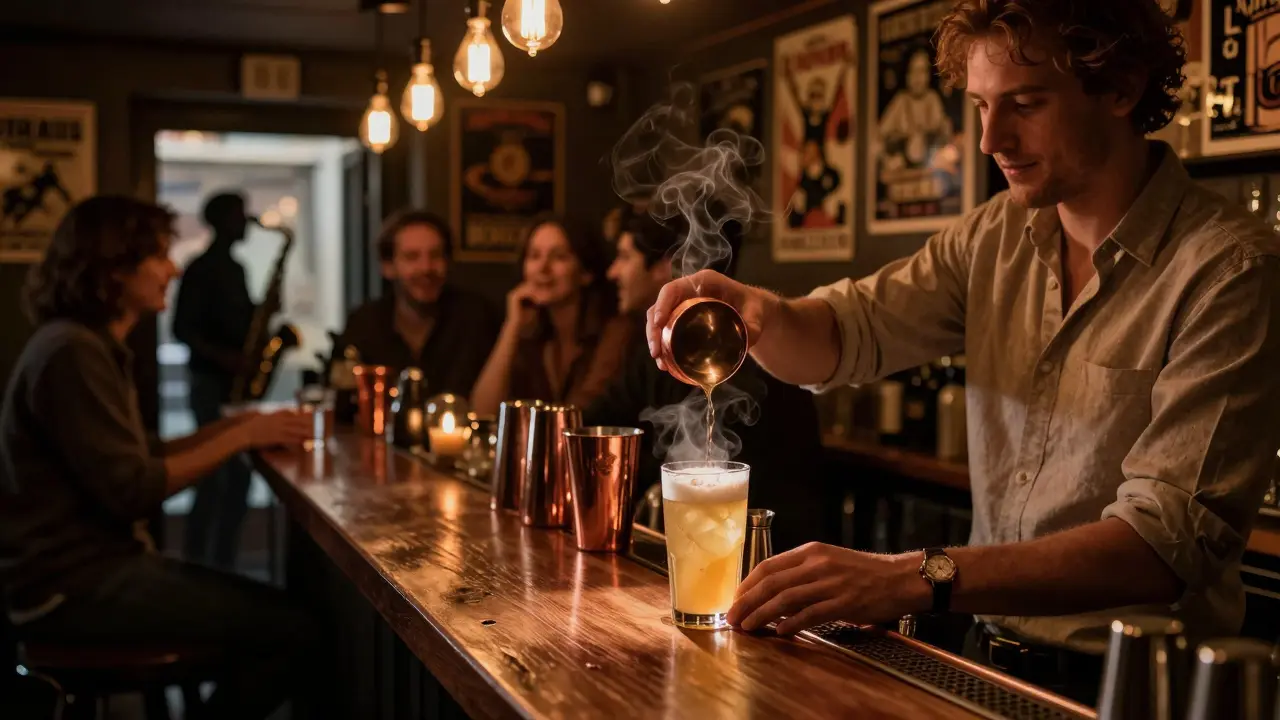
Shoreditch isn’t just a neighborhood - it’s a state of mind. By 9 p.m., the streets are already humming. Start at The Curtain, a basement bar with live jazz on Fridays and a cocktail list that changes weekly. Their Smoke & Mirrors - mezcal, smoked maple, and black pepper tincture - isn’t on the menu, but if you ask the bartender what they’re mixing tonight, they’ll make it for you.
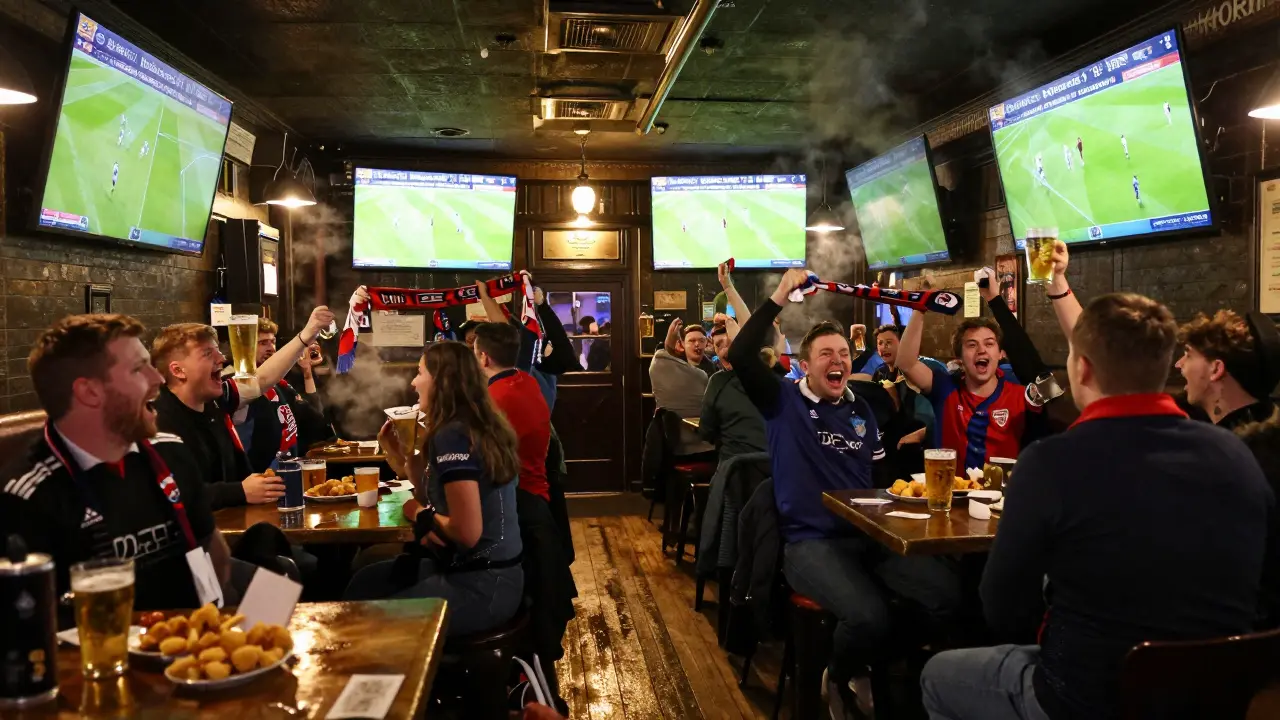
Walk three blocks to The Old Blue Last, a no-frills pub that’s been around since 1998. It’s cramped, loud, and the beer is cheap. Locals come here after work, on weekends, and after clubbing. You’ll see artists, DJs, and delivery drivers all shoulder-to-shoulder. Don’t expect a velvet rope. Just expect a good pint and someone to start a conversation.
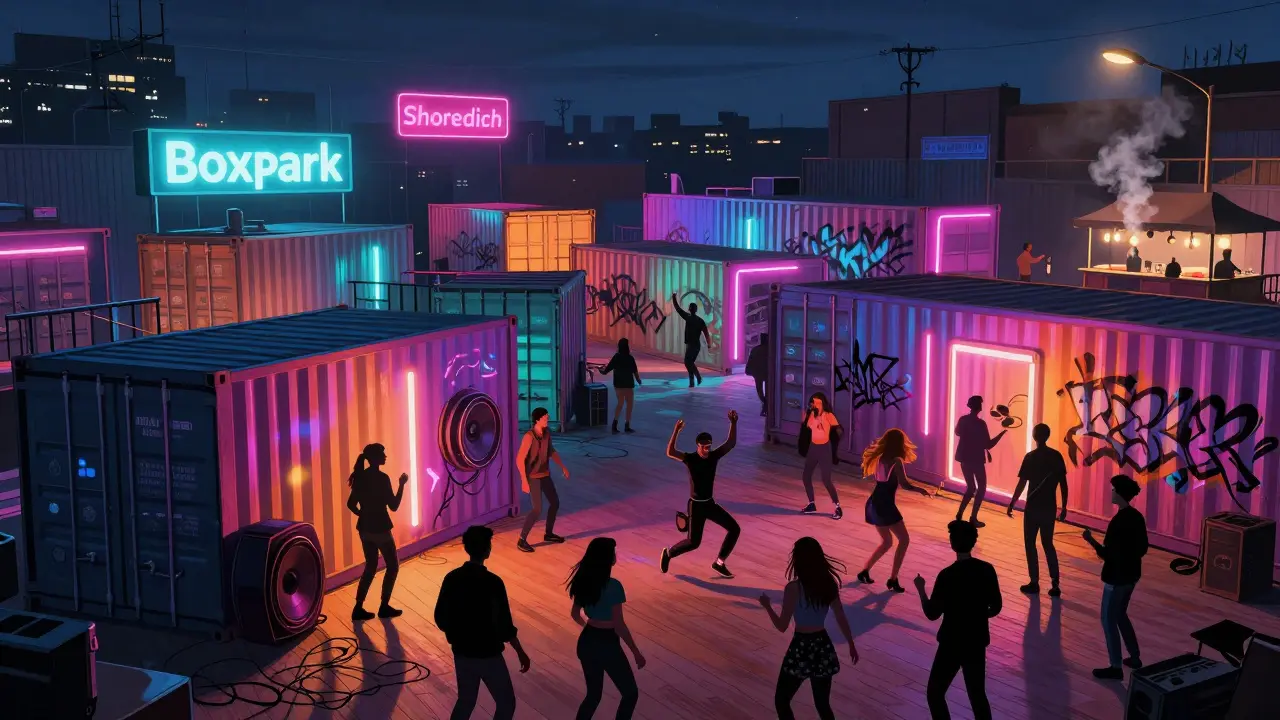
By 1 a.m., head to Boxpark Shoreditch. It’s a pop-up mall made of shipping containers, but at night, it turns into a maze of indie clubs. BOXPARK Bar has a dance floor that doesn’t stop until 4 a.m. and a sound system that makes you feel the bass in your ribs. This isn’t a place for posing. It’s for moving.
Camden: Punk heart, modern soul
Camden used to be all about leather jackets and punk gigs. Now it’s something else entirely - a wild mix of underground venues and mainstream draws. Start at Camden Assembly, a former church turned live music space. They book rising indie bands, electronic acts, and even spoken word nights. The vibe is raw, real, and never overpriced.
Just down the road, The Electric Ballroom still hosts club nights that draw crowds from all over the city. On Saturdays, Club Koko (yes, the same one from the 90s) runs a 21+ 80s Retro Night with DJs spinning vinyl and staff dressed in neon. It’s cheesy, but in the best way. People actually dance here - not just stand around with phones out.
And if you’re hungry after all that? Camden Market stays open until 2 a.m. on weekends. Grab a loaded fries taco from Wicked Kitchen or a spicy chicken sandwich from Chick’n’Sauce. It’s the perfect end to a night that started with a band and ended with a grease-stained napkin.
SoHo: The glitter, the grind, the grit
SoHo is where the tourists go. And honestly? Some of it’s worth it. But skip the chain bars. Instead, find Bar Termini, a tiny Italian cocktail spot that doesn’t take reservations. It’s always full, always loud, and always worth the wait. Order the Aperol Spritz - it’s the same recipe they’ve used since 1999.
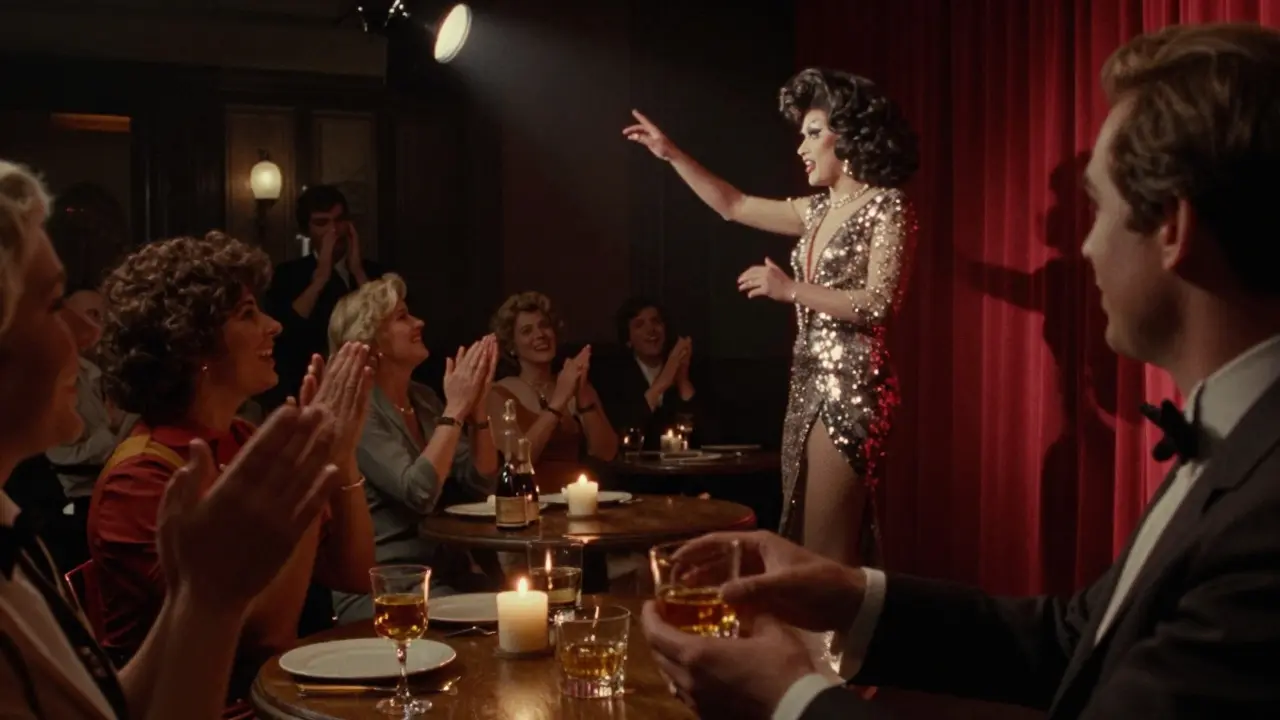
For something more underground, slip into The Glory, a queer-owned bar that’s been a safe space since 2003. Drag shows start at 10 p.m., and the crowd is a mix of artists, students, and older locals who’ve been coming for decades. It’s not a club. It’s a family.
If you want to dance till sunrise, head to Fabric. It’s not new. It’s not flashy. But it’s one of the last true techno clubs in London. The sound system is legendary. The crowd? Serious about the music. No bottle service. No VIP sections. Just bass, sweat, and people who came to lose themselves.
Notting Hill: Hidden gems and quiet escapes
Notting Hill isn’t just about the movie. At night, it’s where London’s quieter side comes alive. Start at The Portobello Star, a cozy pub with a back garden that feels like a secret. They serve craft beers from small British breweries and have live acoustic sets on Friday nights.
Walk a few minutes to Bar Italia - yes, the same one from the 1950s. It’s a coffee bar, but at 1 a.m., it turns into a late-night hangout for creatives, writers, and jazz musicians. No alcohol, no music, just espresso, quiet chatter, and the hum of an old espresso machine.
For something more upscale but still real, try Bar Marmont in the basement of the Hotel Café Royal. It’s dim, moody, and feels like a 1920s lounge. The cocktails are expertly made. The crowd? Not there to be seen. They’re there to talk, to listen, to breathe.
What to avoid
Not every place with a neon sign is worth your time. Skip The Londoner and The O2 Arena clubs if you’re looking for authenticity. They’re expensive, crowded with tourists, and play the same Top 40 hits you hear everywhere else.
Also avoid places that charge £15 to get in before 11 p.m. If you’re paying a cover before the night even starts, you’re probably paying for the illusion of exclusivity - not the experience.
And don’t go to clubs that require a dress code unless you actually own a blazer and dress shoes. Most places in London now have a “smart casual” rule - meaning no flip-flops, no hoodies, no tracksuits. But a clean t-shirt and jeans? Always fine.
How to make the most of your night
- Start early. London’s best spots fill up fast. Get there by 9 p.m. if you want a seat.
- Use the Night Tube. It runs Friday and Saturday nights on the Central, Victoria, Jubilee, Northern, and Piccadilly lines. No need to Uber home at 3 a.m. - the train’s running.
- Bring cash. Many small bars and clubs still don’t take cards, especially after midnight.
- Don’t rush. Pick three spots max. London’s magic is in the slow crawl from one place to the next.
- Ask the bartender. They know what’s happening, who’s playing, and where the real crowd is.
Final tip: The best night out is the one you didn’t plan
Some of London’s best nights happen because you got lost. You followed a group of people laughing down a side alley. You walked into a place because the music leaking out sounded like nothing you’d heard before. You ended up in a basement with a saxophonist playing Miles Davis and a guy in a bowtie handing out free whiskey shots.
That’s London. Not the Instagram posts. Not the listicles. The real stuff happens when you stop looking for the perfect night - and just let the night find you.
What’s the best night to go out in London?
Friday and Saturday nights are the busiest, but they’re also the most crowded. If you want a better vibe with fewer people, try Thursday. Many clubs run special events on Thursdays - lower prices, better DJs, and a more relaxed crowd. Sunday nights in Shoreditch and Camden are surprisingly lively too, especially after 1 a.m. when the Sunday drinkers come out.
Is London nightlife safe at night?
Yes, but like any big city, use common sense. Stick to well-lit streets, avoid isolated alleys after 2 a.m., and don’t carry large amounts of cash. The Night Tube runs safely on weekends, and most clubs have security staff. If you feel uncomfortable, trust your gut. Walk to a nearby pub or call a friend. London is generally safe, but no place is risk-free if you’re not paying attention.
How much should I budget for a night out in London?
You can have a great night for £40-£60 if you’re smart. That’s £10-£15 for a couple of drinks at a pub, £15-£20 for food, and £10-£15 for a club entry or a couple of cocktails. Skip the £25 cocktails and £50 bottle service - they’re not worth it. Stick to local bars, use the Night Tube, and eat at market stalls. You’ll get more flavor and more fun for less money.
Are there any free nightlife options in London?
Absolutely. Many pubs have free live music on weekdays - check listings for The Bull’s Head in Barnes or The 100 Club in Soho. Camden Market has street performers every night. You can also walk along the South Bank after dark - the lights on the London Eye and Tower Bridge are free, and the atmosphere is electric. Some churches even host late-night jazz or poetry readings with no cover charge.
What time do clubs actually close in London?
Most clubs close at 2 a.m. or 3 a.m., but a few stay open until 4 a.m. or later. Fabric, Printworks (when open), and some underground spots in Peckham or Brixton often run until 4 a.m. on weekends. Always check the venue’s website or Instagram - closing times change based on events and licensing. And remember: even if the music stops, the bar might stay open for another hour for last drinks.