The Nightlife of Istanbul: A Cultural and Culinary Experience
When the sun sets over the Bosphorus, Istanbul doesn’t sleep-it transforms. The city’s nightlife isn’t just about drinking or dancing. It’s a slow unraveling of centuries: the scent of grilled mackerel drifting from a street cart, the echo of ney flutes from a hidden meyhane, the clink of rakı glasses as strangers become friends under string lights. This isn’t party tourism. This is culture served with meze and midnight stories.
Where the City Breathes After Dark
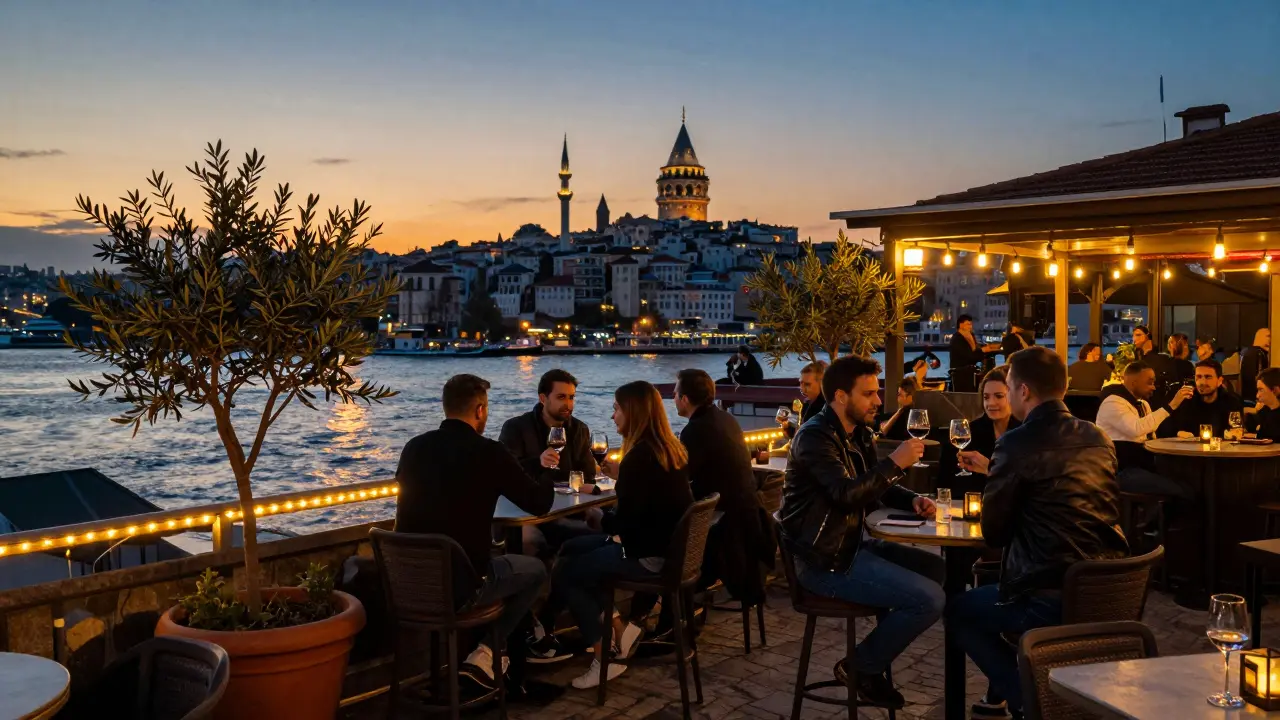
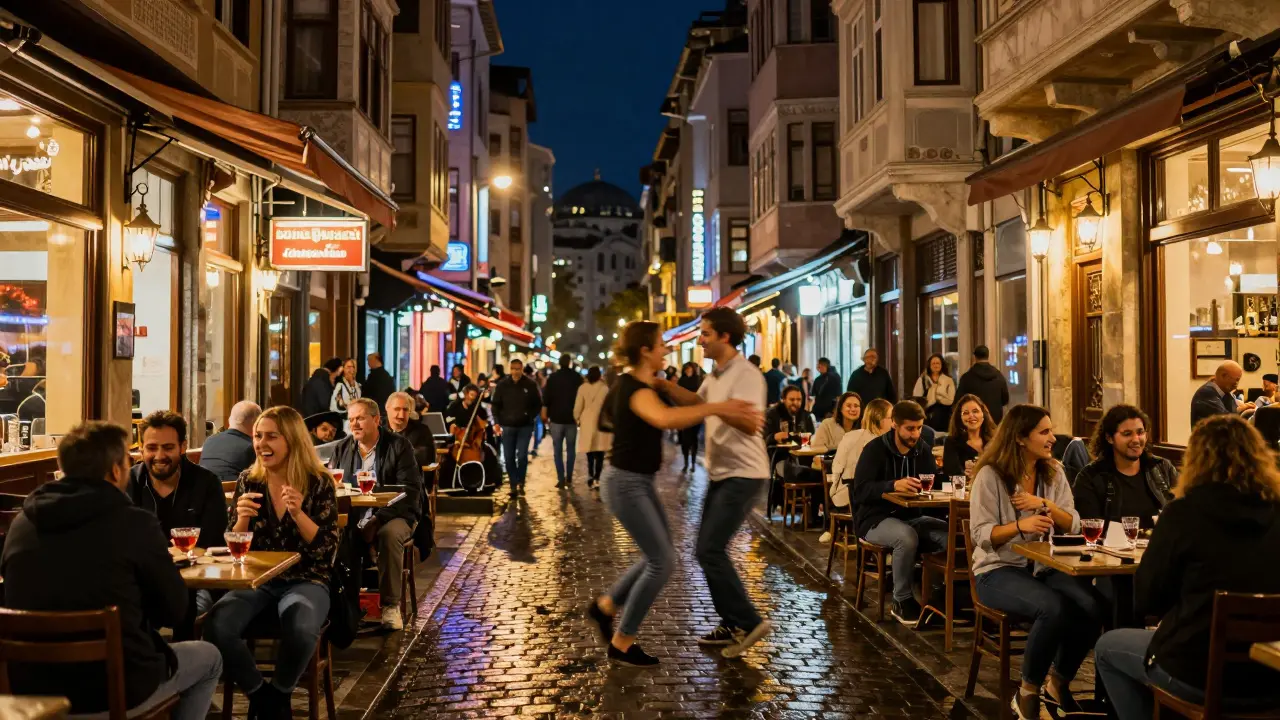
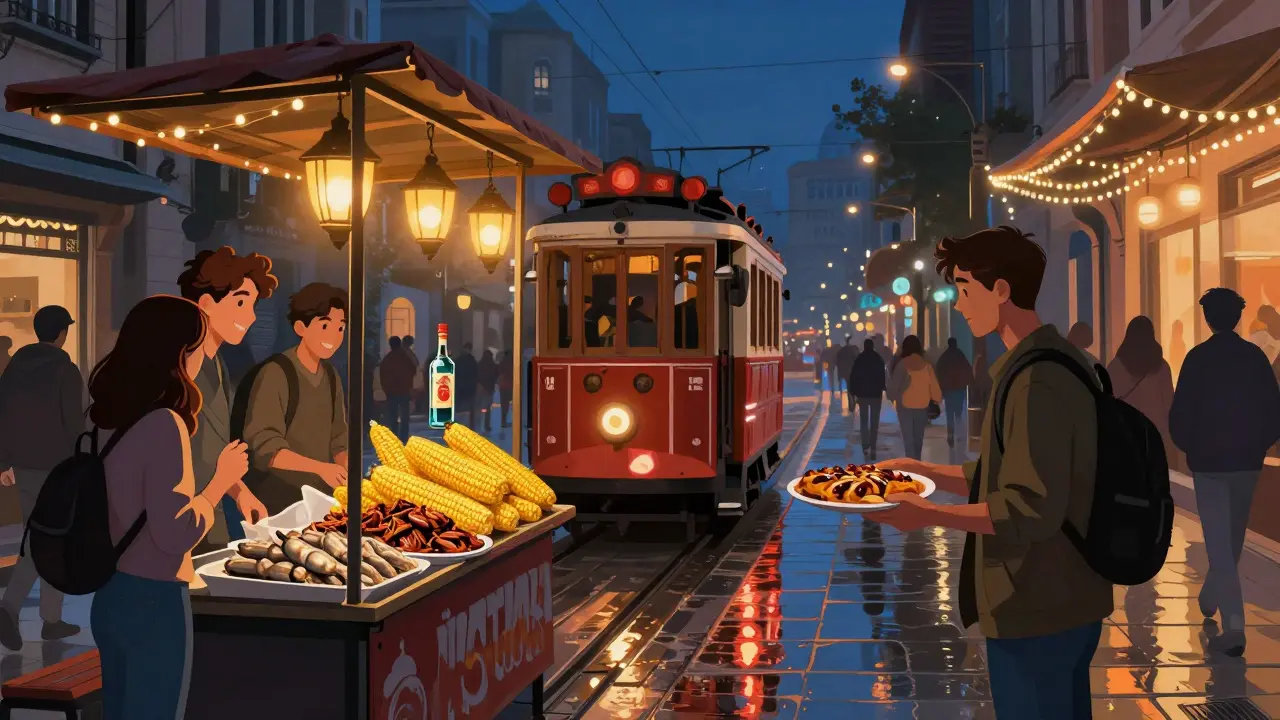
Istanbul’s nightlife doesn’t live in one neighborhood. It pulses in layers. In Beşiktaş, young locals gather at open-air bars along the waterfront, sipping local craft beers while watching ferries glide past the Dolmabahçe Palace. Down in Karaköy, converted Ottoman warehouses now house cocktail lounges with rooftop views of the Golden Horn. But the real heartbeat? İstiklal Caddesi after 11 p.m. The tram still runs, but the crowd shifts-from tourists snapping photos to students laughing over boiled corn and spicy sardines from a cart that’s been there since 1987.
Don’t mistake this for a Western-style club scene. There are no bottle service queues in Istanbul. Instead, you’ll find people lingering for hours, talking, eating, listening. A typical night might start with a glass of ayran at a neighborhood meyhane, move to grilled octopus at a seaside table in Üsküdar, and end with a cup of Turkish coffee and a game of backgammon under a streetlamp in Galata.
The Food That Keeps the Night Alive
Food is the anchor of Istanbul’s night. You don’t go out to eat-you eat to go out. The city’s after-dark dining culture is unmatched. In Çarşı, the heart of Kadıköy on the Asian side, locals line up at 1 a.m. for midye dolma-mussels stuffed with spiced rice, drizzled with lemon and chili flakes. One vendor, Halil Usta, has been serving them since 1972. He doesn’t take reservations. You wait. You talk to the person next to you. You eat.
Then there’s kokoreç, the grilled lamb intestines wrapped in bread, sold from carts that appear like clockwork after midnight. It’s divisive. Some call it the best street food in the world. Others won’t touch it. Either way, it’s a rite of passage. Try it with a squeeze of lime and a side of raw onions. It’s not fancy. It’s real.
For something quieter, head to Çiya Sofrası in Kadıköy. Their late-night menu features regional Anatolian dishes you won’t find anywhere else: stuffed quince, wild herb pies, slow-cooked lamb with pomegranate molasses. The owner, İsmail, serves each dish like a story. He’ll tell you where the herbs were foraged, who taught him the recipe, why the lamb is from a village in Kars. This isn’t dining. It’s memory served on a plate.
The Music That Moves the Streets
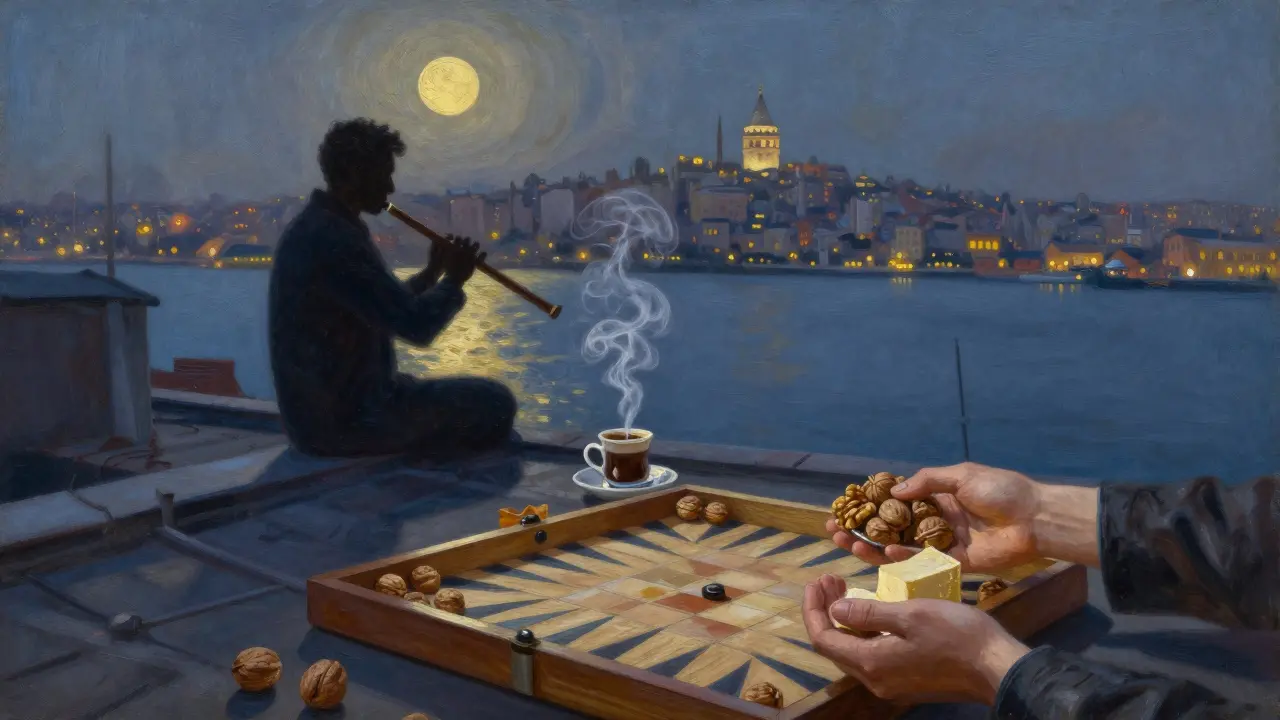
Music in Istanbul’s night doesn’t come from speakers. It comes from the air. In Galata, you’ll hear the haunting sound of the ney from a rooftop whirling dervish performance that starts after midnight. In Karaköy, jazz clubs like Blue Note Istanbul host local musicians who blend Turkish scales with American blues. No cover charge. Just a tip jar and a room full of people swaying in silence.
On weekends, the Beşiktaş Ferry Terminal becomes an open-air stage. A group of students might start playing bağlama (a traditional lute), and within minutes, a crowd forms. Someone brings out a bottle of rakı. Someone else brings out a tray of cheese and walnuts. No one knows each other. By 2 a.m., they’re singing together.
This isn’t a concert. It’s a communal ritual. The music isn’t performed for an audience. It’s shared with one.
Where to Find the Real Nightlife (Not the Tourist Traps)
If you’re looking for neon clubs and EDM DJs, you’ll find them in Nişantaşı or Levent. But those places feel like anywhere else in the world. The real Istanbul night is quieter, older, deeper.
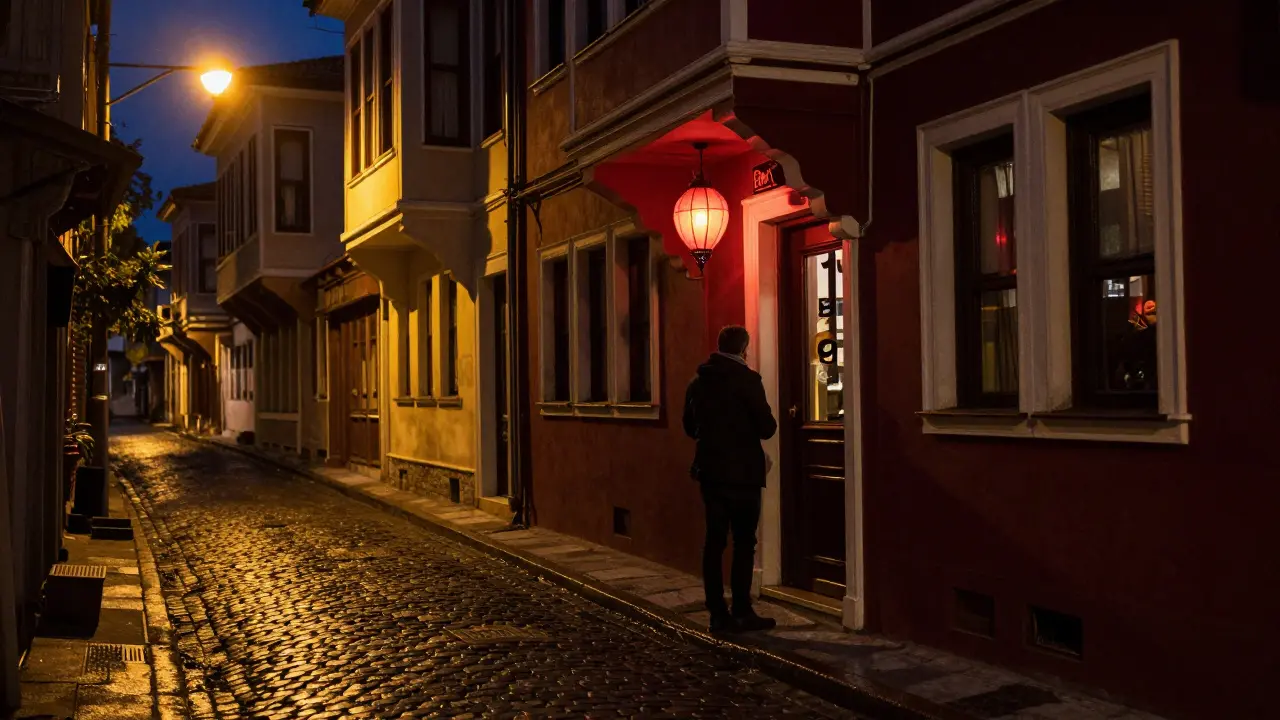
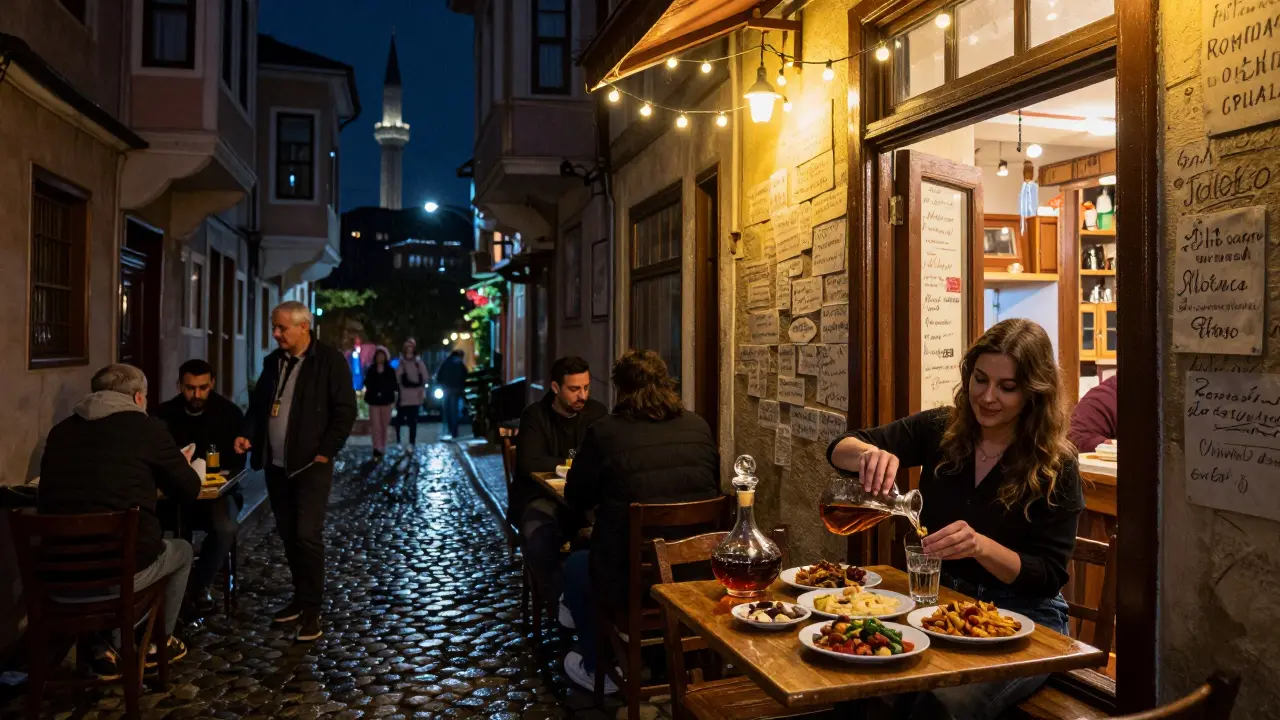
Try Asmalı Mescit in Beyoğlu. It’s a tiny, unmarked bar tucked behind a mosque. No sign. Just a wooden door. Inside, the walls are covered in decades of handwritten notes from patrons. The owner, Ayşe, pours rakı from a glass decanter and asks, “What’s your story tonight?” She remembers everyone. She’ll tell you about the poet who came here every Friday for 22 years, or the German violinist who played for free one winter night and never came back.
Or go to Yeni Lokanta in Balat. It opens at 9 p.m. and closes when the last person leaves-sometimes 5 a.m. The menu changes daily. The chef, Mehmet, walks the market at 6 a.m. to pick fresh herbs. He doesn’t have a website. He doesn’t take credit cards. You pay in cash. You sit at a long wooden table. You eat what’s on the plate. You leave with a full stomach and a new friend.
What to Bring (and What to Leave Behind)
You don’t need a dress code. You don’t need reservations. You don’t need to know the rules. Istanbul’s night doesn’t care about your schedule. It moves at its own pace.
Bring cash. Most places still don’t take cards. Bring a light jacket-even in summer, the Bosphorus wind bites after midnight. Bring curiosity. Leave your expectations at the door.
Don’t rush. Don’t check your phone. Don’t try to see everything in one night. One perfect meyhane, one shared plate, one song sung off-key by strangers-that’s enough.
When the Night Ends
By 4 a.m., the city quiets. The last ferry leaves. The street vendors pack up. The lights in the meyhane dim. But the night doesn’t really end. It lingers-in the taste of rakı on your tongue, in the echo of laughter down a narrow alley, in the way the call to prayer sounds different when you’ve been awake for twelve hours.
Istanbul doesn’t have a nightlife. It has a nightlife rhythm. And if you listen closely, you’ll hear it-not in the music, not in the drinks, but in the quiet moments between people who, for just one night, became part of something older than any club, any bar, any tourist guide.
Is Istanbul nightlife safe for solo travelers?
Yes, Istanbul’s nightlife is generally safe for solo travelers, especially in well-trafficked areas like Beyoğlu, Karaköy, and Kadıköy. The city has a strong sense of community, and locals often look out for strangers. Avoid isolated streets after 2 a.m., and stick to places where locals gather. Public transport runs late, and taxis are affordable and reliable. Trust your instincts-most people you meet will be curious, not threatening.
What’s the best time of year for Istanbul nightlife?
Spring (April to June) and early autumn (September to October) are ideal. The weather is mild, outdoor seating is abundant, and the city feels alive without the summer crowds. Summer can be hot and packed, while winter nights are quieter but still rich with cozy meyhanes and indoor music spots. Avoid major holidays like Ramadan, when many places close early or operate on reduced hours.
Do I need to know Turkish to enjoy Istanbul’s nightlife?
No, but a few basic phrases go a long way. Saying "Teşekkür ederim" (Thank you) or "Lütfen" (Please) earns smiles. Many bartenders and servers in tourist areas speak English, but in local spots like Balat or Üsküdar, gestures and a willingness to point at menus work better than words. The food, music, and atmosphere don’t need translation.
How much should I budget for a night out in Istanbul?
You can have a full night out for under 200 Turkish lira (about $6 USD). A plate of meze and a glass of rakı costs 80-120 lira. A taxi across the city is 50-80 lira. Street food like kokoreç or midye dolma runs 20-40 lira. High-end cocktail bars or live music venues may charge more, but the real magic happens in the unmarked places where prices are low and the company is priceless.
Are there any cultural rules I should follow at night?
Yes. Dress modestly in religious neighborhoods like Üsküdar or Fatih. Avoid public drunkenness-it’s not illegal, but it’s frowned upon. Never refuse food or drink offered by a host; it’s a sign of respect. If you’re invited to join a table, say yes. And never rush someone during a meal or conversation. Time moves differently here. Let the night move with you.