The Best of Monaco's Nightlife: A Local's Perspective
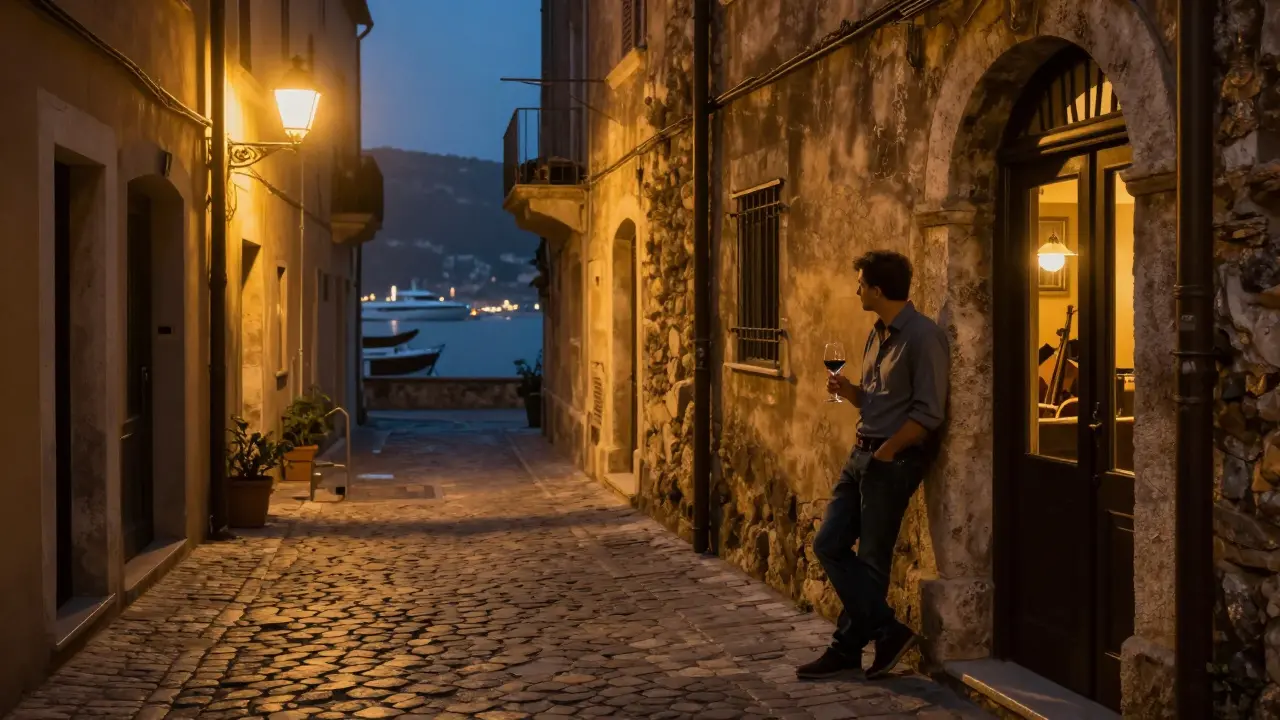
Monaco isn’t just about casinos and yachts. If you’ve only seen the postcard version of its nightlife, you’ve missed the real pulse of the place. The glittering strip of the Port Hercules, the dimly lit jazz lounges tucked behind stone arches, the rooftop bars where the Mediterranean breeze mixes with champagne bubbles - this is where the locals go when the tour buses leave. And no, you won’t find it on Instagram ads or travel blogs written by people who stayed one night at the Fairmont. This is what actually happens after dark in Monaco, straight from someone who’s lived here long enough to know which door opens only for regulars.
It Starts With the Right Neighborhood
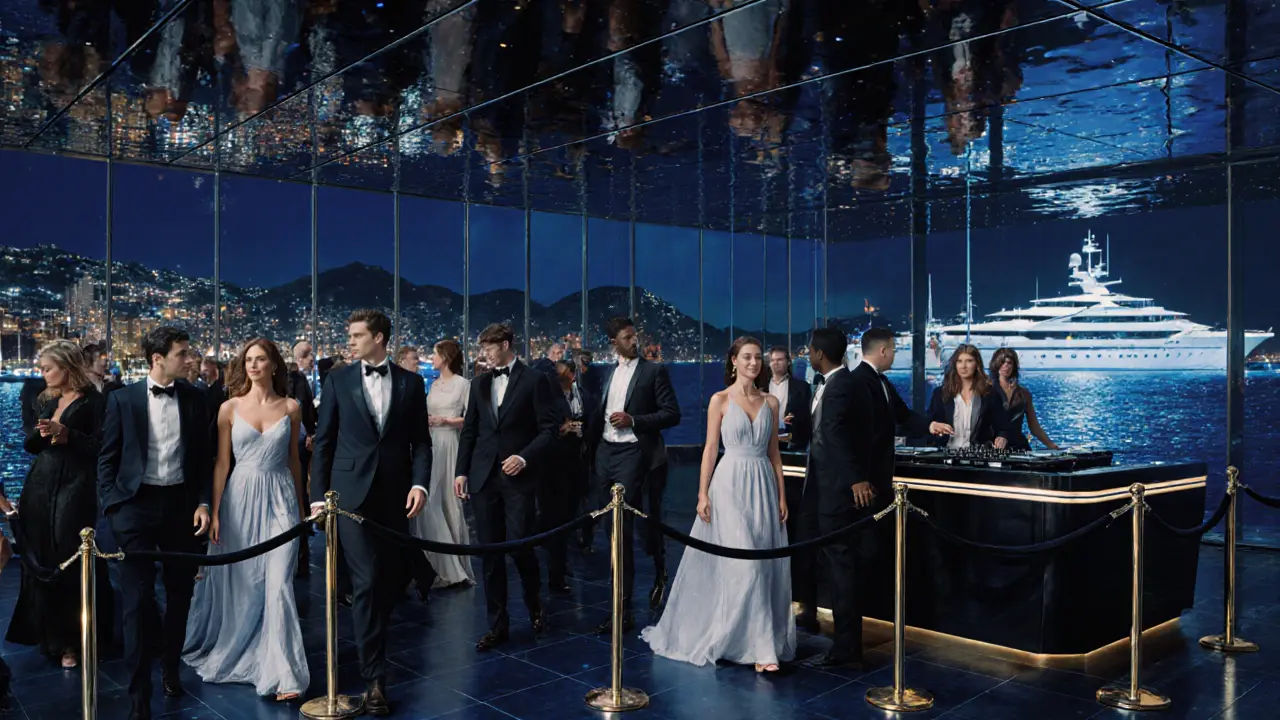
Monte Carlo gets all the attention, but the real nightlife isn’t just on the Casino Square. Head to La Condamine after 10 p.m. and you’ll find a crowd that’s younger, looser, and way more authentic. This is where the local bartenders, artists, and offshore crew unwind. The streets here aren’t lined with Rolex boutiques - they’re lined with unmarked doors leading to speakeasy-style bars like Le Club and Bar des Pêcheurs. No bouncers in suits. No velvet ropes. Just a guy behind the counter who nods if you’ve been before.
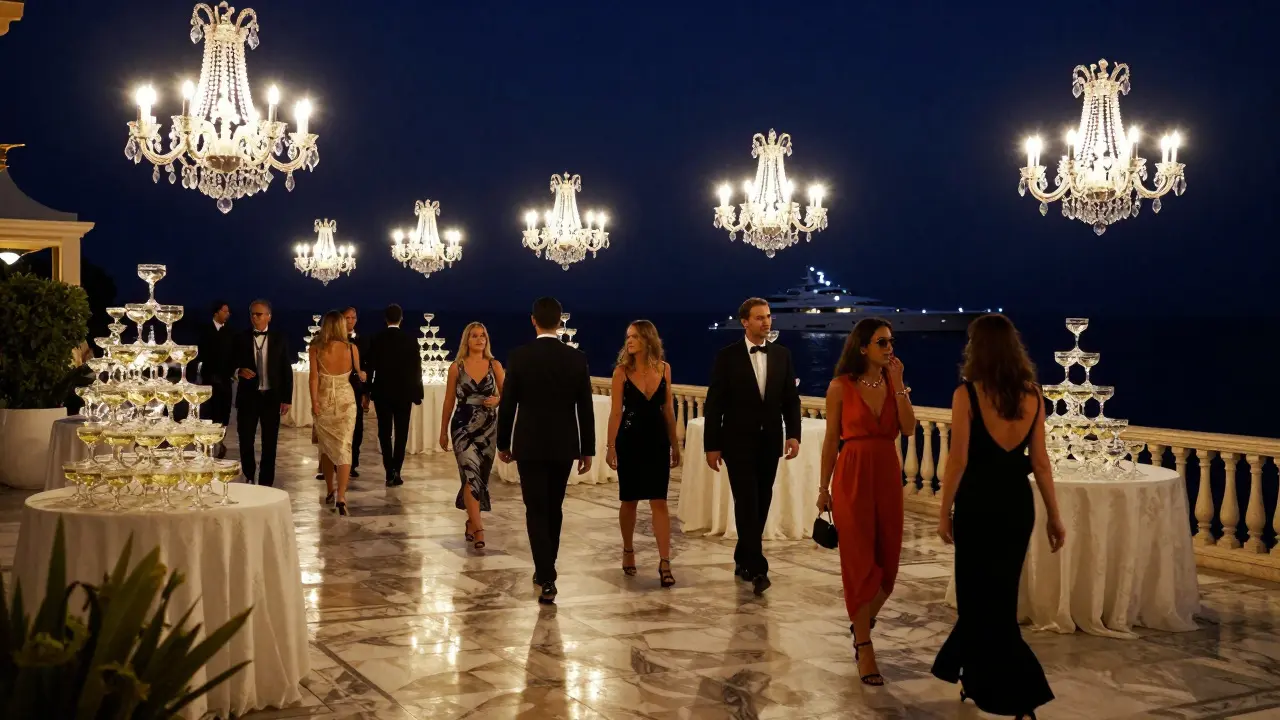
Don’t waste time at the overpriced clubs that charge €150 just to walk in. Most of them are owned by the same companies that run the casinos. The real energy is in places like La Terrasse, a rooftop bar above a parking garage near the old port. It doesn’t have a sign. You find it by following the bassline. The view? A 180-degree sweep of the harbor, the lights of Nice in the distance, and the occasional yacht idling just offshore. The drinks? €12 for a gin and tonic made with local lavender syrup. No one’s taking photos. Everyone’s just talking.
The Club Scene Isn’t What You Think
Yes, there are clubs. But Monaco’s club scene doesn’t run on fame or celebrity sightings. It runs on music. The big names - like Le Palace and Mokara - do draw international DJs, but they’re not the heartbeat. The heartbeat is in the underground venues that don’t even have websites. Take Le 13, a former 1970s disco turned underground techno space under the railway tracks near Fontvieille. It opens at midnight, closes at 5 a.m., and has no cover charge. You’ll see engineers from the Monaco Oceanographic Institute dancing next to a retired Formula 1 mechanic. No VIP section. No bottle service. Just a single DJ spinning vinyl from a booth made of reclaimed wood.
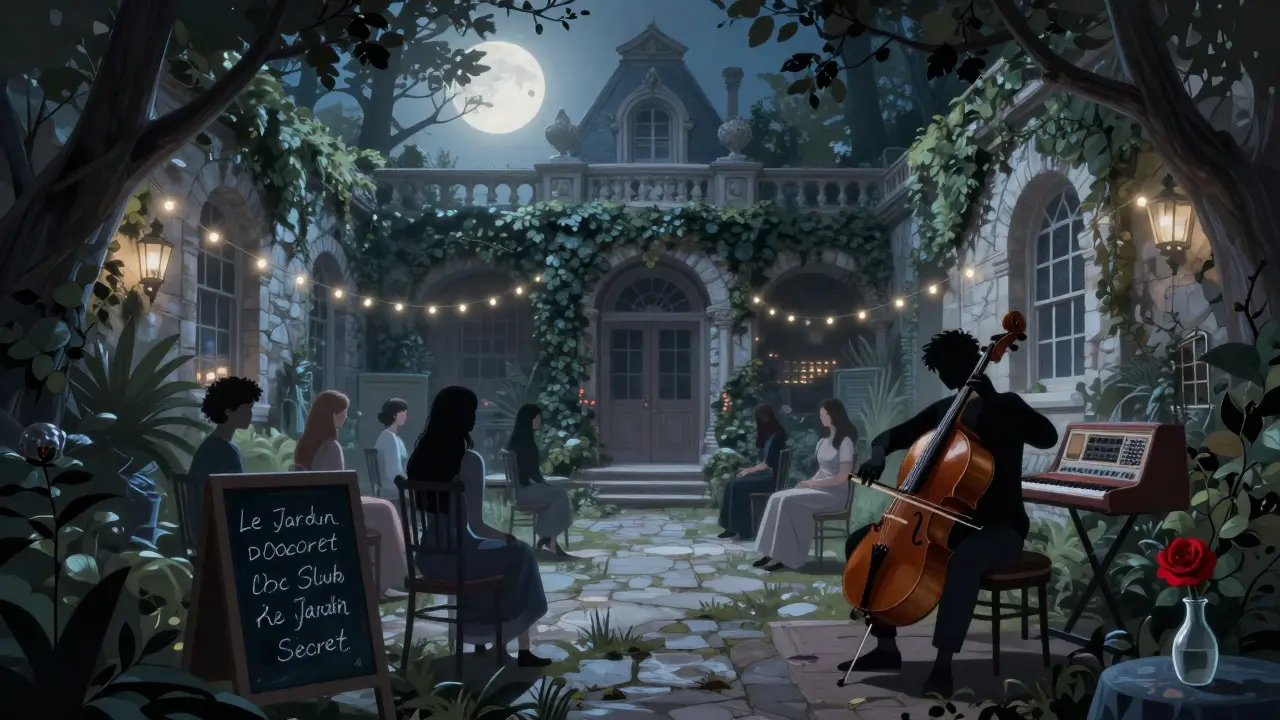
And then there’s Le Jardin Secret, a hidden garden club behind the old casino. You need a password. You get it by texting a number posted on the bulletin board at Café de Paris at 7 p.m. The password changes every Friday. It’s not about exclusivity - it’s about trust. The music here is experimental: live cello mixed with analog synths, ambient loops from old Monaco radio broadcasts. It’s not loud. It’s haunting. And it’s the only place in Monaco where you’ll hear a local musician play a jazz version of the Monaco national anthem.
Where the Locals Eat After Midnight
Most visitors think Monaco’s nightlife ends with cocktails. Locals know it begins with food. The best late-night bites aren’t at Michelin-starred restaurants. They’re at La Cantine, a 24-hour trattoria tucked under the railway bridge near the train station. It’s got plastic chairs, flickering fluorescents, and a menu written in chalk. The specialty? Barbajuan - fried parcels of spinach, ricotta, and leeks, served with a side of garlic aioli. You can get two for €8. They’re so good, even the cops stop by after their shifts.
Another spot? Le Bistrot du Port. It’s not fancy. Just a long counter, a few stools, and a guy named Jean who’s been flipping burgers here since 1987. He serves them with fries dipped in truffle oil and a side of local rosé on tap. The wine costs €6 a glass. You don’t order it - you just say, “Jean, the usual.” He knows what that means.
The Rules No One Tells You
Monaco has rules. Not written ones. The kind you learn by watching. Here’s what actually matters:
- No photos at the clubs. If you pull out your phone at Le 13 or Le Jardin Secret, you’ll be asked to leave. It’s not about privacy - it’s about keeping the vibe real. People come here to disappear.
- Don’t wear sneakers. Not even “designer” ones. The dress code here isn’t about luxury - it’s about effort. Think dark jeans, a button-down, and polished shoes. Even if you’re just going for a drink.
- Arrive late. If you show up at 10 p.m., you’re early. Most places don’t fill up until after midnight. The early crowd is tourists. The real crowd arrives when the casino closes.
- Tip in cash. Credit cards are accepted, but locals always leave a €5 or €10 bill on the table. It’s not about the money - it’s about saying thanks without words.
- Don’t ask for the menu. At Le Bistrot du Port or La Cantine, the menu doesn’t change. The chef knows what you want before you sit down. Just smile. Say yes.
The One Place That Still Feels Like Monaco
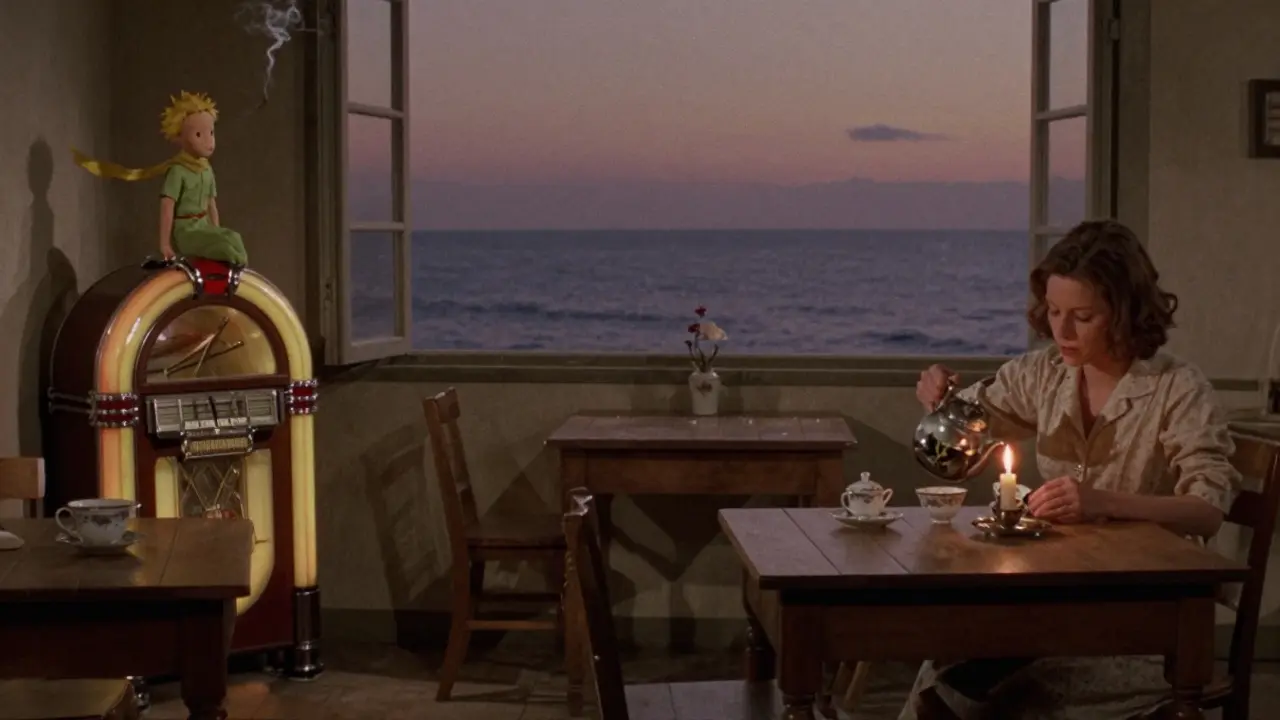
There’s a bar called Le Petit Prince on Rue des Plaisirs. It’s tiny. Four tables. A jukebox from 1968. A sign that says “No Tourists - Only Friends.” You don’t find it on Google Maps. You find it because someone whispered its name to you after three glasses of wine.
The owner, a woman named Claudine, has been running it since 1972. She doesn’t serve cocktails. She serves stories. Ask her about the time a prince came in disguised as a fisherman. Or how she once hosted a jazz session with a saxophonist who’d just escaped from a Soviet prison. She doesn’t talk about fame. She talks about music. About silence. About how Monaco used to be.
On Friday nights, she plays a single record: “La Vie en Rose” by Édith Piaf. No one dances. No one talks. Everyone just listens. And for ten minutes, Monaco feels like it did before the billionaires moved in - before the yachts, before the headlines, before the world started watching.
What Happens When the Sun Rises
The night doesn’t end with a club closing. It ends with a quiet walk along the Promenade du Larvotto. At 4 a.m., the streets are empty. The air smells like salt and diesel. You’ll see a few locals - a couple holding hands, a man feeding pigeons, a woman in a fur coat smoking a cigarette and staring at the sea.
That’s the real Monaco nightlife. Not the flashing lights. Not the VIP tables. Not the Instagram posts. It’s the quiet moments after the music stops. The places that don’t advertise. The people who don’t care if you’re rich. And the nights that don’t end - they just fade, slowly, into the dawn.
Is Monaco’s nightlife safe at night?
Yes, Monaco is one of the safest cities in Europe after dark. The police presence is high, and crime is extremely rare. But safety doesn’t mean you should ignore local customs. Avoid flashing cash, don’t wander into unfamiliar alleys alone, and never argue with a bouncer - even if you think you’re right. Most incidents happen when tourists misunderstand the unspoken rules, not because of danger.
Can tourists visit the underground clubs?
Yes - but not the way you think. You don’t need a reservation or an invite. You just need to show up, behave, and respect the space. At places like Le 13 or Le Jardin Secret, the staff will notice if you’re trying too hard to fit in. Be calm. Be quiet. Order a drink. Listen. If you’re genuine, you’ll be welcomed. If you’re there to take photos or brag later, you’ll be asked to leave - politely, but firmly.
Are there any free events in Monaco’s nightlife?
Absolutely. Every Thursday, the Port Hercule hosts an open-air jazz session called Soirées du Port. No tickets. No cover. Just chairs, a small stage, and local musicians playing from 9 p.m. to midnight. It’s not advertised online. You’ll see flyers on the bulletin board near the fish market. Locals bring wine in brown paper bags. Tourists bring cameras. The locals win.
What’s the best time of year for nightlife in Monaco?
Late May to early October. The weather is perfect, the harbor is alive, and the clubs are fully open. June and September are the sweet spots - busy enough to feel electric, but not packed with tourists. Avoid April and November. Many places close for the off-season. And don’t come during the Grand Prix - the city turns into a VIP circus. You won’t see the real Monaco then.
Do I need to speak French to enjoy Monaco’s nightlife?
Not at all. English is widely spoken, especially in bars and clubs. But if you try even a little French - “Merci,” “S’il vous plaît,” “Une bière, s’il vous plaît” - you’ll get treated differently. Locals appreciate the effort. It’s not about fluency. It’s about respect. And in Monaco, respect opens doors that money can’t.