Istanbul's Nightlife: Where the Bosphorus Comes Alive After Dark
When the sun sets over the Bosphorus, Istanbul doesn’t sleep-it transforms. The city’s nightlife isn’t just about drinking or dancing. It’s about the rhythm of centuries colliding: the call to prayer fading into bass-heavy beats, the scent of grilling kebabs mixing with cigarette smoke and perfume, strangers becoming friends over rakı under string lights. This isn’t a tourist show. This is the real pulse of Istanbul, the part locals live for.
The Streets of Beyoğlu: Where the Night Begins
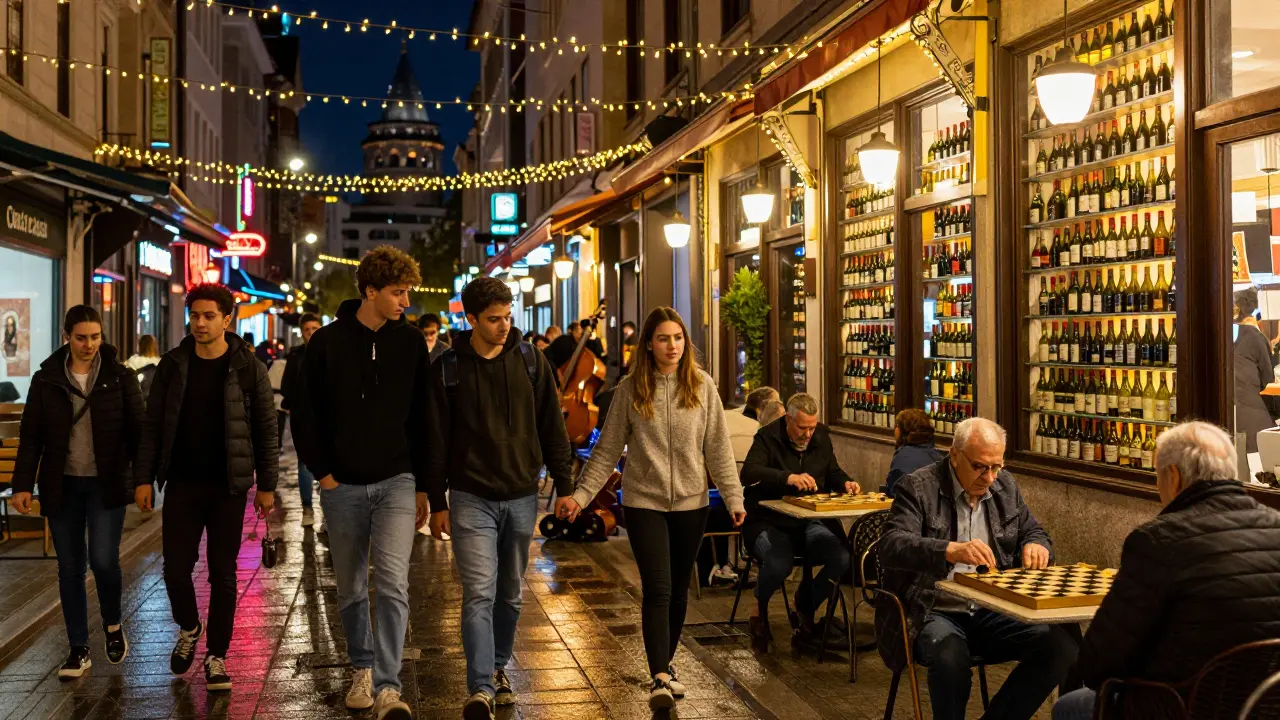
Beyoğlu, especially İstiklal Avenue and its side alleys, is where the night kicks off. By 9 p.m., the street is packed-not with tour groups, but with students in hoodies, couples holding hands, older men arguing over chess at sidewalk tables. The music spills out of hidden venues: jazz from a basement bar called Karaköy Live, electronic beats from Klub, and live bağlama from a tiny spot called Çiçek Pasajı, where the walls are lined with wine bottles from the 1970s.
You don’t need to book a table here. Just walk. Let your ears guide you. One night, you might end up in a 1920s-style speakeasy behind a fridge door in a grocery store. The next, you’re dancing on a rooftop with the skyline of Üsküdar glowing behind you. The energy is loose, unpredictable, and deeply Turkish. No one rushes you. No one pushes you to buy a drink. You’re welcome to sit, watch, and listen.
The Bosphorus After Midnight
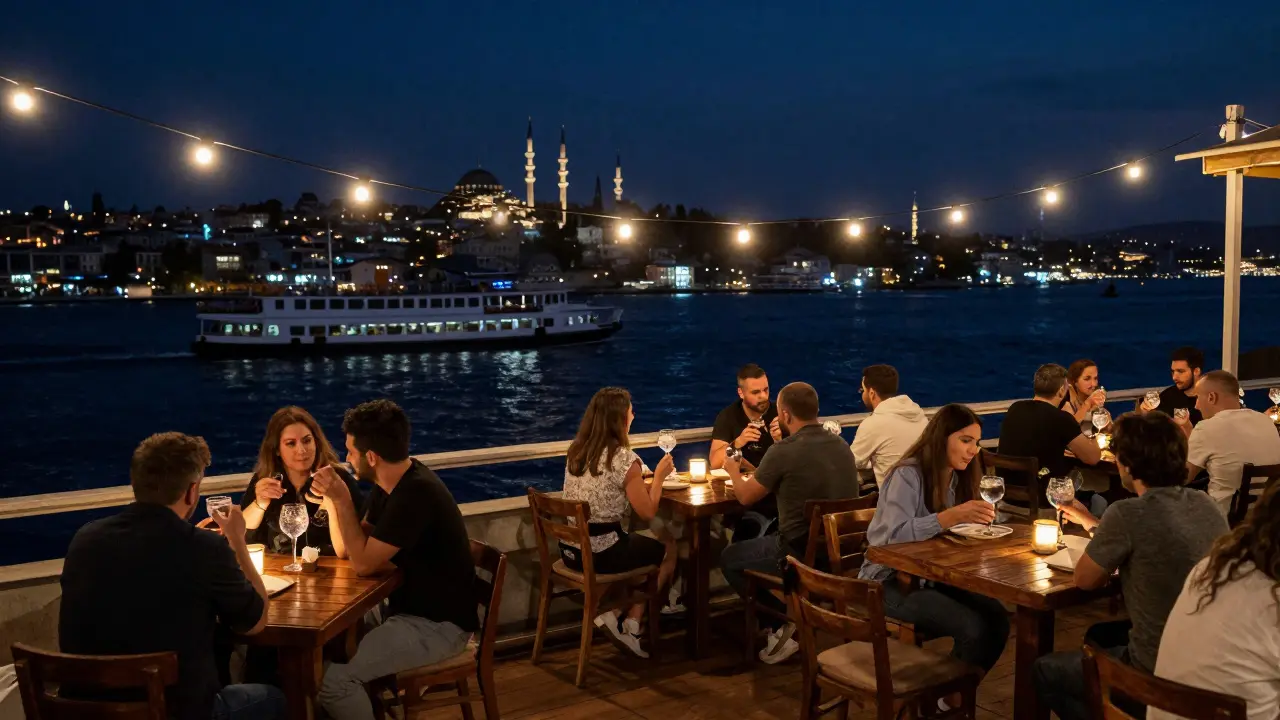
Head to the Asian side-Kadıköy-and you’ll find a different kind of night. Here, the nightlife is quieter, more intimate. Fish restaurants like Çarşı stay open until 4 a.m., serving grilled mackerel and cold beer under paper lanterns. Locals come here after work, not to party, but to talk. The conversations last longer than the drinks. You’ll hear stories about the 1990s, about the earthquakes, about who opened the first rooftop bar in the neighborhood.
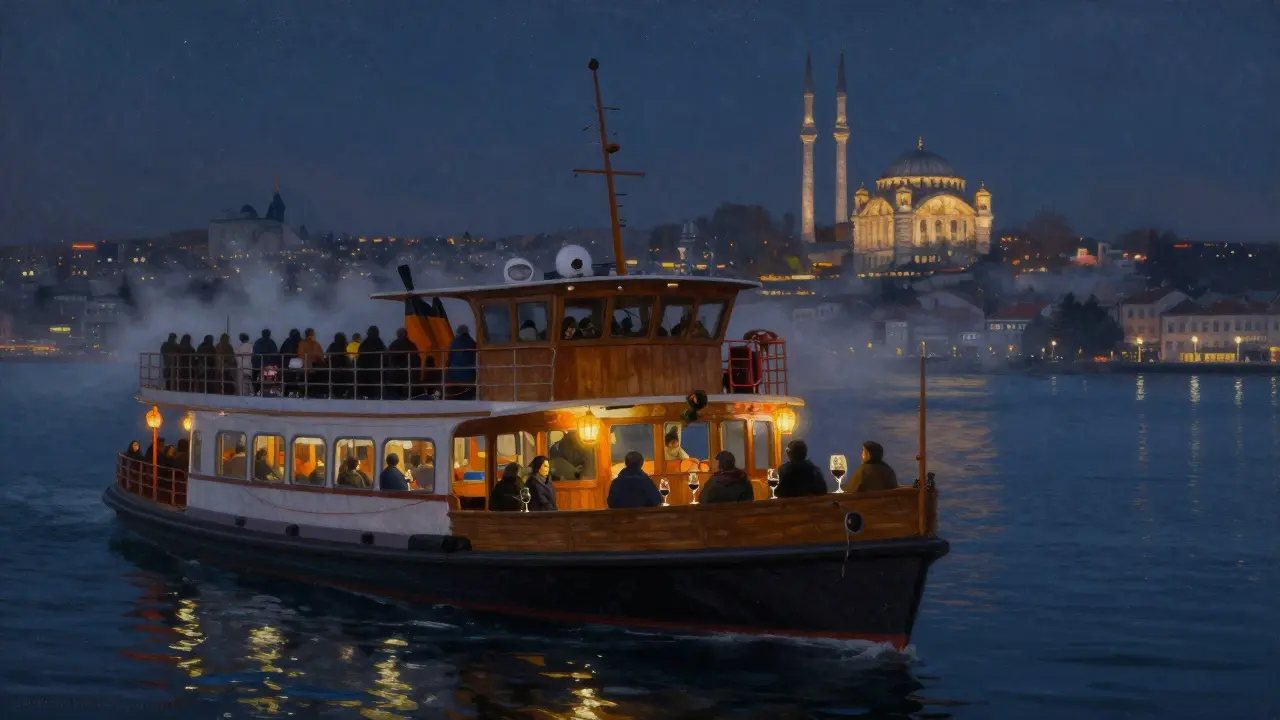
On weekends, boats with live music drift along the Bosphorus. Not the flashy tourist cruises with disco lights, but small wooden ferries converted into floating bars. You hop on at Bebek, sip a glass of local wine, and watch the lights of Ortaköy Mosque blink past. The water reflects the city like a second sky. No one takes photos. Everyone just sits. It’s the most peaceful part of Istanbul’s night.
The Underground: Clubs That Don’t Advertise
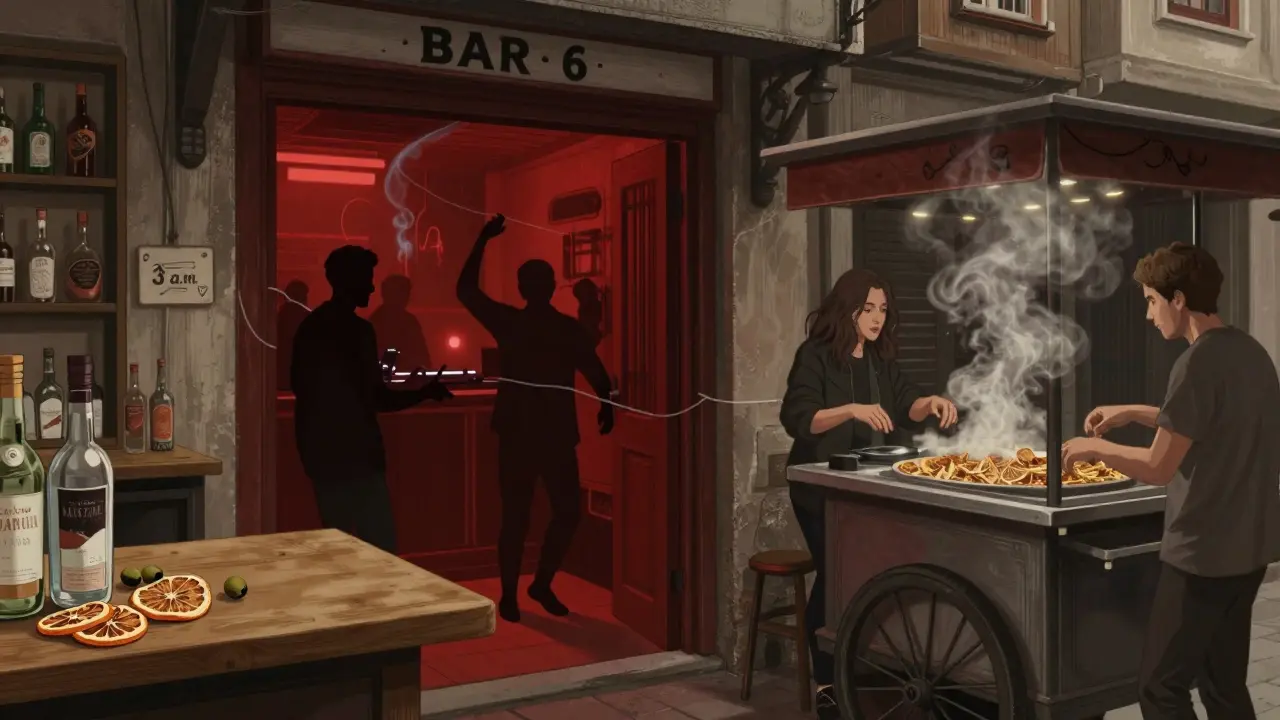
Some of Istanbul’s best clubs don’t have Instagram pages. They don’t even have signs. You find them through word of mouth. Bar 6, tucked under a bridge in Karaköy, has no name on the door-just a red light. Inside, the walls are painted black, the sound is deep house, and the crowd is a mix of artists, DJs, and expats who’ve lived here for ten years. Cover? Usually nothing. Drinks? Around 25 Turkish lira. The bouncer knows your face by the third visit.
Then there’s Mezcal in Nişantaşı, where mezcal shots are served with dried orange peel and a single olive. The music? Psychedelic rock mixed with Turkish folk samples. The crowd? Mostly women in their 30s, laughing loudly, not caring who hears. These places aren’t for Instagram. They’re for memory.
Food That Keeps the Night Going
You can’t talk about Istanbul’s nightlife without talking about the food. At 2 a.m., when the clubs start to thin out, people head to the kebab joints that never close. Çiya Sofrası in Kadıköy serves lamb kebabs with pomegranate molasses until 5 a.m. The owner, Mehmet, remembers every regular. He knows if you take your meat with extra onions or if you always order the stuffed mussels.
And then there’s the simit carts. The ones that roll out at 3 a.m. with warm sesame bread and fresh cheese. You buy one, eat it standing up, and watch the city exhale. These aren’t tourist traps. These are lifelines. They’re what keeps the night alive for the people who make it happen-the waiters, the drivers, the cleaners, the musicians.
What Makes Istanbul’s Nightlife Different?
Unlike other global cities, Istanbul’s night doesn’t have one scene. It has dozens. You can go from a high-end cocktail bar in Nişantaşı to a back-alley folk music session in Balat-all in one night. There’s no single rule. No dress code. No bouncer turning you away because you’re wearing sneakers.
The city’s history shapes this. Ottoman coffee houses, Byzantine taverns, Soviet-era jazz clubs, 1980s punk dens-all still echo in the spaces where people gather now. It’s not about being trendy. It’s about being present. You don’t come to Istanbul’s nightlife to be seen. You come to feel something real.
When to Go and What to Expect
Weekends are loud. Weeknights are deeper. If you want energy, come Friday or Saturday. If you want connection, come Wednesday or Thursday. The summer months-June to August-are when the city feels like it’s breathing again after the heat. Winter nights are colder, but quieter. That’s when the real regulars show up.
Don’t expect 24-hour clubs like in Berlin or Miami. Istanbul’s night ends around 4 a.m. Most places close by then. But the city doesn’t end. The coffee shops open. The street cleaners start their rounds. The night shifts begin. And if you’re lucky, you’ll find someone sitting on a bench near the Galata Tower, still awake, still talking.
What to Avoid
Don’t go to the tourist traps on İstiklal Avenue after 11 p.m. unless you want overpriced drinks and loud, generic pop music. The clubs that advertise heavily on TikTok? They’re usually the same ones that play the same EDM tracks every night. Skip them.
Don’t assume everyone speaks English. Learn a few Turkish phrases: "Teşekkür ederim" (thank you), "Bir şey değil" (it’s nothing), "Ne var ne yok?" (what’s up?). You’ll get more smiles than you will from a $15 cocktail.
And never, ever try to argue with a bouncer. They’re not rude. They’re just protecting their space. If they say no, walk away. There’s always another door.
Final Thought: The Night Belongs to the People
Istanbul’s nightlife isn’t owned by clubs or brands. It’s owned by the people who show up, night after night, rain or shine. It’s the woman who sings Turkish folk songs in a basement bar because she misses her grandmother’s voice. It’s the old man who plays the ney flute outside the Spice Bazaar every Friday. It’s the group of university students who meet every Tuesday to drink tea and write poetry.
You can’t plan this. You can’t book it. You can only show up, listen, and let the city take you where it wants to go.
Is Istanbul nightlife safe for tourists?
Yes, Istanbul’s nightlife is generally safe for tourists, especially in areas like Beyoğlu, Kadıköy, and Ortaköy. The streets are well-lit, police patrols are common on weekends, and locals are often helpful. Avoid poorly lit alleys after midnight, don’t carry large amounts of cash, and trust your instincts. Violent incidents are rare, but petty theft can happen in crowded areas-keep your phone and wallet secure.
What’s the best time of year for Istanbul nightlife?
Late spring through early autumn-May to October-is ideal. The weather is mild, outdoor venues are open, and the city feels alive. Summer nights are warm enough for rooftop bars and boat parties. Winter nights are quieter but more intimate, with cozy underground spots and warm drinks. Avoid late December to early February if you want to experience the full energy of the scene.
Do I need to dress up for Istanbul nightclubs?
Not really. Most places have no strict dress code. Jeans and a nice shirt are fine. In upscale areas like Nişantaşı, you might see people in dresses or blazers, but no one will turn you away for wearing sneakers. The only exception is a few high-end lounges that might ask for closed-toe shoes. Comfort matters more than fashion here.
Can I find vegan or vegetarian options in Istanbul nightlife spots?
Absolutely. Many bars and restaurants now offer vegan mezes, grilled eggplant, stuffed grape leaves, and lentil stews. Places like Vege in Kadıköy and Yeniköy in Bebek have full vegan menus. Even traditional kebab spots can make veggie versions of their dishes if you ask. The city has a strong tradition of plant-based eating-this isn’t a trend, it’s heritage.
Are there any quiet spots for a drink without loud music?
Yes. Head to Bar 1900 in Beyoğlu for old-world charm and jazz. Or try Tea House in Cihangir, where the music is soft Turkish ballads and the lighting is dim. In Kadıköy, Çiçek Pasajı has quiet corners where you can sip rakı and listen to live bağlama without dancing. These spots are perfect for conversation, not clubbing.