Istanbul's Nightlife: A Melting Pot of Cultures and Experiences
When the sun sets over the Bosphorus, Istanbul doesn’t sleep-it transforms. The city’s nightlife isn’t just about drinking or dancing. It’s a living mosaic of sounds, smells, and stories pulled from centuries of trade, migration, and rebellion. Walk through Beyoğlu after midnight and you’ll hear Arabic oud blending with electronic beats, smell grilled mackerel from a street cart next to a craft cocktail bar, and see grandmothers sipping tea on a rooftop while young artists spin vinyl in a basement club. This isn’t a tourist show. It’s real life, layered and loud.
Where the Old Meets the New
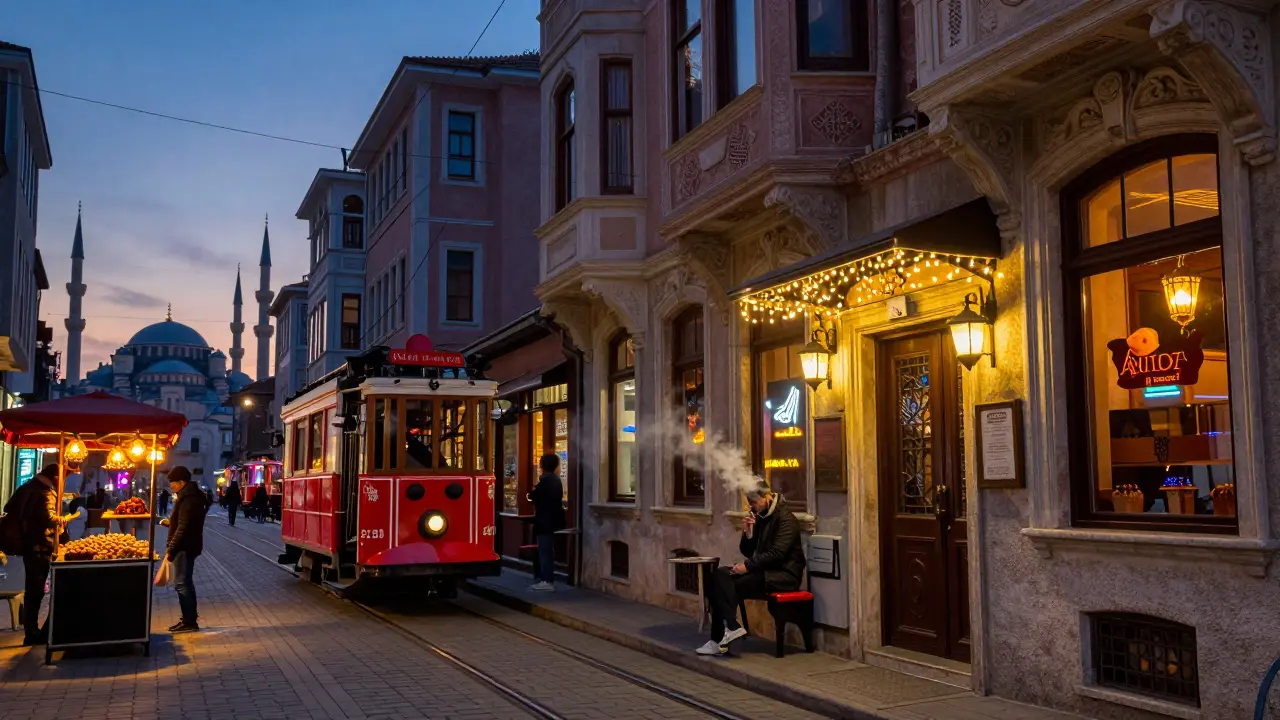
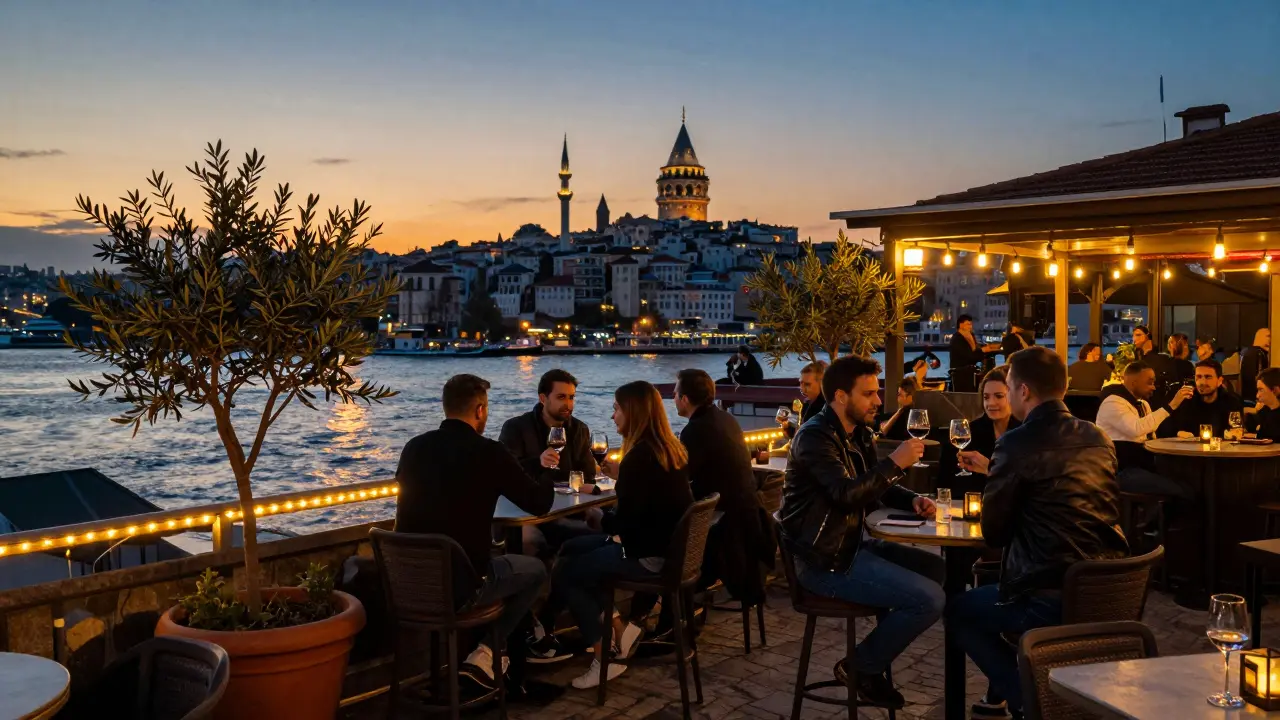
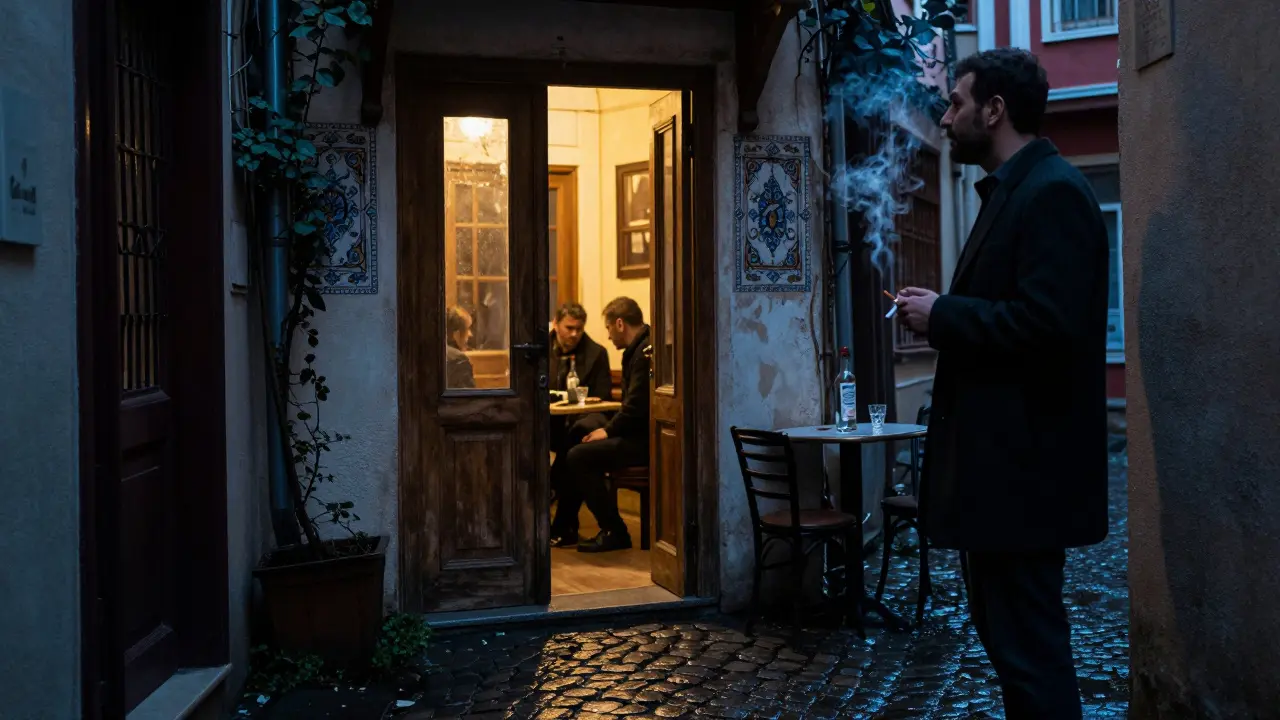
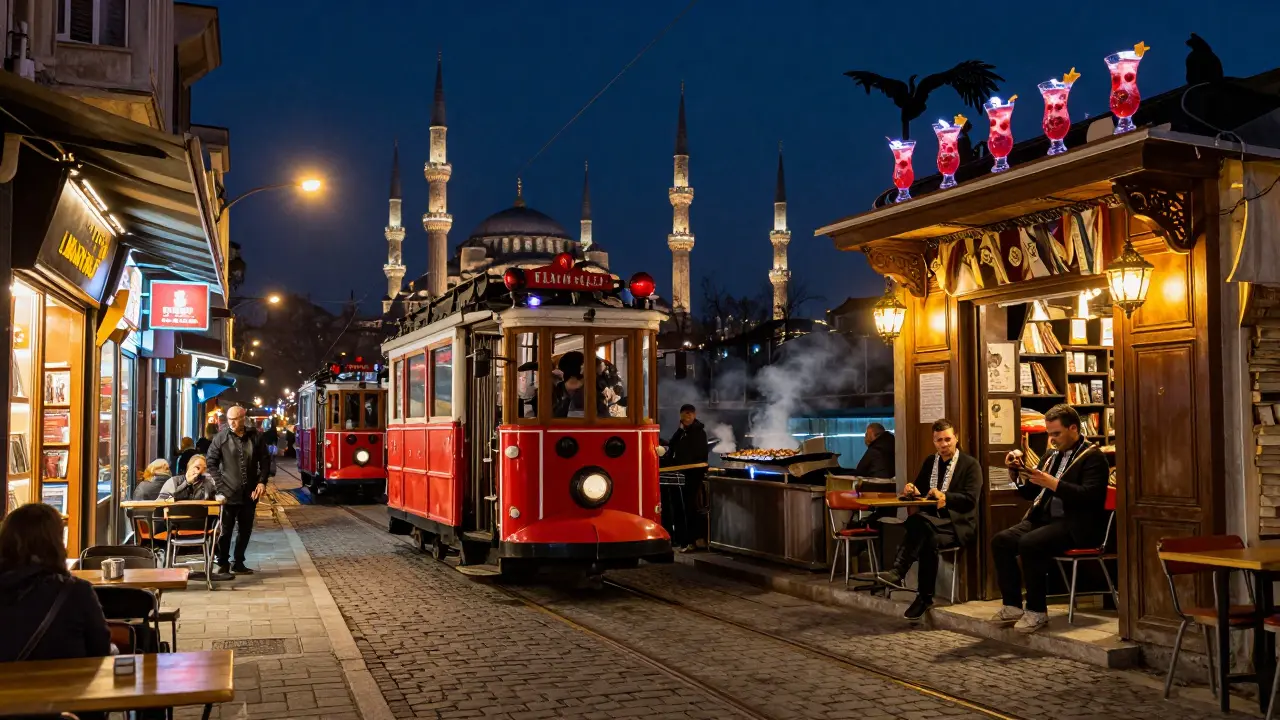
İstiklal Caddesi, the long pedestrian street that cuts through Beyoğlu, is the spine of Istanbul’s night. It’s lined with historic trams, neon-lit bookstores, and century-old cafés that still serve Turkish coffee the way they did in 1920. But step into any side alley, and you’ll find something else entirely. A hidden jazz lounge under a 19th-century pharmacy. A Kurdish folk band playing in a converted tailor shop. A rooftop bar with views of the Blue Mosque where the bartender mixes gin with rosewater and sumac.
There’s no single "Istanbul night." What works in Kadıköy won’t work in Beşiktaş. In Kadıköy, on the Asian side, the vibe is quieter, more local. You’ll find students drinking craft beer at İstiklal’s lesser-known cousin, Bar 1914, or listening to indie rock in a bookstore-turned-venue. In Beşiktaş, the energy is more political, more punk. The clubs here don’t just play music-they host spoken word nights, protest poetry readings, and underground film screenings. The city’s nightlife doesn’t ignore its history. It argues with it.
From Ottoman Harems to Underground Clubs
Istanbul’s night culture didn’t start with DJs and neon signs. It began with meyhanes-traditional taverns where men gathered to drink rakı, eat meze, and talk politics. These places still exist, but now they share space with something new: LGBTQ+ safe spaces, immigrant-run speakeasies, and feminist collectives hosting open mics. In the 1980s, many clubs were shut down under moral crackdowns. Today, they’ve come back, louder and more diverse. The queer nightlife scene, once forced underground, now thrives in places like Bar 1914 and La Vie, where drag performers and refugees from Syria and Iran share the same stage.
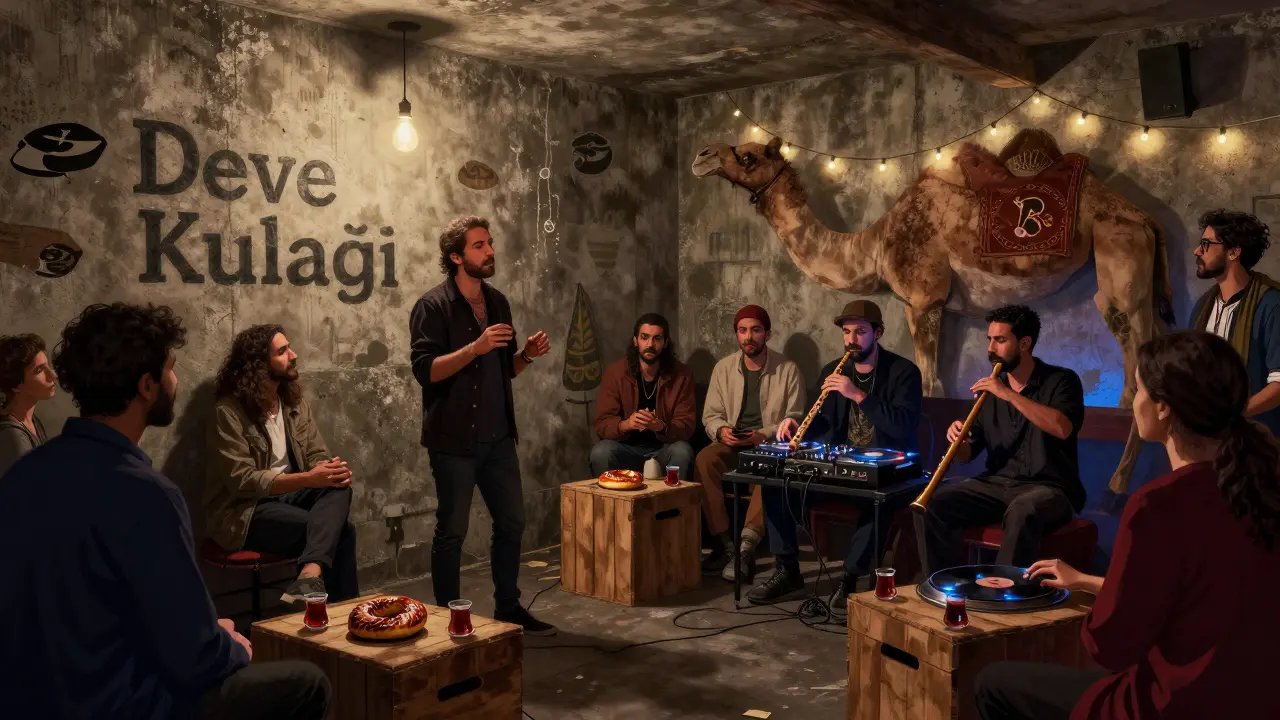
Some of the most unforgettable nights happen in converted warehouses along the Golden Horn. These aren’t the flashy clubs you see on Instagram. They’re raw, unpolished, and run by artists who don’t care about trends. One such spot, Deve Kulağı, used to be a camel stable. Now it hosts experimental noise concerts and midnight poetry readings. No cover charge. No dress code. Just a door, a light, and a crowd that stays until dawn.
Food That Keeps the Night Alive
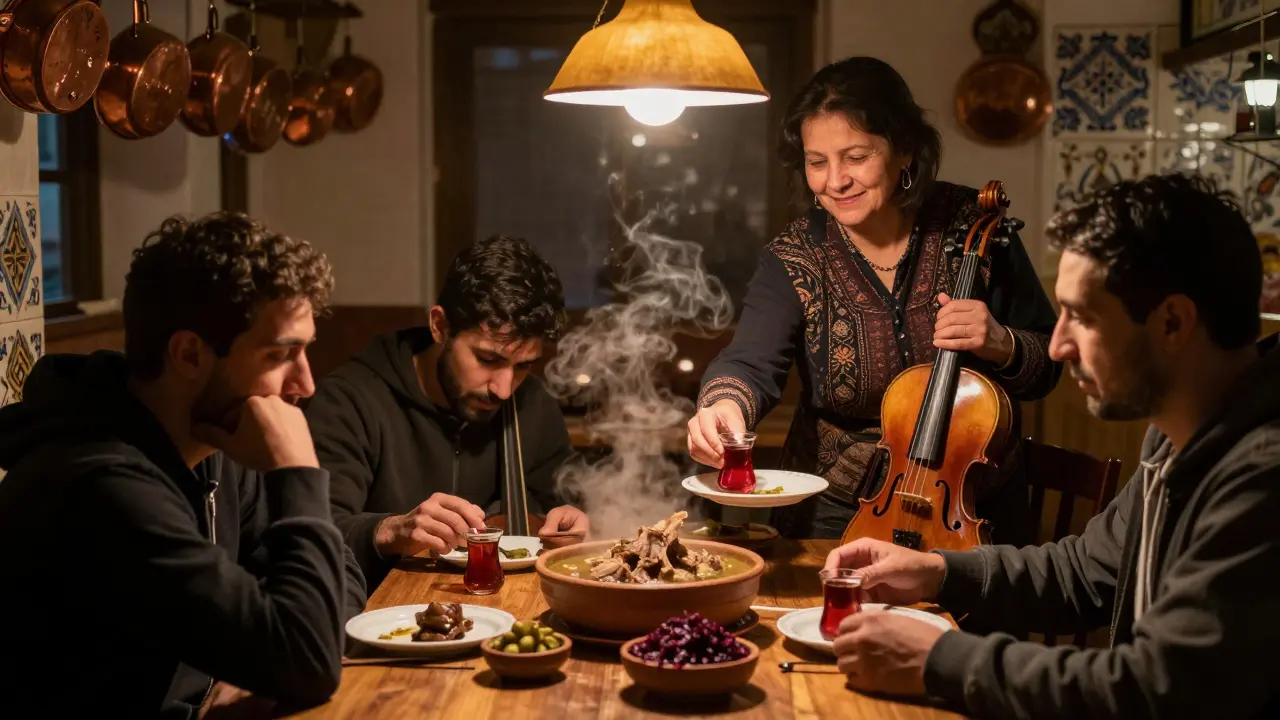
You can’t talk about Istanbul’s nightlife without talking about the food. Unlike cities where nightclubs dominate, here, eating is part of the rhythm. Around 2 a.m., the city doesn’t shut down-it switches to kebab mode. The street vendors at Çarşamba Pazarı are still flipping lahmacun, their hands moving fast under the orange glow of the lamps. Fish sandwiches from the Galata Bridge are still being sold by men who’ve been doing it for 40 years. And if you’re lucky, you’ll stumble upon a hidden lokanta serving lamb stew and pickled beets to a group of tired musicians who just finished their set.
There’s a reason the best clubs in Istanbul don’t serve cheap cocktails. They serve tea. They serve ayran. They serve warm simit with cheese. The night here isn’t about getting drunk. It’s about staying awake, together. You don’t just drink-you share. A plate of stuffed mussels. A bottle of raki passed around. A story told in broken English, Turkish, and Arabic.
Music That Crosses Borders
Walk into any club in Istanbul after midnight and you’ll hear more than one language in the music. A Turkish pop remix might fade into a Kurdish folk song, then a Nigerian afrobeats track. The city’s DJs don’t just play what’s trending-they pull from their own roots. A DJ named Zeynep, who grew up in a refugee camp in Syria, now spins tracks that mix Ottoman classical melodies with house beats. Her sets at Club 101 sell out every Friday. No one comes for the name. They come because it sounds like home, even if they’ve never been there.
There’s a reason why Istanbul is one of the few cities where you can hear a Sufi whirling ceremony followed by a techno set in the same night. The city doesn’t separate cultures-it layers them. The sound of the ney flute doesn’t compete with the bassline. It rides it. That’s the magic. You don’t need to understand the lyrics. You just feel it.
Who Really Runs the Night?
The nightlife of Istanbul isn’t owned by big brands or foreign investors. It’s run by teachers, artists, refugees, ex-soldiers, and grandmothers who open their kitchens after midnight. A former teacher from Ankara now runs a tiny bar in Karaköy where she serves homemade cherry liqueur and reads poetry to customers. A Syrian refugee who lost his violin in the war now teaches oud lessons in a basement behind a kebab shop. These aren’t side gigs. They’re lifelines.
There’s no corporate sponsorship here. No VIP sections. No bouncers checking IDs like they’re at a Miami club. You don’t need to look rich. You just need to show up. And if you’re quiet, someone will invite you to sit down. If you’re loud, they’ll raise their glass with you. That’s the unspoken rule.
What to Expect-and What to Avoid
If you’re planning a night out, here’s what works: walk. Don’t rely on taxis. The streets are alive, and you’ll miss the best moments if you’re stuck in traffic. Bring cash. Many places still don’t take cards. Dress casually. You’ll see suits next to hoodies, and no one cares.
What doesn’t work: expecting to find a "party scene" like in Berlin or Ibiza. Istanbul’s nightlife doesn’t chase crowds. It builds community. Don’t go looking for the "coolest club." Go looking for the place where people are laughing too loud, singing off-key, and dancing like no one’s watching. That’s where the real magic is.
Also, avoid the tourist traps on İstiklal that charge 200 lira for a glass of wine and play only English pop. They exist. But they’re not the point. The real Istanbul night is found in the alleys, the rooftops, the back rooms, and the kitchens that open after midnight.
When to Go
Spring and fall are the sweet spots. Summer is hot and crowded. Winter is cold, but that’s when the real locals come out. December nights in Istanbul feel like a secret. The streets are quiet, the air is crisp, and the warmth inside the bars feels like a gift. January is quiet, but not dead. If you’re there now, you’ll find fewer tourists, more authenticity.
Start late. Most places don’t fill up until after 1 a.m. And don’t rush. The night doesn’t end at 3 a.m. It ends when the sun comes up, and someone offers you tea.