From Classic to Cutting-Edge: The Evolution of Nightlife in Paris
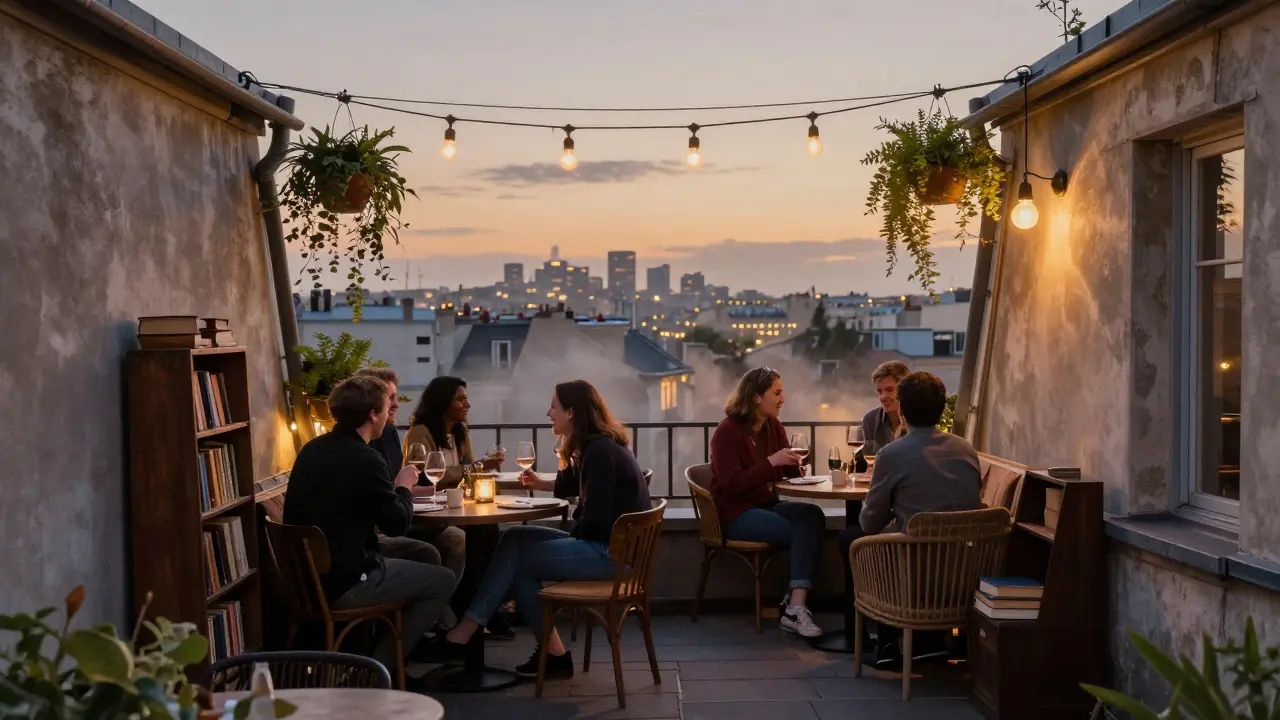
Paris wasn’t always about neon lights and bass-thumping clubs. A century ago, the city’s nights belonged to poets, painters, and jazz musicians spilling out of smoky basement venues in Montmartre. Today, you can sip natural wine in a hidden cellar in the 11th arrondissement, dance to techno in a repurposed slaughterhouse in the 13th, or sip champagne under string lights on a rooftop overlooking the Seine. The evolution of Paris nightlife isn’t just about where people go-it’s about who they are, what they value, and how the city keeps reinventing itself without losing its soul.
The Golden Age: Jazz, Cabarets, and Bohemian Nights
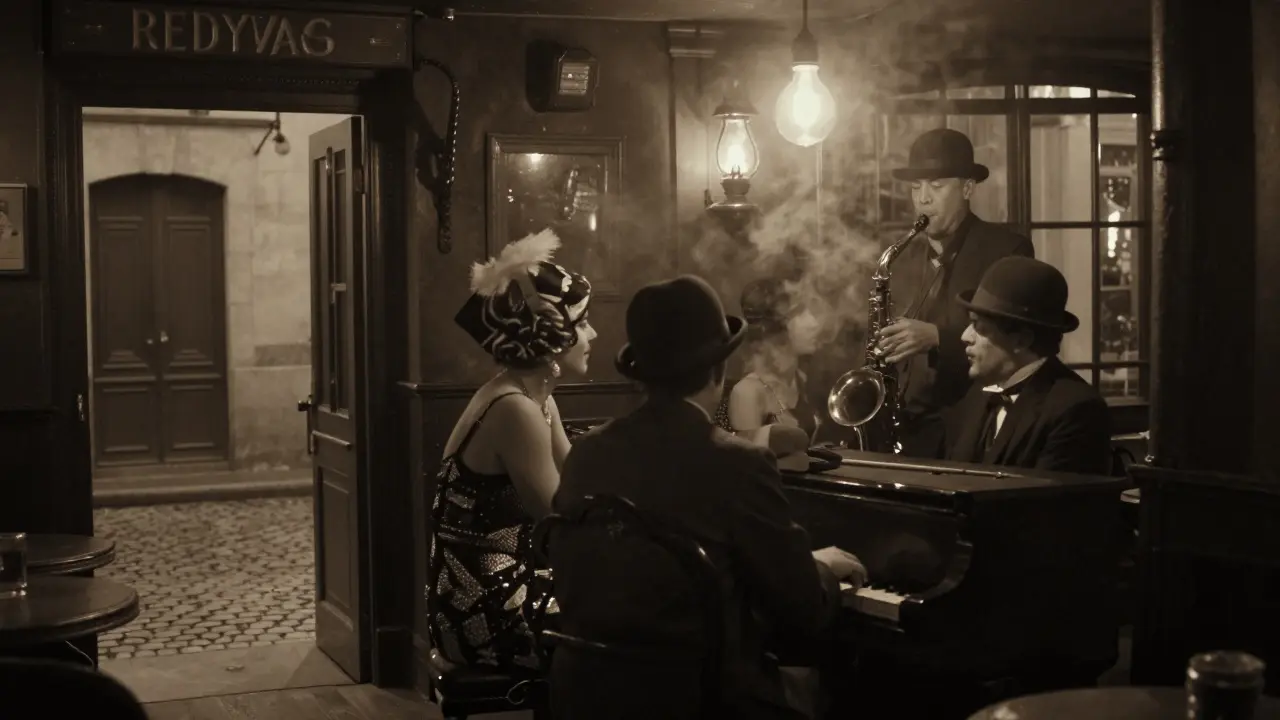
In the 1920s, Paris was the place where the world came to escape. American writers like Hemingway and Fitzgerald drank absinthe at La Closerie des Lilas. Josephine Baker danced barefoot at the Folies Bergère, turning scandal into art. Cabarets like Moulin Rouge and Le Chat Noir weren’t just entertainment-they were social leveling grounds. Wealthy patrons mixed with artists, prostitutes, and anarchists, all under the same flickering gas lamps.
Back then, nightlife wasn’t about exclusivity. It was about authenticity. You didn’t need a reservation. You just showed up, ordered a glass of cheap wine, and listened to the music that made your bones vibrate. The clubs didn’t advertise. Word of mouth kept them alive. A hidden door behind a bakery in Pigalle, a piano tucked into a backroom of a café near Place des Vosges-those were the spots that mattered.
The Decline: When the Lights Went Out
By the 1980s, Paris nightlife had started to fossilize. The city cracked down on late-night drinking. Curfews were enforced. Many underground venues shut down. Tourists flocked to the same five spots: Le Perchoir, L’Avant Comptoir, and the bars around Place des Vosges. The real magic had moved elsewhere. Young Parisians stopped going out. They stayed home. The city felt tired.
Then came the 2000s. The rise of digital culture changed everything. Social media made hidden spots public. Instagram influencers started posting about secret speakeasies. Suddenly, a bar with no sign and only 12 stools became the most talked-about place in town. But this also brought problems. Crowds grew. Prices jumped. Authenticity got packaged and sold.
The Rebirth: Underground Meets Innovation
Today’s Paris nightlife is a quiet revolution. It’s not loud. It’s not flashy. It’s thoughtful. In the 10th arrondissement, you’ll find Le Comptoir Général, a former colonial warehouse turned cultural hub. It’s part bar, part museum, part bookstore. No DJs. No cover charge. Just vinyl records, homemade cocktails, and conversations that last until sunrise.
In the 13th, La Bellevilloise-once a workers’ cooperative-now hosts experimental music nights. Artists from Senegal, Lebanon, and Brazil play live sets in a space that still smells like old wood and sweat. The crowd? Students, retirees, DJs, and immigrants-all dancing together. This isn’t a tourist attraction. It’s a community.
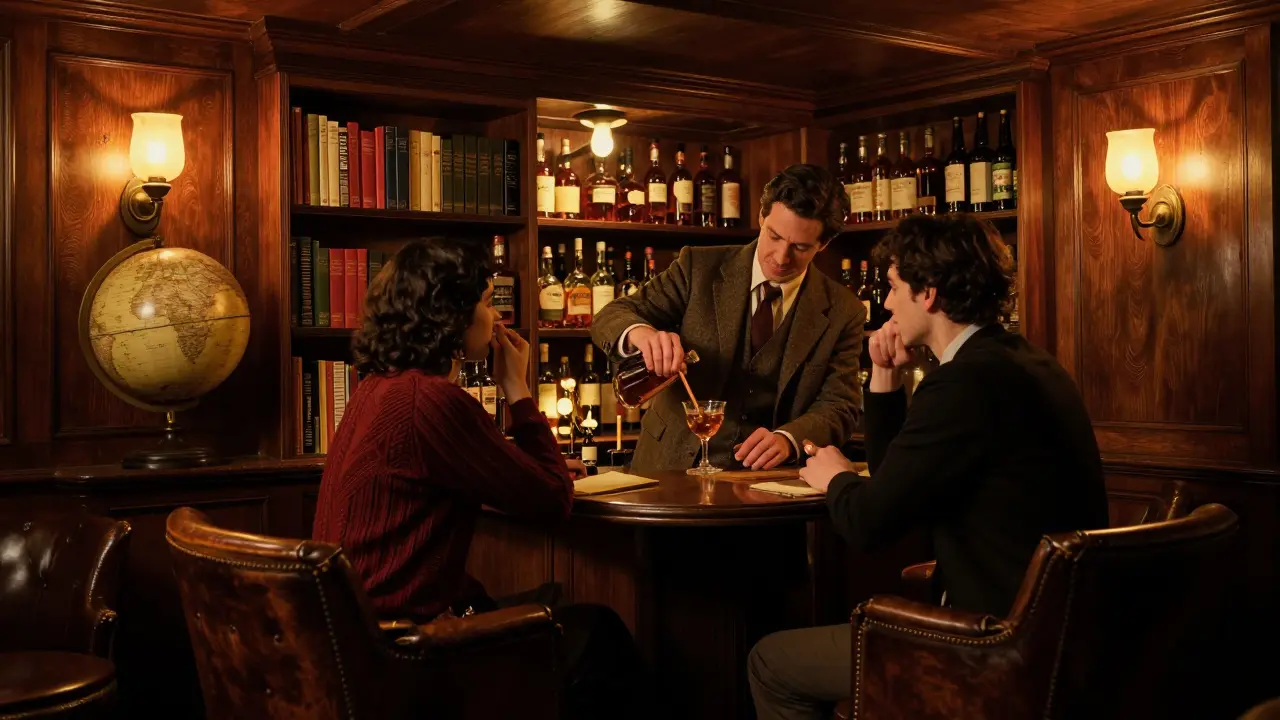
Even the traditional wine bars have changed. Instead of serving Bordeaux by the glass, owners now offer natural wines from small farms in the Loire Valley. Labels are handwritten. Bottles are unfiltered. Tasting notes are spoken, not printed. These aren’t just drinks-they’re stories.

Technology and the New Rules
Apps like Dojo and La Nuit now guide Parisians to pop-up events. A warehouse in the 18th might host a silent disco at midnight. A rooftop in the 20th might turn into a poetry slam at 2 a.m. These events don’t appear on Google Maps. You get invited. Or you stumble upon them.
Some venues use AI to curate playlists based on the crowd’s energy. Others use biometric sensors to adjust lighting and temperature in real time. But the best places still rely on human intuition. The bartender who remembers your name. The DJ who plays that one obscure track you whispered about last week.
What’s Different Now? The Shift in Values
Today’s Paris nightlife is shaped by three new priorities: sustainability, inclusivity, and slowness.
- Sustainability: No plastic straws. No single-use glasses. Bars use refillable bottles and compostable napkins. Some even grow their own herbs on the roof.
- Inclusivity: LGBTQ+ spaces are no longer niche-they’re central. Queer collectives run weekly events in former churches and abandoned train stations. Trans DJs headline major clubs. Gender-neutral bathrooms are standard, not rare.
- Slowness: People don’t want to rush from bar to bar. They want to linger. A night out now lasts six hours, not three. You sit. You talk. You taste. You breathe.
There’s no more “going out to party.” There’s only “going out to be present.”

The Future: Where Is Paris Nightlife Headed?
By 2030, Paris plans to make 100% of its nightlife venues carbon-neutral. Solar-powered stages are already being tested. Some bars are experimenting with zero-waste cocktails-using citrus peels turned into spirits, coffee grounds fermented into liqueurs.
Meanwhile, the city is quietly restoring old underground tunnels beneath the Seine for intimate, candlelit jazz nights. No phones allowed. No photos. Just music, silence, and the echo of footsteps on stone.
The real winners in this evolution aren’t the biggest clubs or the flashiest brands. They’re the small operators-the ones who still hand-write their menus, who pay their staff a living wage, who let you stay past closing if you’re still talking.
Paris nightlife doesn’t chase trends. It absorbs them. Then turns them into something quieter, deeper, and more human.
How to Experience It Today
If you want to feel the real pulse of Paris after dark, skip the guidebooks. Here’s what works:
- Go to a neighborhood you’ve never visited. Try the 19th or 20th arrondissement. Wander without a map.
- Look for places with no sign. If you need to ask someone how to get in, you’re on the right track.
- Ask the bartender what they’re drinking tonight. Not what’s on the menu. What they’re drinking.
- Stay past midnight. The real magic starts when the tourists leave.
- Don’t take photos. Just remember the sound of the music, the smell of the rain on the cobblestones, the way the light hit the wine in your glass.
Paris nightlife isn’t about seeing the city. It’s about becoming part of it, even if just for one night.
Is Paris nightlife safe at night?
Yes, Paris is generally safe at night, especially in central neighborhoods like Le Marais, Saint-Germain, and the 11th and 12th arrondissements. Stick to well-lit streets, avoid isolated alleys after 2 a.m., and be cautious in areas like La Chapelle or the northern edges of the 18th if you’re unfamiliar. Most bars and clubs have security, and public transport runs late. The biggest risk is pickpockets in crowded spots-keep your phone and wallet secure.
What’s the best time to go out in Paris?
Parisians don’t start going out until after 10 p.m. Most bars fill up around 11 p.m., and clubs don’t get busy until midnight or later. If you want to experience the real rhythm, arrive between 11:30 p.m. and 1 a.m. That’s when the local crowd arrives, the music shifts, and the energy changes. Early birds get a quiet drink. Latecomers get the party.
Do I need to make reservations for Paris bars?
For popular spots like Le Comptoir Général or Le Baron, yes-especially on weekends. But for most local bars, no. Walk in. If it’s full, wait five minutes. Someone will leave. If you’re turned away, that’s a sign you’re in the right place. The best venues aren’t trying to fill every seat-they’re trying to keep the vibe alive.
Are there any dress codes in Paris nightclubs?
Most clubs in Paris don’t have strict dress codes anymore. You won’t be turned away for wearing sneakers or a hoodie. But if you’re going to a high-end rooftop or a trendy lounge in Saint-Germain, smart casual works best-no flip-flops, no sportswear. The rule is simple: look like you care, not like you’re trying too hard.
What’s the average cost of a night out in Paris?
A cocktail at a local bar costs €8-€12. At a trendy spot, it’s €14-€18. Entry to clubs ranges from €10-€25, depending on the night and event. Many venues don’t charge cover at all. If you stick to neighborhood bars and skip the tourist traps, you can have a full night out for under €40. Wine by the glass is often cheaper than beer.
If you want to know where Paris nightlife is headed, watch the quiet places. The ones without signs. The ones where the bartender knows your name. That’s where the future is already happening.