Best Nightlife in Milan: Where to Party Like a Local
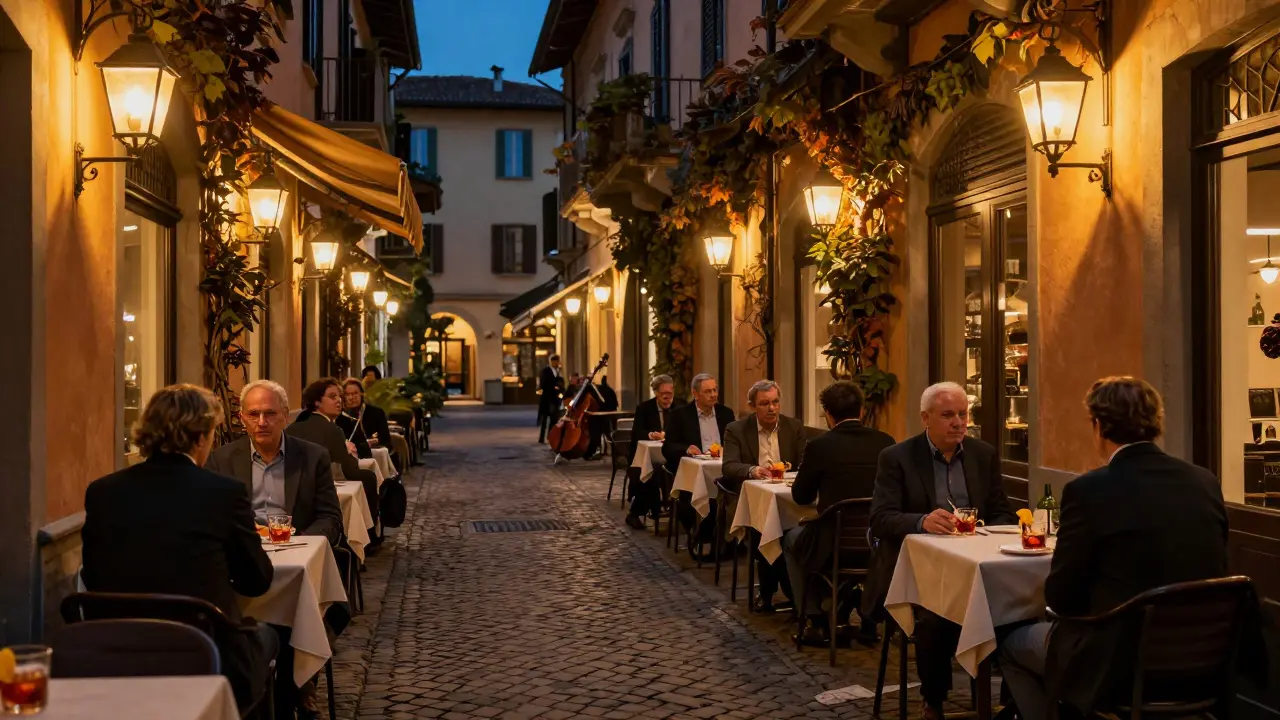
Milan doesn’t sleep. Not really. By 10 p.m., the city’s fashion crowds are just getting warmed up. By 2 a.m., the bass is thumping in hidden courtyards and rooftop lounges where locals dance like no one’s watching - even though everyone is. If you think Milan is all about designer suits and quiet espresso bars, you’re missing the real heartbeat of the city. The nightlife here isn’t flashy in the Vegas sense. It’s raw, stylish, and deeply Italian - where the party starts late, lasts until dawn, and feels like you’ve been invited into someone’s secret.
Start with Aperitivo - It’s Not Just a Drink
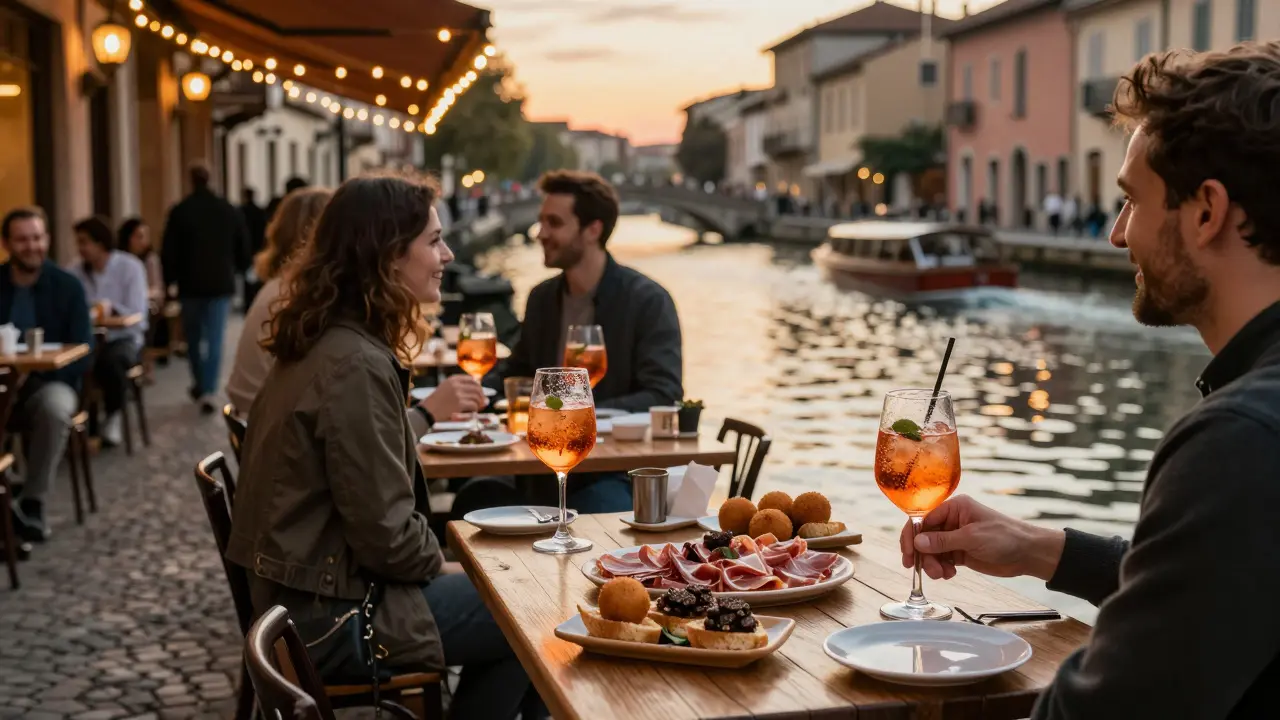
You can’t talk about Milan nightlife without starting with aperitivo. It’s not happy hour. It’s a ritual. Between 6 and 9 p.m., bars across the city flip the switch. A drink - usually a Spritz, Negroni, or Aperol - comes with a full buffet. Think cured meats, truffle crostini, arancini, and even hot pasta on busy nights. The best spots? Terrazza Aperol in Porta Venezia and Bar Basso near the Duomo. Both have been doing this for decades. At Bar Basso, you’ll find the birthplace of the Negroni Sbagliato. Order one. Sit outside. Watch the city change from work mode to play mode.
This isn’t just free food. It’s how Milanese socialize. You don’t pay for dinner. You pay for the drink, and the spread is yours. Locals come here after work, linger for hours, and then head to the clubs later. Skip the tourist traps near the cathedral. Head to Navigli, Porta Ticinese, or Brera. That’s where the real aperitivo game is.
Navigli: Canals, Cocktails, and Late-Night Beats
By 11 p.m., Navigli transforms. The canals that look peaceful by day turn into a pulsing corridor of music, laughter, and glowing lanterns. This is where Milan’s young creatives, artists, and expats gather. Bars spill onto the sidewalks. Some have live jazz. Others blast house or indie rock. La Bicocca is a favorite for its outdoor patio and cheap cocktails. Bar Luce, inspired by Wes Anderson’s film style, feels like stepping into a dream.
Don’t miss Boat Bar - a floating bar on the canal. Grab a seat, sip a gin and tonic, and let the city float by. Around 1 a.m., the crowd shifts to La Banda, a warehouse-turned-club with no sign, no bouncer, just a flickering red light. You need a friend to get in. That’s the point. It’s not about being seen. It’s about being part of something real.
Porta Ticinese: The Underground Pulse
If you want to feel like you’ve found a hidden world, head to Porta Ticinese. This neighborhood is where Milan’s alternative scene lives. Think graffiti-covered walls, vinyl shops, and basement clubs that don’t open until midnight. Capo d’Africa is a legendary spot - a former slaughterhouse turned cultural hub. They host live bands, DJ sets, and art exhibitions. The vibe? Raw, loud, and unfiltered.
Just around the corner, Bar Loco serves craft beer and has a backroom where DJs spin techno until 5 a.m. No VIP list. No cover charge before 1 a.m. Locals know this place because it doesn’t advertise. You’ll find students, designers, and musicians all dancing in the same sweaty room. If you’re looking for Milan’s underground soul, this is it.

Brera: Sophisticated, But Still Wild
Brera is where Milan’s elite unwind after dinner. Think dim lighting, velvet booths, and cocktails that cost €18 but taste like liquid gold. Bar Basso is here too - but this time, it’s the after-party spot. La Permanente is another gem. It’s a bar inside an old art gallery. The walls are covered in vintage posters. The music? Jazz, soul, or deep house depending on the night.
At Il Salumaio, you can order a glass of Barolo and a plate of handmade salami while listening to a live pianist. It’s classy, but not stiff. By 1 a.m., the crowd is dancing. By 3 a.m., the staff is laughing with you. This isn’t a club. It’s a living room with better drinks.
Clubs That Actually Matter
Most of Milan’s best clubs don’t have neon signs. They don’t need them. La Scala isn’t the opera house - it’s a warehouse club under the train tracks. It’s open only on weekends, and you need to RSVP. The sound system? One of the best in Europe. The crowd? Mostly Italians under 30 who care more about the music than the brand on their shirt.
Magazzini Generali is another heavyweight. Formerly a warehouse for the city’s food supply, it now hosts international DJs and experimental electronic acts. Tickets sell out fast. But if you’re in Milan on a Friday or Saturday, show up early. Lines form by 11 p.m. The music doesn’t start until 1 a.m. - and it doesn’t stop until sunrise.
And then there’s Ex Dogana. Located in a converted customs building, it’s the go-to for techno purists. The lighting is minimal. The bass is deep. The crowd? Quiet until the beat drops - then they move like one body. No phones out. No selfies. Just music, sweat, and connection.
What to Avoid
There are places that look like clubs but aren’t. Avoid the ones near Piazza del Duomo with bouncers in suits and €40 cover charges. These are tourist traps. They play Top 40 hits, charge €20 for a beer, and make you wait in line for an hour. You’ll leave tired, broke, and disappointed.
Same goes for “VIP lounges” that promise bottle service. In Milan, VIP means you know the DJ. Not that you paid extra. If a club asks for your passport or demands a minimum spend, walk away. The real scene doesn’t need that.

When to Go and How to Dress
Don’t show up before 11 p.m. Milan doesn’t start partying until then. Most clubs don’t fill up until after midnight. The peak? 2 a.m. to 4 a.m. That’s when the energy hits its peak.
Dress code? Smart casual. No sneakers. No baseball caps. No shorts. Italians dress to impress - even if they’re dancing in a basement. Think dark jeans, a nice shirt, leather boots. Women wear dresses or tailored pants. You don’t need a suit. But you do need to look like you care.
And don’t forget cash. Many clubs don’t take cards after midnight. Bring €20-30. You’ll need it for drinks, tips, and maybe a taxi home.
How to Get Around
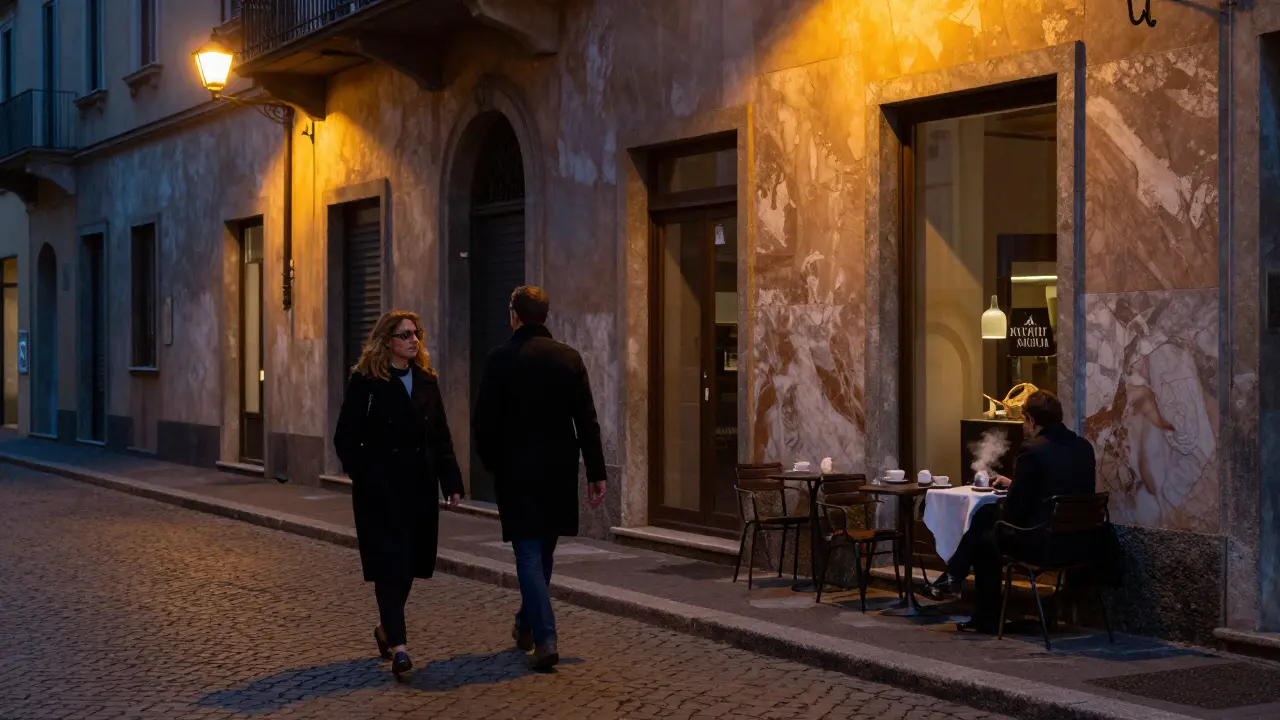
Milan’s metro shuts down at 1:30 a.m. After that, you’re on your own. Taxis are expensive. Uber is unreliable. The best move? Walk. Most hotspots are within 20 minutes of each other. Navigli to Porta Ticinese? 15-minute stroll. Brera to La Scala? 10 minutes. The city is compact. And walking is part of the experience.
If you’re too tired? Use the night bus - N1, N2, N3. They run every 20 minutes until 5 a.m. Keep your phone charged. Know your stop. And don’t get distracted by the music drifting from open windows.
Final Tip: Talk to Locals
Don’t rely on apps or blogs. Ask someone at the bar. “Where do you go after this?” That’s your golden question. Nine times out of ten, they’ll point you to a place you’ll never find on Google. Maybe it’s a rooftop with no name. Maybe it’s a friend’s apartment with a turntable. That’s Milan. The best nights aren’t planned. They’re discovered.
What time do clubs in Milan usually open?
Most clubs in Milan don’t open until 1 a.m., and the real energy doesn’t kick in until 2 a.m. Bars and aperitivo spots start earlier - around 6 p.m. - but the dance floors fill up after midnight. Don’t show up before 11 p.m. unless you want to sit alone.
Is Milan nightlife expensive?
It depends. Aperitivo drinks with food cost €12-18. Drinks in clubs range from €10 to €18. Cover charges are rare at underground spots, but popular clubs like Magazzini Generali may charge €15-25. Avoid tourist areas - they overcharge for watered-down drinks. Stick to local favorites for real value.
Can I go out alone in Milan at night?
Yes, but not everywhere. The city is generally safe, especially in popular nightlife zones like Navigli, Brera, and Porta Ticinese. Avoid isolated streets after 3 a.m. Stick to busy areas. Locals are friendly, and many bars welcome solo visitors. Just be aware of your surroundings and trust your gut.
Do I need to speak Italian to enjoy Milan nightlife?
No, but it helps. Most bartenders and club staff speak English, especially in tourist areas. But if you ask for a recommendation in Italian - “Dove vai dopo?” - you’ll get a better answer. Even a simple “Grazie” goes a long way. Locals appreciate the effort.
What’s the dress code for Milan clubs?
Smart casual. No sneakers, no shorts, no hoodies. Men: dark jeans, button-down shirt, leather shoes. Women: dresses, tailored pants, heels or stylish boots. You don’t need a suit, but you should look intentional. Italians notice what you wear - even in a basement club.